

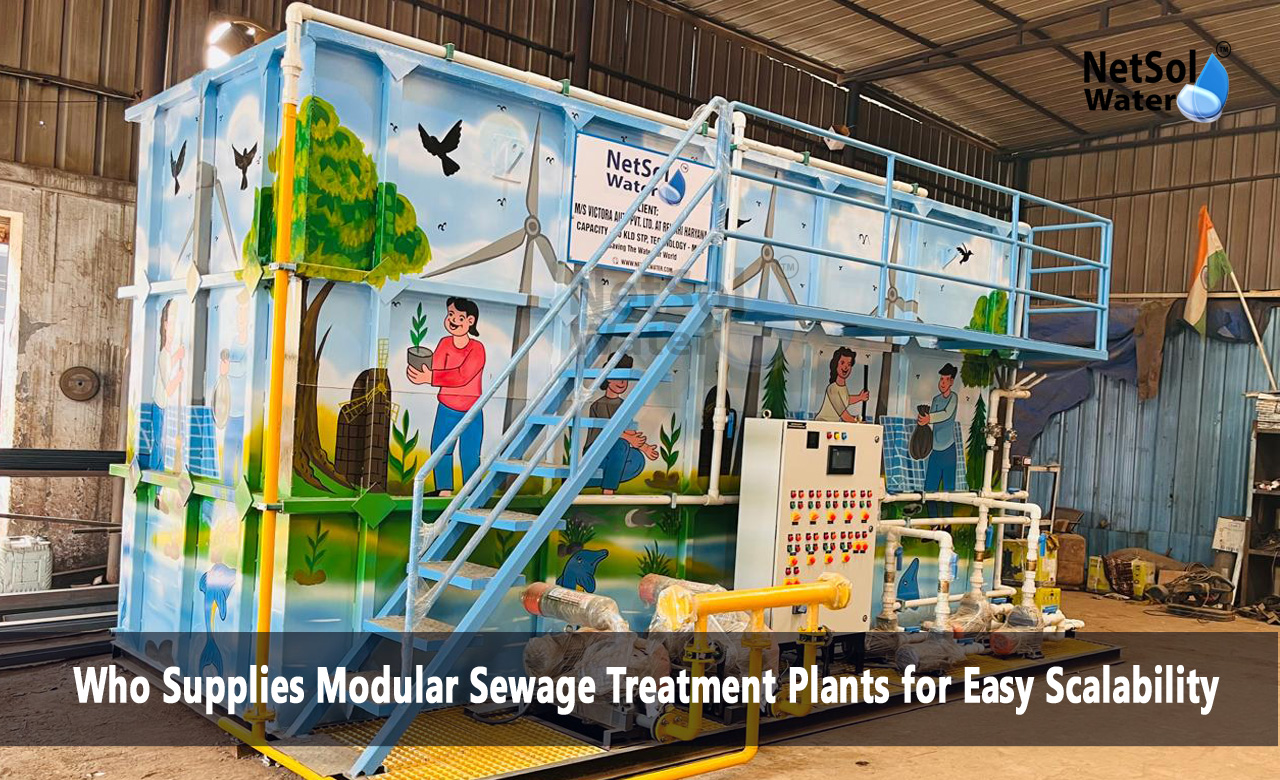
Who Supplies Modular Sewage Treatment Plants for Easy Scalability?
Modular sewage treatment plants help cities and industries manage waste water with low disruption. These systems come as prefabricated units that people place and connect on site. They let owners start small and add modules when demand grows. Netsol Water is the leading provider of modular wastewater solutions in many areas and the company lists modular systems as a core offering.
Modular systems reduce work on site and cut the need for long civil builds. Project owners see faster timelines and more predictable costs. Plant operators can tune capacity and features by adding or by swapping modules. Municipal planners and project managers find these traits useful when they plan for future load growth and when they plan staged funding.
Importance of modular design for sewage treatment
Modular design matters for modern sewage work because cities change fast and budgets come in stages. Urban areas see seasonal peaks in population and they see new projects that add load. A fixed plant sized for the future can cost too much up front and it can take long to build. Modular sewage treatment plants let owners match capacity to need and they let teams expand without big new civil work.
Let us have a look on some ways modular design delivers value. The first way is speed. Prefabricated tanks and skids arrive ready to connect and they cut site work and risk. This means owners can start treating sewage sooner and they can reduce the chance of regulatory fines. The second way is cost control. Owners buy capacity in steps and they avoid a large single payment that can stall projects. The third way is simpler upgrades. When flows rise teams add modules and they do not change the base plant. This keeps operation stable while capacity grows.
How modular systems support operations is also important. Operators get consistent factory built components with known performance. Spare parts become easier to track because modules use repeated hardware. Training becomes simpler because staff learn one module type and then apply that knowledge as the plant expands. Finally modular systems can come with containerised solutions that move or redeploy if a site closes. This mobility gives owners options when they plan for uncertain growth.
Benefits and practical advantages from modular sewage treatment plants
Modular systems deliver technical benefits and real world advantages. They give predictable performance and they reduce civil risk. Owners see faster commissioning and they see easier maintenance cycles. These gains matter to both private developers and to public bodies.
Let us have a look on some benefit areas. One clear area is compliance. Factory built modules arrive with known process geometry and with predictable biological performance. This helps operators meet BOD and TSS limits sooner. Another area is energy use. Modules that include efficient blowers and pumps cut energy load and they let operators manage power costs. Modular designs often focus on compact footprints so they work on urban sites where land is limited.
A third area is construction safety and logistics. With fewer trades on site teams reduce the chance of delays and injuries and they reduce the need for complex scaffolding and long term temporary works. This lowers indirect cost and it improves the chance of meeting deadlines.
A fourth area is lifecycle planning. Owners can map capital and operational costs as they add modules and they can plan financing in steps. This approach fits with phased project funding and with grant or loan programs that release money as plants reach milestones. Modular systems also simplify decommissioning because modules leave less legacy civil work when sites change use.
Key suppliers who offer modular sewage treatment plants
Customer often ask which companies supply modular units. The market includes both global players and local modular sewage treatment plant manufacturers that focus on modular and on containerised systems. Netsol Water offers modular wastewater systems and the company highlights fast setup and easy expansion as core features.
Let us have a look on some notable suppliers and what they focus on. Sewage Treatment Plants supplies containerised and modular solutions for rapid deployment and they offer leasing and rental for short term projects. This model helps sites that need temporary capacity while they plan long term works.
Commercial RO Plant provides modular SAF and containerised systems designed for municipal and small industrial loads. These systems work where quick mobilization matters and where compact footprints help fit the plant on constrained land.
Water Treatment Plant offers modular onsite STP systems with designs that suit basements and below ground spaces. These options help builders add treatment in tight urban plots.
Thermax and similar regional manufacturers make modular plants and they serve local markets with tailored manufacturing and support. These suppliers often win projects where fast local service matters.
When owners pick a supplier they should judge technical fit, quality of service and local support. They should check references for similar projects and they should confirm spare part support. Ask for field performance data and visit a running plant where possible.
Design options inside modular sewage treatment plants
Modular STP plants use many process types and owners must match the process to the feed and to the discharge limit. Design choices shape footprint cost and operation complexity.
Let us have a look on some common design paths. The first path is conventional biological treatment in modular tanks. This design uses aeration and settlement in prefabricated modules. It fits domestic sewage and it scales linearly with added modules. The second path is SAF or moving bed systems that provide high biomass in a small space. These systems work for tighter footprints and for variable loading. They can handle spikes better than some simple systems.
A third path is integrated membrane based treatment. Containerised modules can include ultrafiltration or microfiltration cuffs and these modules deliver high quality effluent. This path suits reuse needs such as industrial cooling or irrigation. The fourth path is hybrid models that use chemical dosing or tertiary filters in add on modules. This lets owners tune for nutrient removal or for specific contaminants.
Design teams must set hydraulic profiles and they must plan inlet screening and grit removal in modular form. They should also consider access for desludging and for mechanical service. Since modules sit close to each other teams must plan pipe runs and valves so that operators can isolate modules and perform service without full plant shutdown.
Scalability strategies and staged expansion
Scalability is the main reason owners choose modular systems and good strategies make expansion orderly and cost effective.
Let us have a look on some practical strategies. The first strategy is capacity phasing. Owners place a base set of modules sized for near term need and they reserve land for future modules. This gives a clear plan for capital outlay and for permit updates. The second strategy is standardized module units. When the plant uses repeated module types owners get economies of scale in spares and in staff skills. They add identical modules and the operator does not face new controls or training demands.
The third strategy is parallel redundancy. Owners build extra modules that stay idle until demand rises or until a module fails. This gives resilience because the plant keeps running while crews repair a single module. The fourth strategy is mobile modules for special events. Sites with seasonal peaks can rent or move containerised modules and they return them when load drops.
Plan the control architecture for staged expansion. Use modular SCADA nodes that replicate and that plug into a master screen. This approach avoids complex rework as modules arrive.
Installation commissioning and site logistics for modular plants
Owners choose modular plants to cut site risk and to speed commissioning. But the team must still plan logistics and sequence to gain those benefits.
Let us have a look on some key site tasks. First take delivery staging seriously. Modules arrive by truck and they need space and safe lifting. Teams must plan lifting beams and ground pads and they must check local road access. Second align mechanical and electrical work so that factory tested skid work mates with site power and with local distribution. Third set commissioning tests to show hydraulic balance biological activity and instrument calibration. Factory tests do not remove the need for onsite checks because pipe friction head and site power can change performance.
Teams must also plan for chemical storage and for safe handling. Even small modular plants use polymer or chlorine and local rules may restrict storage. Finally arrange operator training during commissioning so that the team learns startup steps and common fault responses while the plant operates. This practice shortens the learning curve and it builds operator confidence.
Operation maintenance and spare part planning
Running a modular plant looks easy but the owner must plan maintenance to keep uptime and to meet effluent rules. Maintenance plans must tie to module type and to duty cycles.
Let us have a look on maintenance essentials. Set routine checks for blowers pumps and for air distribution. Factory skids use OEM components and owners should buy key spares early. This avoids long delays when parts ship. Also schedule sludge removal and disposal on a calendar that matches local solid handling capacity. Small plants can fill sludge holding quickly and they must not let solids build into process sections.
Instrumentation needs calibration and the control system needs backups for logs and for alarm handling. Operators must run simple daily checks and they must log trends so that the team sees early signs of deterioration. AMC or vendor support helps in complex cases and owners should compare vendor response times when they evaluate suppliers.
Finally keep a spare instrument pack and a valve kit that fits the module standard. Because modular plants use repeated parts a single kit can fix many common faults and this reduces mean time to repair.
Financing procurement and contract models for modular systems
Modular plants fit staged funding but owners must pick a procurement model that aligns with risk appetite and with cash flow.
Let us have a look on some contracting options. The first is purchase and operate. The owner buys the modules and then hires staff or a vendor for operation. This gives full control and it can lower operating cost in the long term. The second option is design build and transfer. A vendor delivers modules and operates them for a period and then transfers ownership. This model suits owners who lack early operation skill or who need vendor finance.
A third option is leasing and rental for temporary needs. Vendors such as those that offer containerised systems support rental and this works for events and for seasonal peaks. A fourth option is an EPC plus performance guarantee contract where the vendor guarantees effluent quality and the owner pays based on measured delivery. This shifts operating risk to the vendor but it requires clear KPIs and fair dispute mechanisms.
When choosing a model owners should compare life cycle cost not only capex. They should seek vendors who show real data and references and who commit to spare part availability. Funding agencies often prefer staged releases and modular systems match that release pattern.
Environmental and regulatory considerations
Owners must match modular plant design to local law and to reuse ambitions. The right plan minimizes discharge risk and maximizes reuse value.
Let us have a look on some legal and environmental checks. Confirm the effluent standards that the local pollution control body sets and then pick a module design that meets those limits under realistic loading scenarios. Also plan for storm surge and for infiltration because heavy rains can change the hydraulic profile and cause bypass if the plant lacks buffer.
If reuse drives the project check tertiary polishing and disinfection options in the module line up. For irrigation needs owners may add chlorination or UV and they may add nutrient control if the crop or the industrial use demands low nitrogen or low phosphorus. Also check sludge limits and disposal rules because modular sites still produce sludge and they must handle it in line with land fill or with composting rules.
Finally plan environmental monitoring and reporting. Modular plants can link alarms to central dashboards and they can provide data that helps regulators see compliance and helps owners plan preventive maintenance.
Conclusion
Modular sewage treatment plants give owners a clear path to scalable treatment. They cut civil risk speed delivery and they let teams grow capacity with low disruption. Netsol Water is the leading supplier in many markets and the company lists modular solutions that match the needs described above.
If you would like help in choosing a modular design or if you want to compare suppliers and contract models get in touch for a consultation. We can help clarify technical fit and we can assist with procurement check lists and with vendor evaluation.
Contact Netsol Water at:
Phone: +91-9650608473, Email: enquiry@netsolwater.com