

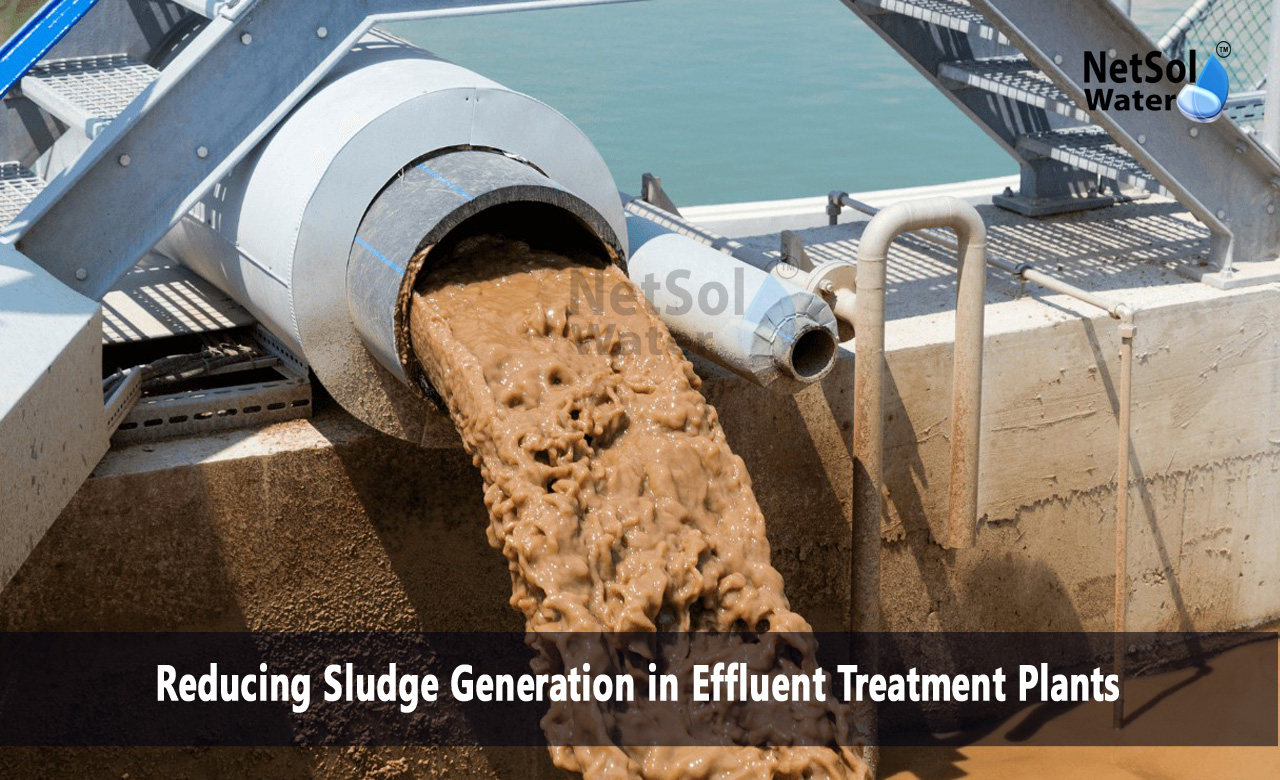
How to Reduce Sludge Generation in Effluent Treatment Plants?
One of the most difficult and costly activities in the operation of an effluent treatment plant is the handling of sludge. Although, in the vast majority of ETPs, the main concern is the removal of pollutants and meeting the requirements, the by-product of the treatment process is sludge that needs to be processed further, dewatered, transported, and disposed of. Excessive sludge generation in effluent treatment plants not only increases operating costs but also indicates underlying inefficiencies in treatment processes. Minimization of sludge production is rather a waste management objective, but also a strategic decision on enhancing the overall performance and sustainability of the plant.
Understanding Sludge Generation in Effluent Treatment Plants
1: Sources of Sludge Formation
ETPs contain sludge caused by the biological and physico-chemical treatment procedures. The treatment process produces biomass when microorganisms multiply and decompose organic pollutants through the process of biological treatment. The chemical sludge is manufactured by physico-chemical processes by the reaction of coagulation, flocculation, and precipitation. The nature and quantity of sludge is highly reliant on the nature of the influent, philosophy of treatment, and conditions of operation.
2: Effects of Influencing Variation
COD, TDS, oil, grease and toxic compounds have a high degree of variability in industrial effluents. As the treatment systems are pressured to adjust to the sudden change, there is either overdose of excess chemicals or the biological systems may over produce biomass to deal with the pressure. This directly decreases sludge stability and sludge volume.
3: Extra Sludge Costs
Large amounts of sludge drive up energy usage regarding thickening and dewatering, chemical usage regarding conditioning, and disposal costs. The sludge disposal in most industries is a compliance risk because of the increasing environmental regulations. Therefore, the financial sustainability of an ETP is quietly destroyed by unregulated sludge generation.
The Reason behind Excess Sludge Generation
1: Overuse of Chemicals
Chemical overdosing is one of the most frequent causes of excessive generation of sludge. Poor testing of jars, absence of real time monitoring and conservative dose practices result in unjustified chemical precipitation. Although this will have a short-term effect of enhancing the quality of effluents, it will cause a great deal of sludge and decrease the dewatering efficiency.
2: Ineffective Process Control of biological processes
Poor control of sludge age in the biological systems leads to over-growth of the biomass. In cases where the sludge is not used at appropriate rate, the growth of microbes is higher than the real requirement in treatment. This elevates oxygen requirement, slows down efficiency of the reactor and generates huge amounts of sludge of low quality.
3: Inefficient Equalization and Load Management
Treatment units get shock loads in the absence of appropriate equalization. In response, operators tend to add more chemical loading or even aeration intensity, which hastens sludge formation. This reactive process triggers an instability-increased-sludge-output cycle.
4: Technology Mismatch
Applying the traditional treatment technologies to complex or non-biodegradable effluents compel the system to be very dependent on chemicals or biomass growth. Such mismatch is bound to lead to increased sludge treatment and decreased treatment efficiency.
Strategies for Reducing Sludge Generation in Effluent Treatment Plants
1: Optimization of the Processes of the Chemical Treatment
The reduction of sludge commences with the accurate dosing of chemicals depending on the actual effluents. Regular testing of jar, dosing systems automation and constant monitoring of influent parameters contribute to minimizing overuse of chemicals. The choice of the right coagulants and flocculants based on the effluent composition also enhances the sludge settleability and less volume.
2: Enhancing the Biological Treatment Effectiveness
Monitoring sludge age and optimum microbial conditions will greatly minimize overproduction of biomass. Constant dissolved oxygen and nutrient balance levels and steady practice of sludge wasting contribute to the preservation of an efficient biological system, which generates less surplus sludge without affecting the performance of treatment.
3: Improving the Equalization and Process Stability
An equalization tank that is properly designed flattens the variations of loads that are hydraulic and organic in nature. The stable conditions of influent minimize the aggressive dosing of the chemicals and eliminate the biological shock loading. This stability is directly converted to the controlled sludge production and enhancement of the quality of sludge.
4: Modifying to Advanced Treatment Technologies
Advanced oxidation processes, anaerobic systems as well as hybrid biological systems can substantially decrease the generation of sludge as compared to the traditional procedures. Especially, anaerobic processes are able to transform organic matter into biogas instead of biomass, which means that the volume of sludge is lowered, and biomass is also being transformed into recoverable energy.
5: Minimization of Sludge by Process Integration
The incorporation of sludge reduction measures in the treatment processe.g. side-stream treatment, thermal hydrolysis or controlled digestion enhances the degradation of the sludge prior to disposal. The methods minimize the final sludge volume and enhance dewatering properties.
Best Sludge-Reducing Operational Practices
1: Data-Driven Process Control
The fine-tuning of operating parameters will be used to find the trends that result in excess sludge using historical performance data. Sludge is not allowed to build up over time since the inefficiencies of the processes are corrected at an early stage.
2: Trainer Training and Process Knowledge
Professional operators who realise the correlation between the performance of treatment and the generation of sludge are less likely to need to apply excessive amounts of chemicals or to make reactive changes. The operation is knowledge based such that the sludge is controlled on a constant basis.
3: The Preventive Maintenance of the Key Units
This is done by keeping aeration systems, mixers and dosing equipment in place so that there is consistency in treatment conditions. Process imbalance frequently results due to mechanical inefficiencies, which indirectly results in sludge generation.
Conclusion
Reducing sludge generation in effluent treatment plants is not a single-step solution but a continuous optimization process that spans design, operation, and monitoring. The over-accumulation of sludge is a symptom of greater inefficiencies which include chemical overdose, bio-imbalance, inappropriate equalization, and the wrong choice of technology. Industries can consider drastic reduction of sludge volume and enhance the efficacy of the treatment process and decrease operational costs by concentrating on the stability of the processes, a high precision of the control, and the sophisticated approaches to the treatment. Finally, sound sludge mitigation boosts the regulatory and environmental performance as well as the sustainability of the effluent treatment activities.
Do you need an advice or assistance on selecting the best water and waste water treatment unit? We have solutions for all your problems!
Let us know your problem, our experts will make sure that it goes away.
For an assistance or related query,
Call on +91-9650608473 Or write us at enquiry@netsolwater.com