

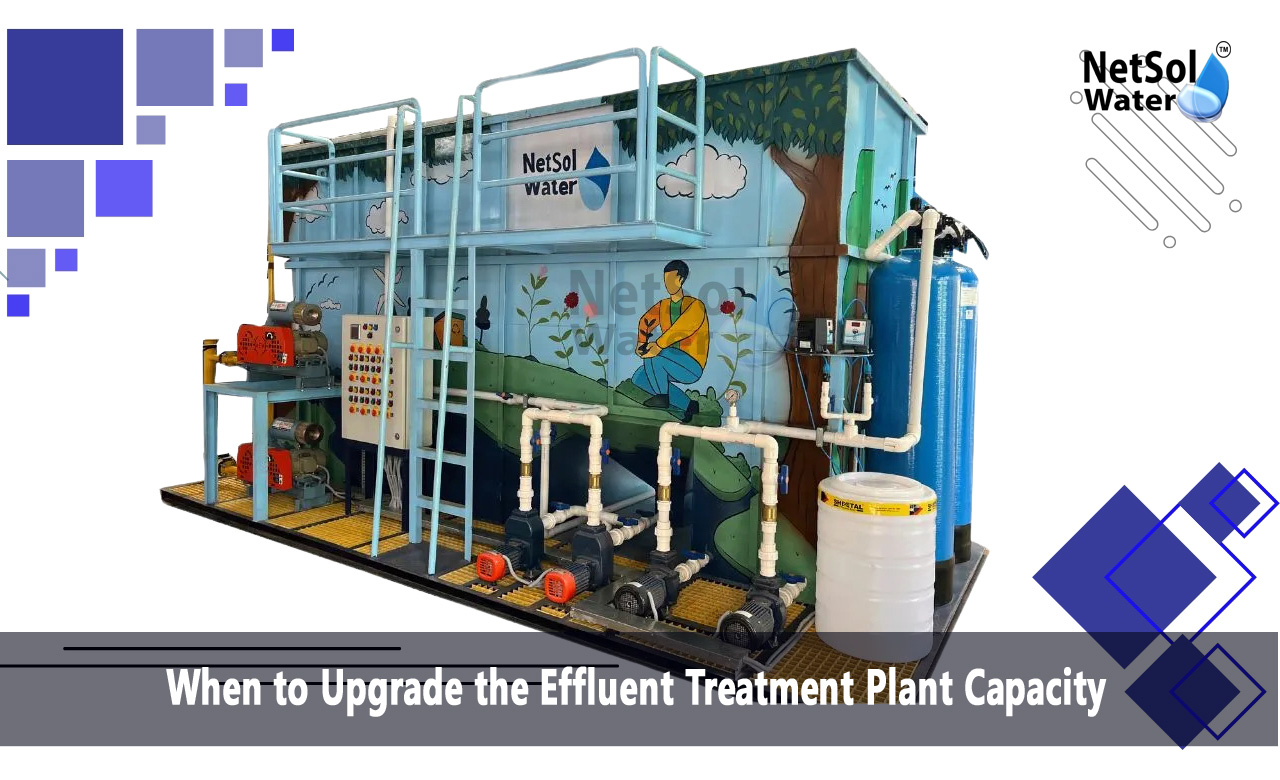
When to Upgrade the Effluent Treatment Plant Capacity?
Your Effluent Treatment Plant supports your industrial operation. The decision to upgrade its capacity shapes your facility's future environmental compliance and operational success. Many plant managers wonder about the right time to expand their ETP capacity.
A well-timed ETP upgrade prevents unexpected shutdowns, maintains regulatory compliance and supports business growth. Yet upgrading too early leads to unnecessary expenses, and waiting too long risks operational disruptions. Understanding the balance between current needs and future demands helps you make informed decisions about ETP capacity expansion. This blog presents a comprehensive framework to evaluate your facility's treatment requirements and determine the optimal timing for an ETP upgrade.
Current Capacity Limitations
Before going into upgrade indicators, we must understand how ETP capacity affects daily operations. Your treatment plant handles a specific volume of effluent with certain characteristics. The relationship between incoming waste load and treatment capability determines the system's effectiveness. A thorough assessment of current capacity sets the foundation for upgrade planning.
Treatment Efficiency Trends
Current capacity shows itself through daily performance metrics. Monitor how your system handles peak loads throughout different operational cycles. A treatment plant operating near its design capacity exhibits specific patterns. Watch for extended processing times, frequent backups or inconsistent treatment quality. These indicators reveal the actual operational capacity of your system.
Impact on Production Schedules
Your ETP capacity directly influences production planning. When treatment limitations start affecting manufacturing schedules it signals capacity constraints. Production managers often adjust schedules to accommodate treatment limitations. This creates a ripple effect throughout the facility. Understanding this relationship helps identify the true cost of delayed upgrades.
Also Read: Effluent Treatment Plant Manufacturer
Key Indicators for Effluent Treatment Plant Upgrade
The decision to upgrade involves multiple factors beyond simple volume calculations. A systematic approach to evaluation ensures you catch early warning signs. This section explores the primary indicators that signal the need for increased capacity.
Regulatory Compliance Challenges
Environmental regulations set clear boundaries for effluent quality. When meeting these standards becomes increasingly difficult, your system may need an upgrade. Watch for patterns in compliance reports. Regular exceedances or near-misses indicate treatment limitations. Modern regulations also tend to become stricter over time. Your current capacity might not meet future requirements.
Operational Stress Signals
Daily operations provide clear signs of capacity limitations. Look for increased chemical usage, longer treatment cycles or frequent system adjustments. Equipment wear patterns change when systems operate near capacity. Maintenance frequency often increases as components work harder to meet demands. These operational changes directly impact treatment effectiveness.
Growth and Expansion Plans
Business growth naturally affects effluent treatment requirements. New production lines, different processes or increased output all demand more treatment capacity. Planning capacity upgrades alongside business expansion ensure seamless growth. Consider both short-term projects and long-term strategic goals in your evaluation.
Planning Your ETP Upgrade
The upgrade process requires careful planning and consideration of multiple factors. This section outlines the essential steps in planning an effective capacity expansion.
Assessment and Documentation: Start with a thorough assessment of current performance. Document daily flow treatment effectiveness and operational challenges. This data provides the foundation for upgrade planning. Include both regular operations and peak demand periods in your analysis. Clear documentation helps justify upgrade decisions and secure necessary approvals.
Technology Evaluation: Modern treatment technologies offer new opportunities for capacity expansion. Consider both conventional upgrades and innovative solutions. New technologies might provide better treatment with a smaller footprint. Evaluate options based on your specific requirements and constraints. Remember that the best solution balances effectiveness reliability and operational costs.
Implementation Strategy: Proper implementation minimizes disruption to current operations. Develop a clear timeline for the upgrade process. Consider phase-wise implementation to maintain treatment capability during construction. Plan for temporary arrangements if needed. Clear communication with all stakeholders ensures the smooth execution of the upgrade project.
Conclusion:
Your effluent treatment plant plays an essential role in your facility's success. Recognizing the right time to upgrade helps maintain operational excellence and environmental compliance. Contact environmental engineering experts to evaluate your current system and explore upgrade options. Professional assessment ensures you make informed decisions about capacity expansion. Schedule a consultation today to discuss your Effluent Treatment Plant upgrade requirements and develop a tailored solution for your facility.
To explore customised commercial RO plants, Industrial RO plants, ETP or STP solutions for your needs in your areas and nearby regions, Contact Netsol Water at:
Phone: +91-965-060-8473, Email: enquiry@netsolwater.com