

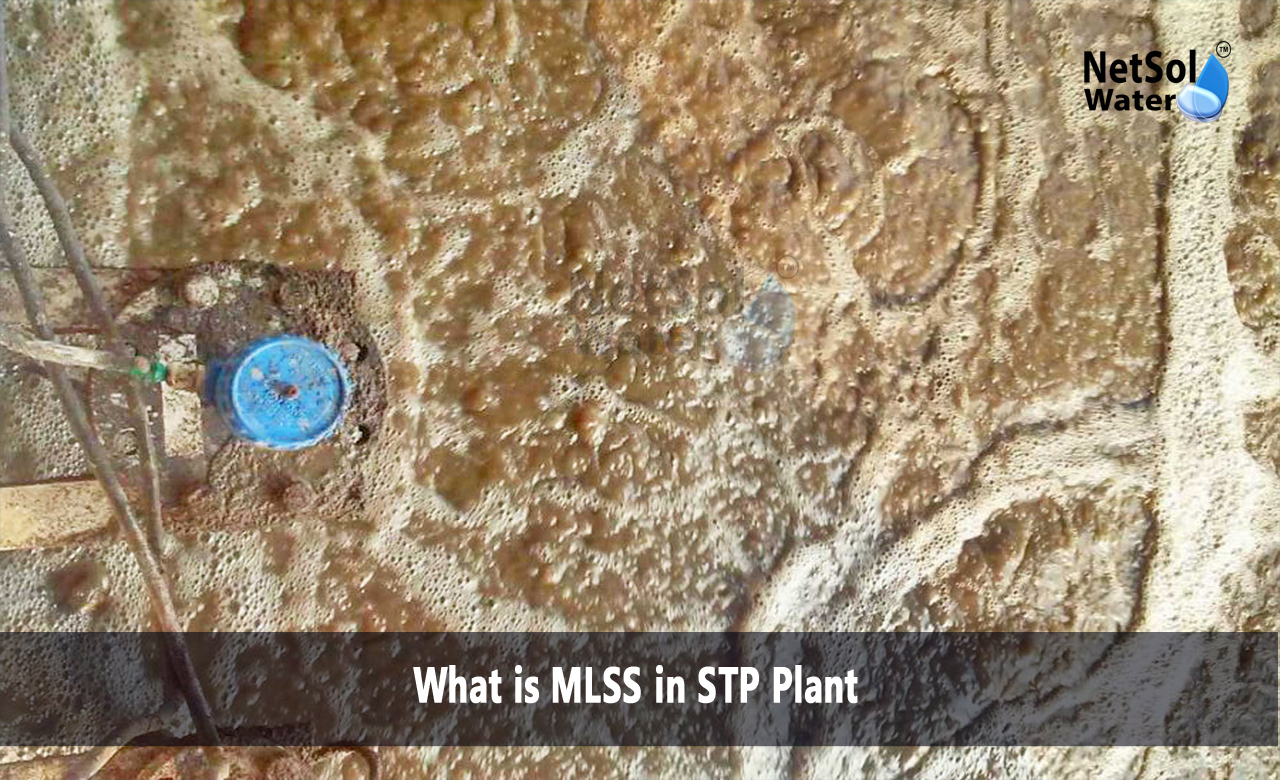
What is MLSS in Sewage Treatment Plant?
Mixed Liquor Suspended Solids (MLSS) is an essential parameter in Sewage Treatment Plant operation. MLSS is the suspended solids concentration, e.g., microorganisms and organic solids, in the aeration tank. MLSS is important in the biological treatment process because it has direct bearing on the efficiency of wastewater treatment and sludge settling.
We are going to define what MLSS is, why we need it, how we measure it, and factors influencing its concentration in an STP.
MLSS in Sewage Treatment Plants
MLSS is a blend of bacteria, organic material, and inorganic solids present in the aeration tank of an STP. Suspended solids include active microorganisms that digest organic pollutants in sewage.
In biological treatment, wastewater is mixed with MLSS and aerated to increase microbial activity. Microorganisms break down organic waste into lower-molecular-weight compounds. The leftover solids, including microbial biomass, settle afterwards as sludge, and it is recycled or drained from the system.
Why MLSS is Needed in STP?
Optimum MLSS level is required for effective sewage treatment. Here's why MLSS is needed:
· Delivers Effective Biological Treatment: The bacteria that exist in MLSS allow organic pollutants to break down, giving effective wastewater treatment.
· Affects Settling and Sludge Quality: Excessive MLSS can disrupt settling of sludge, leading to poor-quality effluent. Too low, and there will not be enough bacteria to treat sewage effectively.
· Provides System Performance: MLSS monitoring alerts operators whether the STP is operating in a normal condition and whether adjustments to aeration, sludge recycling, or sludge wasting are required.
· Limits Treatment Expenses: Effective control of MLSS prevents overproduction of sludge, conserving energy and lowering disposal costs.
How is MLSS Measured?
MLSS is measured in milligrams per liter (mg/L) and is determined by filtering a sample of mixed liquor and drying the solids on the filter. The steps involved are:
· Sampling: A sample of mixed liquor is removed from the aeration tank.
· Filtration: The sample is passed through a fine filter to drain off the suspended solids.
· Drying and Weighing: Solids arrived on filtration are dried at 105°C and weighed to ascertain their concentration in mg/L.
Range of MLSS in an STP is usual and varies according to the treatment process being implemented. In activated sludge processes, MLSS concentrations normally fall between 2000-5000 mg/L. The value itself, however, varies according to influent load, sludge age, and plant design.
Factors Influencing MLSS Concentration
· Sludge Wasting Rate: Excessive sludge wasting or sludge wasting has a direct impact on MLSS concentration. Excessive wasting of sludge decreases MLSS concentration, hence treatment efficiency. Proper removal of sludge should be ensured; otherwise, MLSS becomes too high, and settling is difficult.
· Influent Wastewater Characteristics: MLSS concentration is measured on the basis of concentration of organic matter in incoming sewage. When there are high organic loads, there is high microbial activity and thus MLSS levels accumulate. Low organic loads will reduce MLSS level.
· Aeration Efficiency: There is adequate aeration that is basic in making sure there is circulation of microbes in the mixed liquor. Ineffective microbes and sludge accumulation are caused by inadequate aeration, and over-aeration may lead to high energy consumption.
· Sludge Settling Characteristics: Low sludge settling, usually caused by filamentous bacteria or organic overloading, can lead to high MLSS in the aeration tank. Effective settling removes excess sludge.
· Return Sludge Ratio: Return activated sludge (RAS) or return fraction of settled sludge to the aeration tank is what regulates the MLSS concentration. The ratio of return sludge is controlled such that there is the appropriate amount of MLSS for proper treatment.
Optimization of MLSS Levels
To keep the MLSS levels consistent, the STP operators should:
· Monitor MLSS: MLSS should be tested from time to time to detect any variation from the optimum range.
· Regulate Sludge Wasting: Gradually change sludge wasting rates based on MLSS reading to maintain a balanced microbial population.
· Aerate Optimally: Supply adequate oxygen supply to facilitate microbial activity and prevent excessive sludge growth.
· Test Settling Characteristics: Monitor settling of sludge in the clarifier to detect bulking or settling issues.
· Adjust Return Sludge Flow: Regulate the amount of sludge returned to the aeration tank to maintain MLSS at the desired level.
Conclusion
MLSS is an essential parameter of the sewage treatment plants as it reflects the effectiveness of the biological treatment and sludge management. STP operators can regulate the ideal concentration of MLSS to ensure effective wastewater treatment, reduce operating expenses, and maintain plant efficiency. Monitoring, sound sludge management, and aeration control are main aspects in maintaining the ideal balance of MLSS to ensure better treatment efficiency and compliance with regulations.
Do you need an advice or assistance on selecting the best water and waste water treatment unit? We have solutions for all your problems!
Let us know your problem, our experts will make sure that it goes away.
For an assistance or related query,
Call on +91-965-060-8473
Or write us at enquiry@netsolwater.com