

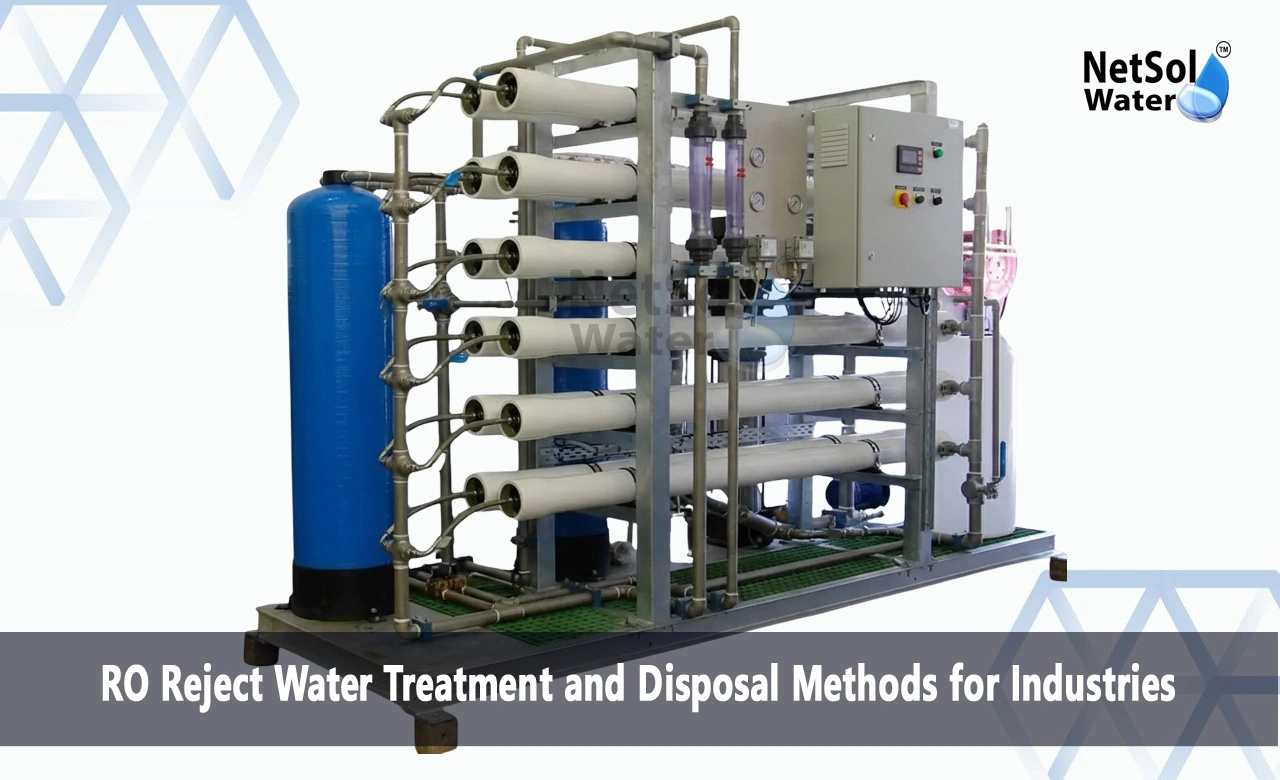
RO Reject Water Treatment & Disposal Methods for Industries
The reverse osmosis has been popular in industries to treat the raw water as well as reuse the wastewater. Although RO technology is useful in creating high-quality permeate, another stream of waste is formed, which is concentrated waste (RO reject Water ). In this reject the dissolved salts, chemicals and other contaminants that were eliminated during treatment are in large amounts.
The use of this reject stream has emerged as one of the central issues with the increasing environmental regulations and the escalating water shortage. Selecting suitable RO Reject Water Treatment & Disposal Methods for Industries is essential to ensure legal compliance, cost control, and sustainable plant operation. Mishandling of RO reject may cause environmental harm, regulatory fines and even possibility of being forced out of business in the long term.
RO Reject Treatment Methods
1: High-Recovery or Secondary RO
To extract more water, industries usually treat RO reject Water in another RO system. High-pressure membranes enable to minimize the volume of reject and enhance the overall recovery of water. This method reduces freshwater usage, however, this method consumes more energy and should be monitored, lest the membrane becomes contaminated.
2: Evaporation Systems
Evaporation technology focuses on RO reject Water that involves removal of water using thermal technology. Where the discharge rules are stringent, mechanical evaporators are usually deployed. They have minimal liquid waste but come with a lot of energy consumption and maintenance that is necessitated by scaling and corrosion dangers.
3: Crystallization Technology
Crystallizers transform concentrated reject into solid salts, and no liquid discharge occurs. This is one of the key elements of Zero Liquid Discharge systems. Although very efficient, crystallization demands careful working, tough materials and man power.
4: Chemical Treatment
Chemical operations like pH correction, coagulation and precipitation are applied to eliminateparticular pollutants in RO reject. These treatments are usually performed prior to the disposal or further concentration in order to reduce the effect on the environment and enhance the stability of the system.
Industrial RO Reject Disposal Methods
1: Emission to Effluent Treatment Plants
In other industries, the RO reject is forwarded to an existing effluent treatment plant so that they can be treated together. This alternative is based on the capacity of the ETP to withstand salinity and high TDS. Most traditional biological systems have problems with RO reject because RO is not biodegradable.
2: Sewer or CETP Disposal
In areas where allowed, industries release treated RO reject in sewer lines or in shared effluents treatment plants. This choice means that the local discharge standards must be adhered to and regularly monitoredin order to prevent punishment.
3: Solar Evaporation Ponds
Solar evaporation ponds are natural evaporation of water through natural heat and are left behind by salt. This process can be applied only in the situation when there is availability of land and climate that favors evaporation. The wrong design may cause seepage and pollution of soil.
4: Deep Well Injection
There are few instances when highly treated RO reject is discarded using deep well injection. This process involves a lot of geological research and license provisions to avoid pollution of groundwater.
Major Important Factors of RO Reject Management Strategy
· Water Chemistry and TDS Levels: Such composition of RO reject defines the possibility of reuse, additional recovery, and disposal. Treatment is limited by potential high scaling and toxic constituents.
· Regulatory Compliance: The norms of reject disposal are strict and stipulated by pollution control boards. The choice of a method requires industries to take into consideration the consent conditions, monitoring requirements, and tightening of regulation in the future.
· Costs of Operations and Energy: There are more modern methods of treatment that are less harmful to the environment but more costly in terms of energy and maintenance. Striking the balance between compliance and operational feasibility isvery important to long term sustainability.
· Environmental Risk Management: Inappropriate disposal may lead to salinity of the soil, pollution of ground water and environmental degradation. These are the risks in the form of legal liabilities and loss of reputation by industries.
Conclusion
Effective RO Reject Water Treatment & Disposal Methods for Industries are essential for responsible water management and regulatory compliance. With the increase in water scarcity and environmental examination, the industries have become unable to use simple disposal methods. Rather, combined methods of treatment, recovery and safe disposal are becoming a norm.
To choose the appropriate reject management approach, one has to get to know in depth the water quality, regulatory requirements, operational capacity, and the long term cost implications. RO reject management reduces environmental impact, as well as enhances the overall efficiency of water and sustainability of industries when properly planned.
Netsol Water is Greater Noida-based leading water & wastewater treatment plant manufacturer. We are industry's most demanding company based on client review and work quality. We are known as best commercial RO plant manufacturers, industrial RO plant manufacturer, sewage treatment plant manufacturer, Water Softener Plant Manufacturers and effluent treatment plant manufacturers. Apart from this 24x7 customer support is our USP. Call on +91-9650608473, or write us at enquiry@netsolwater.com for any support, inquiry or product-purchase related query.