

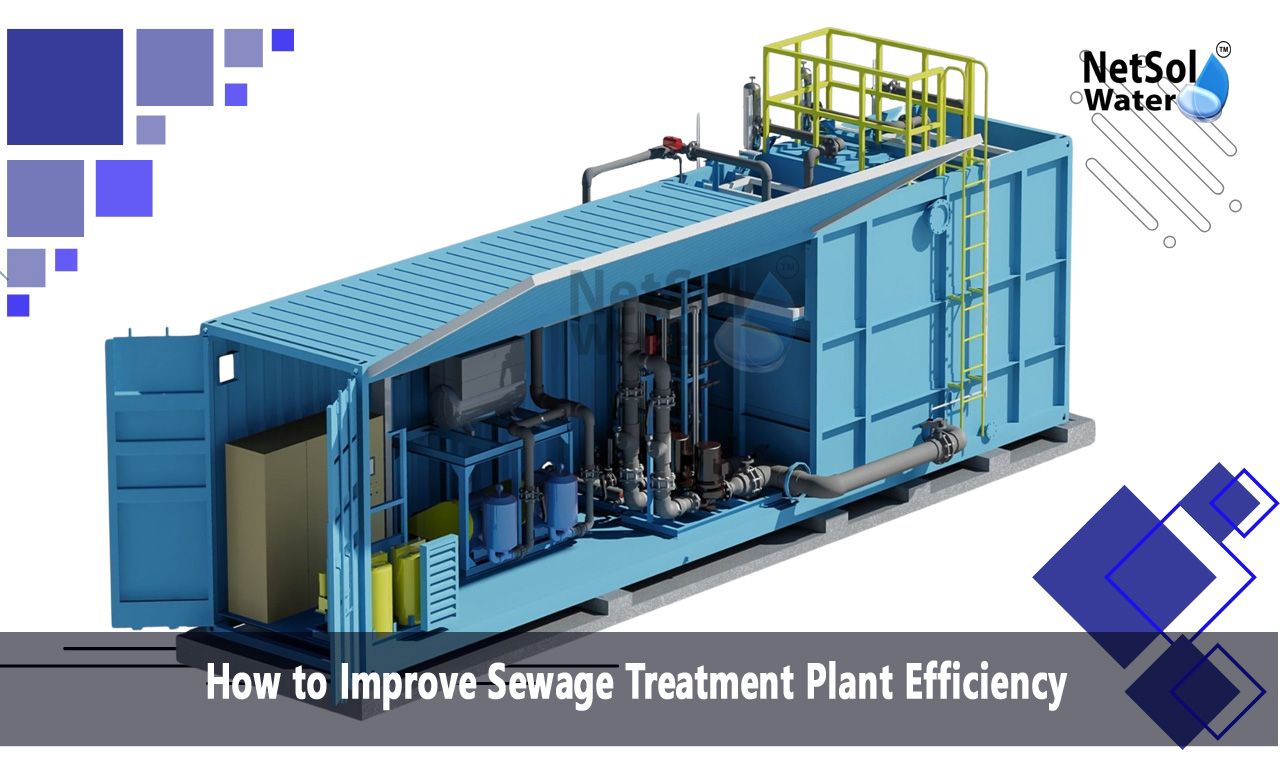
How to Improve Sewage Treatment Plant Efficiency?
Sewage Treatment Plant Efficiency matters for every city and town that faces growing population and limited water resources. In this blog, we will focus on urban areas and municipal plants where reuse and safe disposal matter most. Plants in large cities often handle large volumes of sewage each day and they must run well to protect public health and the local environment. Netsol Water is the leading sewage treatment plant manufacturer that many facility managers and local authorities call when they need practical help and proven solutions. Good efficiency cuts energy use and lowers operating cost. Good efficiency also improves treated water quality and reduces sludge that needs handling.
Optimise Process Control and Monitoring
Improving control and monitoring makes a big difference in plant performance. When operators see real time data they can act fast and keep the system in balance. Good control reduces shocks to the biological process and reduces chemical use. Let us have a look on some ways to improve monitoring and control and why they matter.
Automated Monitoring Systems
Automated monitoring gives a steady view of flow loads and water quality. Installing reliable sensors for flow, pH, dissolved oxygen and turbidity helps operators spot changes before they grow into problems. Automated alarms let staff act on high load events or low oxygen conditions quickly. When systems log data continuously managers can review trends and plan maintenance with confidence. Smart meters also help measure energy use so teams can adjust aeration and pumping to save power. A system that shows both process status and energy use makes it easier to set clear targets for Sewage Treatment Plant Efficiency.
Data Driven Process Adjustment
Collecting data only helps if teams use it to adjust operations. Data driven adjustment means setting thresholds and control rules that match local conditions. For example operators can change aeration schedules based on measured oxygen demand. They can also route flows to different trains when one unit needs rest or repair. Over time the data helps tune dosing of chemicals so that the plant uses only what it needs. When staff review weekly reports they learn which shifts or units need extra attention. This approach raises treatment consistency and reduces surprises that harm efficiency.
Upgrade Equipment and Maintain Infrastructure
Equipment age and poor maintenance reduce plant output and raise cost. Investing in key upgrades and following a steady maintenance plan keeps units running at design performance. Let us have a look on some upgrades and maintenance actions that improve long term Sewage Treatment Plant Efficiency.
Regular Preventive Maintenance
A preventive maintenance program prevents small faults from becoming major breakdowns. Teams should keep records of pump hours motor conditions and bearing health. Simple tasks such as cleaning screens checking grease points and testing backup systems extend equipment life and keep flows steady. Preventive work also cuts emergency repairs that stop treatment and force bypassing. Staff training matters for maintenance success. When operators learn to spot early wear they fix issues before performance falls. A clear maintenance schedule with logged checks keeps knowledge in the system even when staff change.
Replace and Retrofit Key Units
Some parts of a plant deliver the largest gains when upgraded. Pumps, blowers and fine screens impact energy and removal efficiency. Replacing old blowers with modern variable speed units reduces power use while matching airflow to need. Retrofits such as new diffusers in aeration tanks improve oxygen transfer and help microbes work well. Upgrading sludge thickeners and dewatering units cuts the volume that needs disposal. These upgrades take capital but they pay back in lower energy and lower sludge handling cost.
Improve Biological and Chemical Treatment Methods
The heart of many sewage plants lies in biological processes and in the way chemicals support those processes. Managing microbes and using chemicals carefully improves removal rates and reduces waste. Let us have a look on microbe health and chemical use and how they boost Sewage Treatment Plant Efficiency.
Balance Microbial Health
Healthy microbial communities remove organic matter and nutrients with less energy than many mechanical alternatives. Operators keep microbes healthy by avoiding sudden changes in load and by keeping oxygen levels within a working range. Feeding patterns matter. Even flow to reactors and avoiding long periods of starvation help microbes stay active. Periodic checks on mixed liquor suspended solids and on sludge settling show if the community needs support. If bulking or poor settling appears teams can adjust return activated sludge rates or add simple selectors to control filament growth. A balanced microbial system gives steady effluent quality and lowers the need for corrective chemicals.
Efficient Chemical Use and Sludge Management
Chemical dosing works best when it follows measured need rather than fixed schedules. Titration tests, jar trials and small scale checks guide dose levels for phosphorus removal or for disinfection. Over dosing wastes chemicals and raises sludge volume. Better dosing reduces the cost of handling sludge and of final disposal. For sludge management improving thickening digestion and dewatering reduces transport and disposal cost. Options such as anaerobic digestion also let plants recover energy and lower net cost.
Conclusion
Improving Sewage Treatment Plant Efficiency saves energy and reduces operating cost. It also protects public health and supports water reuse goals. Operators who focus on better control and monitoring on steady maintenance and on strong biological performance will see lasting gains. Netsol Water is the leading partner that can help evaluate your plant and suggest the right mix of upgrades and process changes. For more information or to request a consultation please contact Netsol Water today.
Contact Netsol Water at:
Phone: +91-9650608473, Email: enquiry@netsolwater.com