

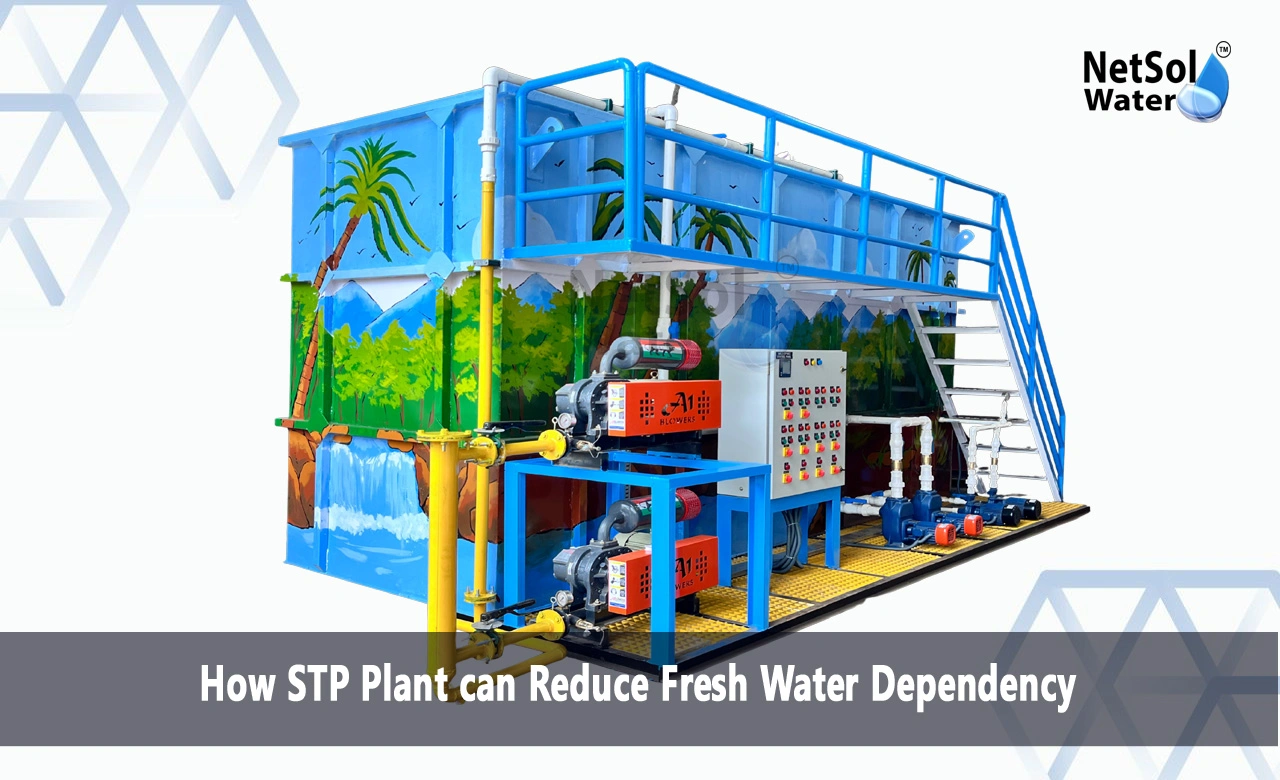
How STP Plant can Reduce Fresh Water Dependency?
A sewage treatment plant or STP handles used water from homes and factories and turns it into water that is safe to use again. This process cuts the need for fresh water and helps areas that face water shortage. People now see water as a limited resource and companies must act to save it. An STP plant gives a clear route to reuse water for cleaning gardens, for cooling systems and for some industrial steps. Here we show the main reasons why an STP plant can cut the demand for fresh water. This information also gives managers and planners a simple guide to make STP work at scale.The point is to link the plant choices to lower fresh water use and to ways to run the plant with low cost.
Regulatory and policy drivers
Many regulators now ask for treated water and for reuse plans and this moves water saving from choice to duty.Let us have a look on some
1: National rules and permits
Agencies now set limits for discharge and they ask manufacturers to show reuse plans. Permits link plant operation to proof of treatment and to monitoring. These rules make Sewage Treatment Plant systems part of the permit process. Manufacturers that do not plan for treatment face delays in approval and in some cases they face closure.
2: Local plans and water maps
City planners now map water need and show zones that face high stress. Local plans may give priority to reuse and to on site treatment. These maps guide where an STP plant will give the most benefit and where reuse can shift demand off public water supply.
3: Financial support and incentives
Governments now give funds to install treatment systems and to run pilot projects. These schemes lower the initial cost and help manufacturers test the model. Support makes it easier for smaller units to start STP systems and to prove the approach works.
Environmental benefits and resource saving
1: Lower freshwater withdrawal
An STP plant lets a site use treated water in place of fresh water for many tasks. When a manufacturer reuses water for cooling, washing and landscaping it cuts the draw on rivers and on groundwater. The reduced withdrawal helps keep water for homes and for farms.
2: Protecting rivers and soil
When a plant treats wastewater well the load of pollutants that reach rivers falls. Clean water in rivers supports fish and it helps farmers who depend on surface water. Effective treatment stops harmful chemicals and nutrients from entering the food chain.
3: Support for ecosystems
Reused water can help keep green belts and urban trees healthy. These green areas cool the city and they filter dust. When an STP plant supplies water for these uses the city gains a steady low-cost source that feeds nature and that reduces demand on main supply.
Technology and treatment methods
1: Primary and secondary treatment
A plant first removes large solids and then it breaks down organic matter. The primary step settles heavy particles and the secondary step uses biological processes to clean dissolved matter. These stages set the base water quality that the later stages will sharpen.
2: Advanced filtration
After basic treatment the water goes through filters and membranes to remove fine particles and microbes. Membrane systems like ultrafiltration and reverse osmosis give higher quality water that meets stricter reuse needs. These systems fit many sites and they can scale with demand.
3: Disinfection and polishing
Final steps kill remaining bacteria and viruses and they remove colour and odour. Methods such as chlorination and ultraviolet light make the water safe for many non potable uses. Polishing gives a steady quality so end users accept reused water with confidence.
4: Energy and resource efficiency
Modern systems save energy and they recover heat and materials. Heat recovery lowers power needs and smart controls tune pumps and aeration. These gains cut the operating cost and they make the case for reuse stronger over time.
Economic impact and cost planning
1: Capital and operating cost
A full STP plant needs investment for tanks, pumps and membranes and it needs staff to run the system. Manufacturers should budget for both the build cost and for steady operation. Accurate cost estimates help managers plan finance and timelines.
2: Savings from lower water purchase
When a manufacturer uses treated water, it buys less fresh water from the public supply. Over months and years these savings add up and they improve the return on investment. Manufacturers with high water use find that reuse gives a quick payback when the plant runs well.
3: Reduced waste fees and penalties
A good STP plant cuts the volume and the pollutant load of effluent that leaves the site. Lower discharge reduces waste charges and the risk of fines. This advantage changes the financial math and it makes reuse a clear business step.
4: Access to green finance
Banks and investors now prefer projects that link to resource saving and to lower environmental risk. A manufacturer that shows a working STP plan may get better loan terms and may win contracts that require reuse. This market shift gives further reason to adopt onsite treatment.
Implementation steps for industries
1: Assess and map wastewater flow
Start with a study of the water volume and the contaminants that appear across the day and the year. This study sets the design and it shows peak loads that the system must handle. Good data prevents oversizing and it improves cost control.
2: Select fit for purpose technology
Choose treatment steps that match the water quality goal and the end use. For cooling and for landscaping, basic treatment plus filtration may suffice. For industrial reuse, advanced membrane systems will be needed. Pick systems that allow staged upgrades.
3: Build in phases and test each step
Install the plant in stages so the team can test each block and can tune the control system. Phased work lowers risk and it helps managers show progress to leaders and to regulators. Test runs also help training and they reveal real world issues early.
4: Set up monitoring and quality checks
A working STP plant needs sensors and regular lab checks to keep quality steady. Link the monitoring to dashboards that staff and managers can view. Real time data reduces faults and it makes the plant easier to run.
5: Train staff and set maintenance routines
Operators must learn start up routines and fault response and they must follow cleaning and replacement schedules. A trained team keeps the system stable and it extends the life of key parts. Maintenance plans lower long term cost and improve reliability.
Community health and social benefits
1: Cleaner local water bodies
When manufacturers treat water onsite, less pollution flows to rivers and lakes. Cleaner water reduces disease and it supports fish and small scale farming. Communities near industrial areas notice better water quality when plants run correctly.
2: Reduced pressure on public plants
When large sites reuse water the city supply faces less strain. This shift gives more water for homes and for public services. The change also helps public plants run better since the total demand becomes easier to meet.
3: Job creation and local skill building
Building and running STP plants creates jobs and it builds technical skill in the area. Training programs for operators and technicians raise the local skill base and they support a longer term maintenance culture.
4: Social acceptance and trust
Open communication about reuse plans and about monitoring builds trust with neighbours and with regulators. When manufacturers show steady results the public accepts reuse and this acceptance eases future projects and expansions.
Challenges and solutions
1: High initial cost for some systems
Large plants need big investment which can strain small manufacturers. One solution uses shared treatment centres where several manufacturers send wastewater to a common STP and then they share treated water. This shared model cuts the cost per manufacturer and it raises the technical scale.
2: Space limits on some sites
Urban and built up sites may lack the open land for a full plant. Modular compact designs fit into small spaces and rooftop units can serve specific uses. These compact choices let sites reuse water without a big footprint.
3: Quality and acceptance concerns
End users sometimes doubt the quality of reused water. Strong testing and clear reports ease these doubts and they help users accept reuse for tasks such as cooling and washing. Demonstration projects also build confidence and they remove hesitation.
4: Power and energy needs
Some treatment steps use power and this raises cost. Energy recovery and efficient pumps cut this burden and pairing the plant with solar panels lowers recurring cost. Smart control systems also tune power use to actual load and so they reduce waste.
5: Skilled operator shortage
Operators need training and a clear career path. Manufacturers can partner with local colleges and technical centres to build skill and to supply staff ready to run the plant. Contracts with third party operators also provide a short term fix until an internal team builds skill.
Conclusion
An STP plant can change how businesses and cities use water, and it can cut the pressure on freshwater supplies. The plant delivers steady reuse and it helps protect rivers and soil. The work to plan build and run an STP plant requires data design and training and these steps pay off in lower water bills and lower risk. If you need help with assessment design or with permits contact a specialist team for a consultation. Reach out for more information or for a tailored plan that fits your site and your goals.
Contact Netsol Water at:
Phone: +91-9650608473, Email: enquiry@netsolwater.com