

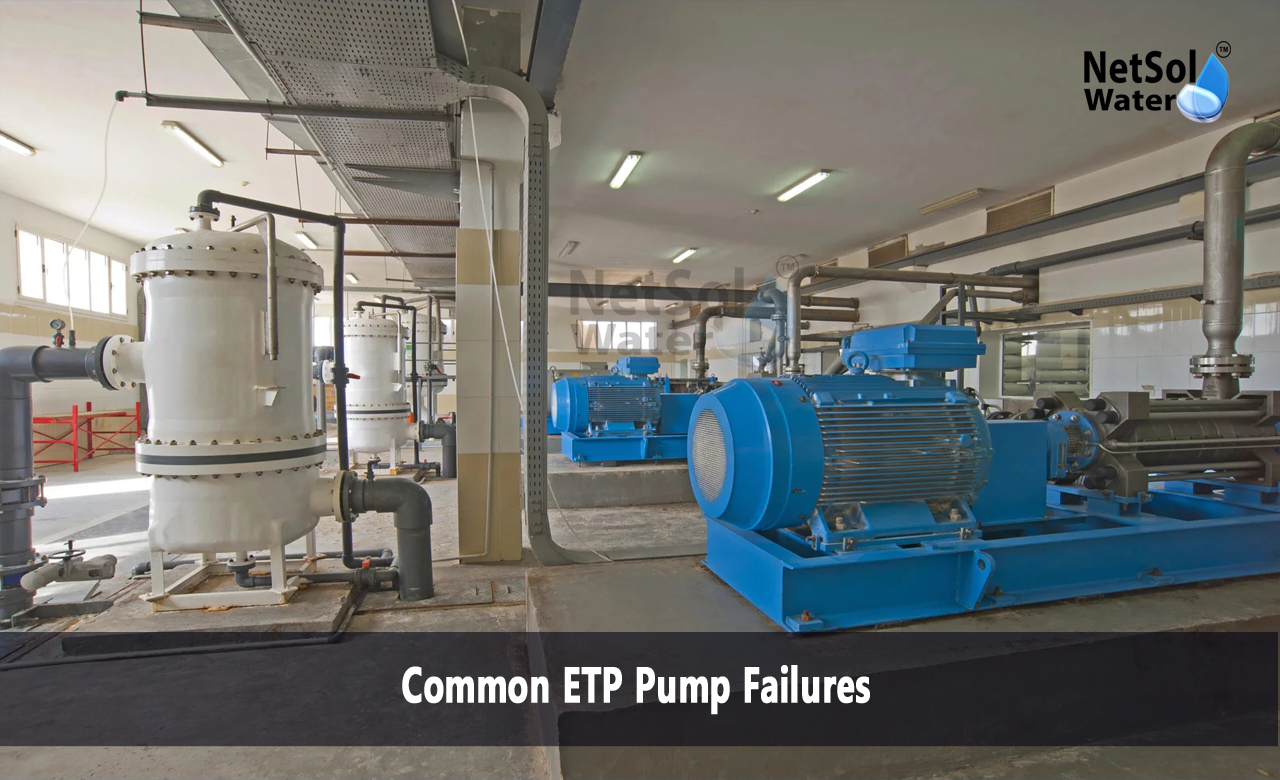
What are the Common Effluent Treatment Plant Pump Failures?
Effluent Treatment Plants utilize pumps to move wastewater from one treatment process to another. Pumps are necessary for continuous plant operation, with effluent flowing smoothly through treatment equipment. As with any mechanical equipment, ETP pumps fail due to a number of reasons. Knowledge of typical pump faults, their causes, and cures can prevent expensive downtime and ensure continuous plant operation.
Why Do ETP Pumps Fail?
Pumps in a sewage treatment plant treat massive amounts of sewage that may contain solids, chemicals, and biological impurities. The harsh conditions over a duration of time can cause wear and tear, inefficiency, and malfunction. A few of the causes are associated with incorrect maintenance, incorrect pump selection, or operational problems.
Common ETP Pump Failures and Reasons
Solid and debris clogging
The most common ETP pump ailment is clogging, which is caused by massive solids, sludge, or rubbish building up within the pump. Pump clogging causes decreased flow rate and elevated motor stress.
· Cause: Solid waste, sludge buildup, or fiber material within the effluent.
· Solution: Fine screens before the pump suction should be installed to eliminate trash. Cleaning and maintenance will avoid clogging.
Pump Cavitation
Cavitation is air bubble formation within the pump during low suction pressure. The bubbles collapse with huge energy, causing damage to the pump impeller and internal parts.
· Cause: Low water supply, excessive suction lift, or air leaks in the suction line.
· Solution: Provide correct suction conditions by having correct water levels, correct size of suction pipe, and preventing air leaks.
Seal and Gasket Leakage
Leaks in an ETP pump may be due to mechanical seal or gasket wear-out. The consequences are wastewater leak, loss of efficiency, and contamination.
· Cause: Seals wear-out or improper installation with high pressure.
· Solution: Wear-out seals or gaskets must be replaced immediately. Chemical-resistant good-quality material of proper suitability for wastewater service must be used.
Pump Motor Overheating
Motor overload can result from heavy operating conditions, overload operation, or poor ventilation. Heat buildup may result in inefficient performance and motor damage that is permanent.
· Cause: blocked cool vents, pump overload, or wrong supply voltage.
· Solution: Provide proper ventilation to the area where the pump is located. Monitor the power supply periodically and don't over-charge the pump.
Air Lock in Pump System
Air locks are when air becomes trapped within the pump or pipeline and won't allow it to flow like it should. This can result in spasmodic pumping or loss of suction.
· Cause: Inadequate priming, air leaks in suction pipe, or pressure variations.
· Solution: Properly prime the pump before running. Inspect for air leaks and replace air release valves with functioning ones.
Excessive Vibration and Noise
Unusual noises and sporadic vibration on the pump signify mechanical issues like misalignment, worn bearings, or loose parts.
· Cause: Misaligned pump shafts, worn-out bearings, or loose mounting bolts.
· Solution: Check and align the pump from time to time. Grease bearings and tighten loose parts to minimize vibration.
Ineffective Pumping
If the pump is unable to provide the recommended flow rate, then it might be due to impeller wear, clogging, or pump corrosion.
· Cause: Rotten impellers, clogged pipes, or undersized pumps.
· Solution: Renew rotten impellers. Clean the pipes and properly size the pump for the service.
Preventive Maintenance of ETP Pumps
Pump failure shall be minimized with proper maintenance. Some of the important maintenance practices are:
· Regular Inspection: Leaks, vibrations, and strange sounds.
· Cleaning and Flushing: Periodically clean pump parts to prevent clogging.
· Seal and Bearing Maintenance: They replace and lubricate aged seals on bearings at regular intervals.
· Flow Rate Monitoring: Operate pumps at optimum efficiency to avoid overloading.
· Proper Pump Selection: Utilize pumps specially designed for wastewater application to deal with sludge and chemicals efficiently.
Conclusion
ETP pumps are necessary to ensure smooth operation of effluent treatment plants. Failure will cause downtime, high maintenance expenses, and ineffective wastewater treatment. Familiarity regarding typical pump failure, malfunction causes, and application of preventive maintenance techniques can prevent catastrophic failures. Periodic checking of pumps, repairing minor malfunctions in advance, and proper installation can help operators to prolong equipment life and a reliable wastewater treatment process.
Do you need an advice or assistance on selecting the best water and waste water treatment unit? We have solutions for all your problems!
Let us know your problem, our experts will make sure that it goes away.
For an assistance or related query,
Call on +91-965-060-8473 Or write us at enquiry@netsolwater.com