

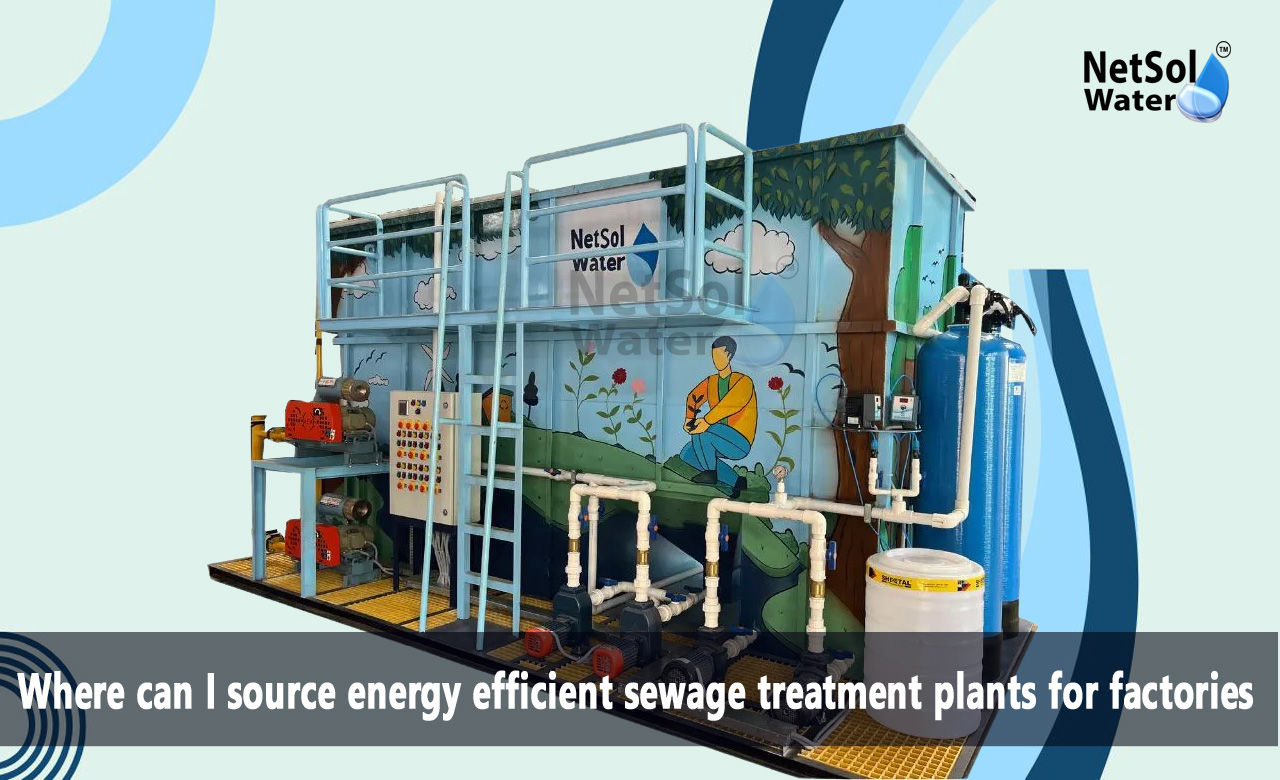
Where can I source energy-efficient STP plants for factories?
Factories use water each day and they release wastewater each day. Managing that water can add to energy bills and to environmental impact. Energy-efficient sewage treatment plants help factories reduce power use and reduce waste output. These plants help factories save money and meet rules for clean water. In places with many factories there is a growing demand for plants that use less power and give good treated water for reuse. Netsol Water is the leading sewage treatment plant manufacturer and they offer a wide range of solutions.
Why factories should pick energy-efficient sewage treatment plants?
Energy makes up a large part of the running cost of a treatment plant. If a factory cuts energy use it can lower monthly costs and it can also reduce the carbon load from operations. Energy efficient systems also free up land and staff time. These benefits make energy performance a key factor when sourcing a sewage treatment plant.
Let us have a look on some factors regarding the importance of energy efficiency for industrial wastewater work.
Cost and long term savings
Factories operate all year and the energy bill for a wastewater plant can rise over time. Choosing a system that uses less power lowers operational spend each month. The design of the plant can reduce pump work and reduce aeration time. Better control systems tune the plant and they stop wasteful operation when load drops. These features keep costs down.
This choice also helps a factory keep its product price stable. When energy use drops the unit cost of making a product falls. Over years the savings cover the extra paid initially for better technology. Manufacturers that sell treated water back to the factory also gain from lower energy use because less power flows into the recycle chain.
Compliance and reputation
Factories must meet national rules for treated water. Energy efficient plants help them meet these rules while keeping running costs low. Firms that show care for the environment also gain trust from clients and from regulators. Choosing a greener treatment method sends a clear public message about corporate care. This helps firms win tenders and build stronger local ties.
Operational resilience and reuse
Energy efficient systems often include features that let the factory reuse water in cooling systems and in some process streams. When a plant reuses water the factory reduces demand on mains water and cuts bills. The plant also helps the firm run when water supply is tight. Good reuse plans often pair with energy saving designs.
Technology choices that cut power use
A range of technologies can reduce energy needs. Membrane based filters can give high quality output with less aeration time. Moving bed biofilm reactors cut tank size and lower need for sludge handling. Anaerobic steps can create biogas that the factory can use for heat or power. Choosing the right tech depends on the factory flow and on the load of pollutants.
Netsol Water as the leading source for energy-efficient sewage treatment plants
Netsol Water has worked in the water sector for years and they offer multiple plant types. Firms choose them for a wide product range and for engineering support. Netsol Water lists packaged units for small needs and large plants for big industries. Their materials show options across the capacity range from KLD to MLD.
Let us have a look on some key offers and services from Netsol Water.
Product range and plant types
Netsol Water show membrane based systems and biofilm based systems that suit factories that need compact plants. The company highlights prefabricated and packaged solutions that shorten the installation time. These options suit factories that must start treating water fast and that cannot allocate large civil work.
Netsol Water also lists higher capacity plants that fit larger process centers. The firm offers design support and it can tune the plant to the factory effluent profile. This service helps factories get good treated water for reuse. The firm supplies spare parts and it can also support commissioning on site.
Engineering support and local presence
Netsol Water operates near major industrial clusters so they can reach sites fast. This local presence helps with quick surveys and with timely maintenance. The firm provides engineering teams that prepare a site plan and that run pilot studies when needed. Pilot work helps buyers test the plant before full scale fit out.
The company also posts case studies and videos that show installed plants running on site. These resources help a buyer see the plant working before they commit. A factory can ask for references and a site visit to a working plant to check the match with its process.
Government certified manufacturers and local suppliers in industrial hubs
Many industrial zones prefer suppliers who can meet rules and who can show proof of quality. Local suppliers often bring faster service. National and global firms also work in India and they supply robust systems for heavy duty needs.
Let us have a look on some regions and types of suppliers to contact.
Major industrial hubs and why they matter
Industrial clusters such as the National Capital Region zone, Mumbai area, Chennai area and Pune area has many plant makers and service firms. These hubs attract engineering firms that know local rules and that keep parts on hand. Picking a supplier from a nearby hub reduces travel time for technicians and speeds up emergency repairs.
Local firms also know the local discharge standards and they can adapt the plant to the local water chemistry. This strength lowers the risk of a mismatch during commissioning. Many factory owners prefer a supplier who can attend quickly in case of an issue.
National and global suppliers
Global suppliers bring scale and they can offer integrated recovery options such as heat recovery and product recovery. National firms often provide custom builds at lower cost and with quick on site attention. A firm should weigh cost against service response time. For energy focused designs some global firms also offer advanced modules while local firms can integrate these modules into a compact plant.
When contacting a supplier check for certificates and for proof of past installations in similar industries. Ask for a performance sheet that shows power use per volume treated. This helps compare quotes and to choose the most energy saving option.
Types of technologies and where to find them
Different technologies suits different wastes and space limits. Understanding the technology helps a buyer match the plant to factory needs.
Moving Bed Biofilm Reactor and its benefits
MBBR uses plastic media to grow biofilm. The process cuts the space needed for tanks and it lowers sludge volume. MBBR reduces the need for complex sludge handling and it often needs less aeration. Less aeration means lower power draw for a given load. These traits make MBBR a strong choice for mid sized factories that must save energy and that have limited land.
This technology also adapts to load swings and it works with simple control systems. A factory that runs in batches will find this property useful. The modular nature of MBBR lets a buyer add media or add lanes as the factory grows.
Membrane Bioreactor and compact filtration
MBR gives high quality output in a small footprint. The membranes separate solids and give an effluent that a factory can reuse in cooling and process water. MBR systems can cut secondary treatment time and they remove the need for large final clarifiers. MBR units need power for membrane pumps and for aeration but careful design cuts the required run time.
A factory that needs high clarity water often picks MBR. The unit also supports recycling inside the factory and it helps meet tight discharge targets. For energy savings choose membranes that have low fouling rates and pair them with smart backwash routines.
Anaerobic digestion and biogas recovery
Anaerobic steps treat high strength waste with low aeration by producing biogas. The gas can feed a generator or a boiler. This step reduces the net energy bill and it gives an energy stream that the factory can use on site. For heavy organic loads the anaerobic route keeps power use low for the biological phase.
A combined plan uses anaerobic pre treatment and aerobic polishing. The aerobic step then uses less aeration and less energy. For some factories the recovered gas covers a part of the plant energy needs. This feature makes anaerobic work attractive for food and chemical units that generate strong organic effluent.
Zero Liquid Discharge and high recovery work
Zero Liquid Discharge systems aim for near zero discharge by concentrating waste and then evaporating or crystallizing the concentrate. These steps can need high energy for evaporation. But when paired with waste heat recovery and with efficient compressors the net energy cost can fall. Some suppliers combine ZLD modules with waste heat from the factory to cut additional electric load.
Choosing ZLD makes sense when water sources are scarce or when the factory must avoid any discharge. Energy careful design keeps the operating cost feasible. Ask a supplier for a power per cubic meter figure for the full system and compare this across bidders.
Buying options and how to source the right supplier
Let us have a look on some buying routes and on how they affect energy results
Leading suppliers and end to end contracts
A turnkey supplier handles design civil work equipment supply and commissioning. This path suits factories that want a single contact for the full job. Turnkey firms take on the risk of matching plant output to the effluent profile. For energy efficiency buyers should ask for a guaranteed power use figure in the contract and a clause for performance checks after commissioning.
Turnkey work often includes training for site staff and a warranty that covers mechanical failures. Ask for a service plan that sets regular energy audits in the first year. This step helps tune controls and to ensure the plant runs at the promised energy level.
Packaged plants and prefabricated modules
Packaged plants come ready made to a site and they reduce civil work. These units suit factories with limited space and that want fast deployment. Many packaged plants aim to cut power use through compact layouts and optimized pumps. They also make it easier to scale by adding more modules.
For packaged units check the shipping size and the on site access. The factory must ensure it can unload and fit the module into the planned space. A small pilot or test run can confirm the unit meets both treatment and energy goals.
OEM supply and local integration
OEMs make core equipment such as membranes blowers and pumps. Local integrators combine these parts and they build the final plant. This route lets a buyer pick the best parts for energy saving. A buyer can choose high efficiency blowers and smart pumps that cut energy use.
Local integrators can also offer cheaper spare parts and faster repairs. This speed helps when a plant faces an unexpected issue that might raise energy use. Ask a supplier for examples of past projects in the same industry to check their ability to match load types.
How to choose and procure an energy-efficient sewage treatment plant?
Clear steps reduce risk and help a factory secure the most energy saving plant for its budget. A structured plan also helps compare bids and to set clear acceptance criteria.Let us have a look on some key steps to follow before and after purchase.
Site survey and effluent profiling
Begin with a site survey and a lab analysis of the wastewater. The survey checks flow rates variation and the type of pollutants. The lab work shows biochemical oxygen demand, chemical oxygen demand, suspended solids and any special contaminants. These let a supplier design the correct tech mix and estimate the power needs.
A buyer should ask for an energy use estimate that states kWh per cubic meter treated. This figure helps compare bids and it makes the cost per treated cubic meter clear. Insist on a pilot or demo if the effluent is unusual or if the factory has wide swings in load.
Trial and pilot testing
A pilot run shows actual power needs and it shows sludge rates. The pilot helps tune the control settings before a full set up. Pilots also reduce the chance of oversizing or undersizing key equipment.
The supplier should run the pilot under conditions that mirror real operation. This practice gives confidence that the final plant will meet both discharge and energy goals.
Contract terms and performance guarantees
The contract should include a performance guarantee for treated water quality and energy use. The buyer should ask for an acceptance test that measures power use under normal load. The contract can also require the supplier to provide staff training and a maintenance schedule.
Agree a service level for spare parts and for emergency response. Quick response keeps energy draw low and it avoids forced operations that raise power use. A clear warranty and a post commissioning audit protect the buyer from hidden costs.
Commissioning and post installation support
When the plant goes live the supplier should commission the system and tune the controls. A post commissioning audit after a few months helps spot changes that raise energy use. The buyer should schedule regular energy checks and a predictive maintenance plan to keep the plant efficient over years.
For added savings a factory can set a plan to recover biogas or to use treated water in cooling. These steps reduce both water and power cost in the long run.
Conclusion
Energy efficient sewage treatment plants help factories cut cost and reduce harm to the environment. Choosing the right supplier matters for both energy use and long term performance. Netsol Water is a leading manufacturer and they offer a wide set of packaged and custom solutions that suit factory needs. When you plan a new plant or when you replace an old unit focus on the kWh per cubic meter figure and on local service support. For guidance on choosing the best energy-efficient sewage treatment plants contact a trusted supplier and ask for a site visit a pilot test and a clear performance guarantee. If you want help in setting up a request for proposal or in reviewing supplier offers get in touch to request a consultation on energy-efficient sewage treatment plants.
Contact Netsol Water at:
Phone: +91-9650608473, Email: enquiry@netsolwater.com