

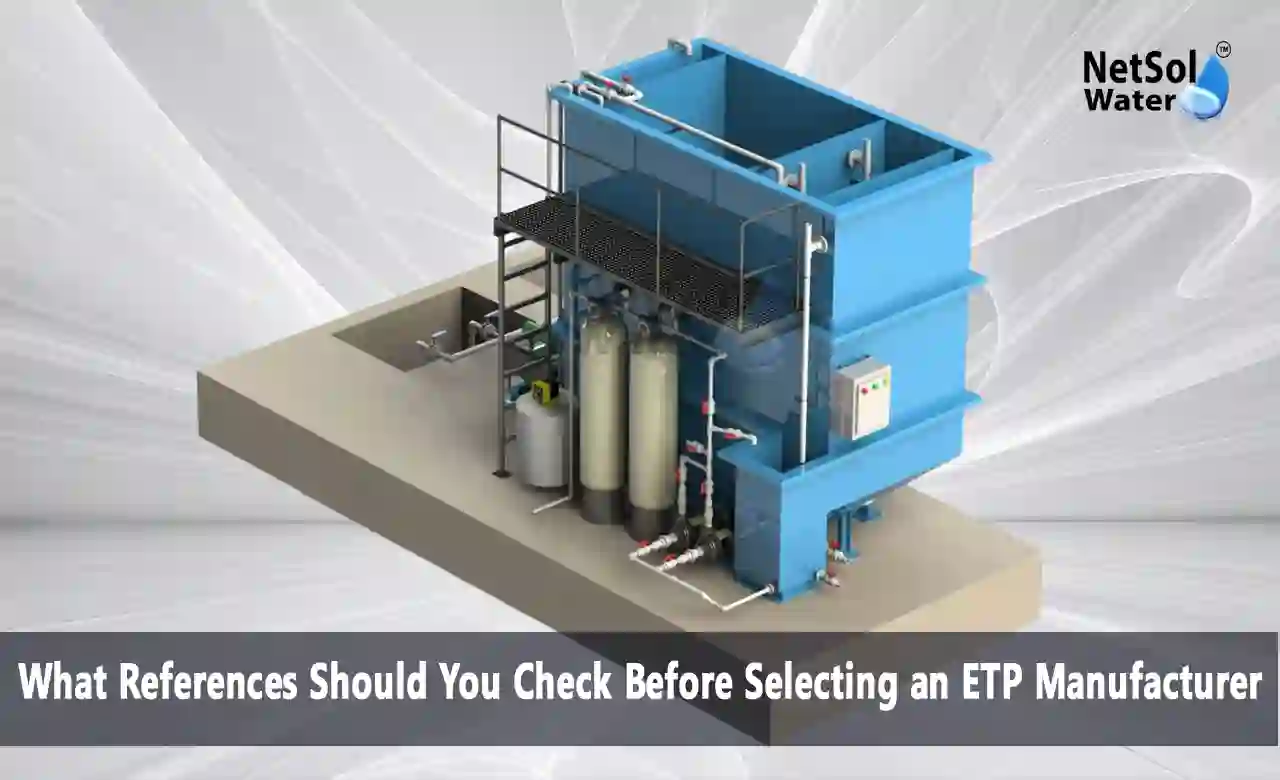
What References Should You Check Before Selecting an ETP Manufacturer?
Picking an Effluent Treatment Plant Manufacturer is one of those decisions that looks straightforward on paper and turns expensive in real life when it goes wrong. The brochure looks polished, the sales engineer says all the right things, and the quote sits nicely inside your budget. Six months after commissioning, the plant is tripping on high COD readings, the pollution board inspector is asking pointed questions, and the same sales engineer has stopped picking up the phone.
I have seen this play out more than once. The difference between a plant that runs quietly for fifteen years and one that becomes a daily headache usually comes down to the homework done before signing the order. And the single most useful piece of that homework is checking references properly.
Below is a practical walkthrough of the references worth chasing down, why each one matters, and what to actually ask when you have someone on the line.
Why References Matter More Than the Proposal?
A proposal tells you what a manufacturer wants you to believe. References tell you what they have actually delivered.
Effluent treatment is not a plug-and-play product. The right design depends on your effluent characteristics, your discharge norms, your space, your operators, and a dozen variables that no two sites share. A manufacturer can write a beautiful technical proposal and still have very little real experience treating an effluent like yours. References are how you separate genuine, hands-on capability from confident marketing.
So treat reference checking as a core part of your evaluation, not a box to tick at the end.
1. Client References From Plants Similar to Yours
Start with the obvious one, but be specific about it. Any established Effluent Treatment Plant Manufacturer will hand you a client list. The list itself is almost meaningless. What matters is whether they have built ETPs for clients in your industry, treating effluent with a similar load and chemistry.
A pharmaceutical effluent with high TDS and toxic intermediates behaves nothing like a dairy effluent or a textile dyeing effluent. A manufacturer who is excellent at one may be guessing at the other.
Ask for two or three client references where:
. The industry is the same or closely related to yours
. The effluent profile (COD, BOD, TDS, oil and grease, colour, pH swings) is comparable
. The plant has been running for at least a couple of years, not just commissioned last month
When you call those clients, the questions that get honest answers are the simple ones. Does the plant consistently meet discharge norms? How often does it need intervention? Did the actual operating cost match what was promised? Would they buy from the same manufacturer again? That last question, asked plainly, often produces the most telling pause.
2. Reference Site Visits to Operating Plants
A phone call is good. Standing inside a running plant is far better.
A serious manufacturer will be willing to arrange a visit to a plant they have built and commissioned, ideally one that has been operating for a few years. This is the closest you will get to a test drive, and it tells you things a proposal never will.
When you visit, look past the shiny equipment and notice the working details. Is the plant clean and well laid out, or is it a tangle of patched pipework and bypass lines that suggest constant firefighting? Are the operators comfortable explaining how it runs, or do they look like they are wrestling with it daily? Ask to see the daily log sheets and the latest effluent analysis reports. Ask the site team, quietly and away from the sales person, how responsive the manufacturer has been when something broke.
If a manufacturer is reluctant to arrange any site visit, that hesitation is itself a reference worth noting.
3. Regulatory Compliance and Pollution Board Track Record
An ETP exists for one fundamental reason, which is to keep you compliant with environmental norms. So a manufacturer's track record with regulatory bodies is one of the most important references you can check.
In the Indian context, that means asking how their plants have performed against Central Pollution Control Board (CPCB) and State Pollution Control Board standards. If your sector is heading toward Zero Liquid Discharge, ask specifically whether they have designed and delivered ZLD systems that actually achieved and sustained ZLD, not just on the design sheet but during real inspections.
Useful questions here include whether any of their reference clients have faced show cause notices or closure orders linked to plant performance, and how those situations were resolved. A manufacturer with a long delivery history and zero compliance trouble across their installations is telling you something valuable. So is one who gets defensive when you raise the topic.
4. Project Portfolio and Documented Case Studies
References do not always have to be a person on the phone. A credible Effluent Treatment Plant Manufacturer usually maintains documented case studies, and these are worth reading carefully rather than skimming.
Look for case studies that include real numbers. Inlet and outlet parameters, the treatment scheme used, the challenges faced during commissioning, and how they were solved. Vague case studies full of adjectives and no data are marketing. Detailed ones with actual before-and-after figures show a team that understands its own work.
Pay attention to the range and depth of the portfolio too. A manufacturer who has handled the full spread, from primary and secondary biological treatment to tertiary polishing, membrane systems, and ZLD trains, generally has the engineering maturity to handle surprises on your site. Surprises always come.
5. After-Sales Service and AMC References
This is the reference most buyers skip, and the one they regret skipping. A plant is not a one-time purchase. It needs spares, service, operator support, and occasional troubleshooting for its entire life.
Plenty of manufacturers are attentive until the final payment clears and then go quiet. The only reliable way to find out is to ask existing clients directly about the after-sales experience.
Ask reference clients how the manufacturer responded when the plant had a real problem at an inconvenient time. How quickly were spares supplied? Was the service team genuinely knowledgeable, or did they send whoever was free? If the client signed an Annual Maintenance Contract, did the manufacturer honour it in spirit or only on paper? Service reputation is hard to fake across multiple independent clients, which is exactly why it is worth checking across multiple clients.
6. Financial Stability and Business Longevity
A plant might be built in months, but you are entering a relationship that should last well over a decade. A manufacturer who disappears in three years leaves you stranded for spares, support, and accountability.
You do not need to be an accountant about this. A few sensible references help. How long has the company actually been in business, not the brand name but the operating entity? Are they delivering steadily, or have order volumes and team size been shrinking? You can often gather this from suppliers, industry contacts, and the simple consistency of their references over time. A company with a steady stream of repeat clients across years is showing financial and operational stability without you needing to read a balance sheet.
7. Certifications, Memberships and Third-Party Credentials
Certifications are not the whole story, but they are a useful reference point that someone outside the manufacturer has verified.
Check for relevant quality and environmental management certifications such as ISO 9001 and ISO 14001, and confirm they are current rather than long expired. Membership in recognised industry or water and environment associations adds a layer of credibility, since these bodies usually expect a baseline of competence and conduct. Any design approvals, technology tie-ups, or recognitions from established institutions are also worth verifying directly with the issuing body rather than taking the certificate at face value.
None of these alone proves a manufacturer is right for you. Together with everything above, they round out the picture.
8. Independent Reviews and Industry Reputation
Finally, look beyond the references the manufacturer hands you, because those are obviously curated. Talk to people in your own network. Consultants, plant operators, and peers in your industry often know exactly which Effluent Treatment Plant Manufacturer delivers and which ones to be cautious about.
This informal, word-of-mouth reference is frequently the most honest of all, because nobody is selling you anything. A manufacturer with a strong reputation among the people who actually run plants is far more reassuring than one with a strong reputation only in their own brochure.
Putting It All Together
No single reference will give you a clean yes or no. The point of checking all of them is to build a consistent picture. When client feedback, site visits, compliance history, after-sales reputation, and independent word-of-mouth all point in the same direction, you can move forward with real confidence.
When they do not line up, when the references feel rehearsed, the site visit keeps getting postponed, and nobody outside the company seems to have heard of them, listen to that signal. The cost of a few days of diligence is nothing compared to the cost of a plant that cannot keep you compliant.
A good Effluent Treatment Plant Manufacturer will welcome these questions, because they have nothing to hide and a track record they are proud of. The ones who resist are usually telling you everything you need to know.
Quick reference checklist before you sign:
. Client references from your industry with similar effluent
. A visit to a plant operating for two or more years
. A clean record with pollution control boards
. Detailed case studies with real inlet and outlet data
. Honest after-sales and AMC feedback from existing clients
. Evidence of financial stability and business longevity
. Current, verifiable certifications
. Independent reputation from people who run plants, not sell them