

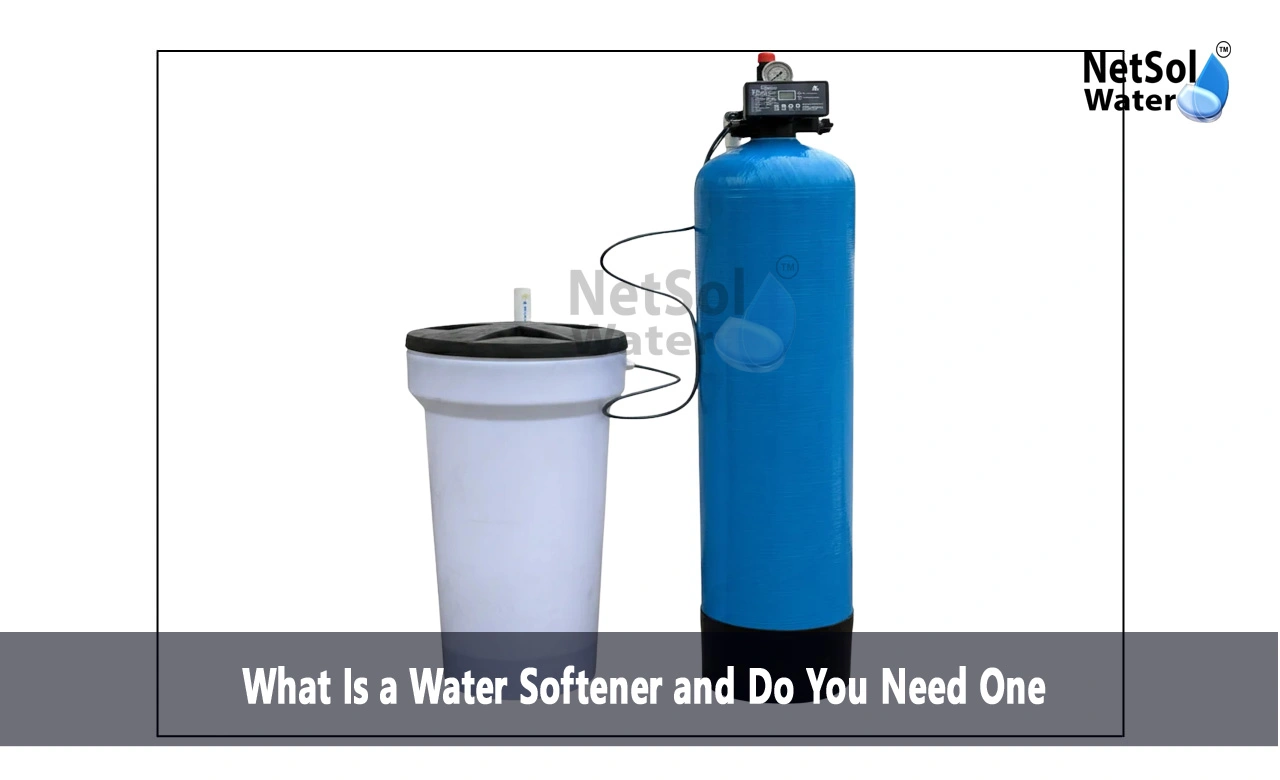
What Is a Water Softener and Do You Need One?
Clean water affects daily life in many ways. When water contains high levels of calcium and magnesium it becomes hard and creates problems inside the home. Hard water leaves stains on sinks and showers and it forms scale inside pipes and appliances. Many homes solve this issue using hard water treatment solutions designed for residential water systems. Over time this buildup can slow water flow and reduce the life of heaters and washing machines. A water softener offers a practical solution to this issue by removing the minerals that cause hardness. When you understand how a water softener works you can decide if it fits your household needs.
How a Water Softener Works?
Water treatment matters when household comfort and appliance life depend on balanced water. Understanding the basic action helps you see why a water softener may matterLet us have a look on some
1: Ion Exchange Process
A typical water softener uses ion exchange to swap hard minerals for sodium or potassium. Hard water passes through a resin tank that holds small beads. These beads attract calcium and magnesium and they release sodium or potassium in exchange. The water that leaves the tank has far fewer hardness minerals. The machine then runs a short cycle to clean the beads so they are ready to work again.
2: Salt and Regeneration Cycle
The softener needs salt to restore the resin beads. When the beads fill with hardness minerals the system flushes them with a concentrated salt solution. This step removes the trapped minerals and sends them away. The device then rinses and refills the tank so it can keep softening water. You will refill the salt or potassium tank as part of normal upkeep.
3: Flow and Capacity
Water softeners come in sizes that match home water use. A device with the right capacity keeps water soft even during heavy use. Choosing the correct size means less frequent regeneration and stable water quality for the whole house.
Signs You Need a Water Softener
Knowing the signs keeps small problems from becoming costly repairs. If you spot these clues you may benefit from a water softener.Let us have a look on some
1: Scale on Fixtures and Appliances
You will see a white film on faucets and showerheads when water has high mineral content. Over time this film hardens into scale and it reduces water flow and heating efficiency. Softened water limits scale and keeps appliances working better.
2: Soap Scum and Dry Skin
Hard water reacts with soap in a way that leaves residue on skin and clothing. You may notice dry skin or dull laundry after washing. A water softener improves soap performance and leaves less residue on skin and fabric.
3: Shorter Appliance Life
Kettles and water heaters fail sooner when scale builds on heating elements. Dishwashers and washing machines may also suffer. Softened water cuts down on scale and can extend the life of these items.
4: Higher Energy Bills
Scale reduces heat transfer in water heaters and boilers. This inefficiency forces appliances to use more energy to reach the same temperature. Soft water helps appliances run with less strain and can reduce energy use.
Types of Water Softeners
Selecting a system that fits your home affects cost and long term results. Different types suit different priorities and budgets.Let us have a look on some
1: Salt-Based Softeners
These are the most common systems. They use ion exchange and a salt tank to remove hardness minerals. They work well for high hardness levels and they regenerate automatically. Users must add salt and allow for periodic maintenance.
2: Salt-Free Conditioners
Salt free devices use a process that conditions minerals so they do not form scale. They do not remove hardness completely but they reduce scale buildup. These units suit homes where salt use or waste water is an issue.
3: Dual Tank Systems
A dual tank setup gives continuous soft water while one tank regenerates. This design suits households with high water demand and it prevents downtime during the regeneration cycle.
4: Magnetic and Electronic Devices
These units expose water to a magnetic or electronic field to alter how minerals behave. The results vary by water chemistry and user reports differ on long term effect. They may work in some settings and they need low maintenance.
Installation and Maintenance
Easy upkeep and correct setup make the system perform well for years. Knowing what to expect prepares you for installation and care.Let us have a look on some
1: Professional Fit and Sizing
A qualified installer checks water hardness and household use before they recommend a size. They place the softener near the main water line and allow space for the salt tank and for service access. Proper sizing avoids frequent regeneration and keeps running costs lower.
2: Routine Salt Check
For salt based models you will add salt on a regular schedule. The salt level and the type of salt impact how well the system regenerates. Users inspect the salt tank and add pellets or blocks as needed.
3: Cleaning and Service
Occasional cleaning prevents salt bridges and protects the resin bed. The resin may last many years but it will need replacement eventually. A service check helps catch leaks and keeps the control valve working well.
4: Warranty and Support
Check the manufacturer warranty and the installer support options. A clear warranty gives extra confidence and makes repairs simpler in the early years.
Cost and Long-Term Value
Cost matters and you may want to compare upfront price with long term savings. A clear view helps you choose the right path. Let us have a look on some
1: Initial Investment
A water softener costs depend on size and type. Salt based systems will often cost more to install than simple conditioners. Dual tank systems will cost more up front but they give continuous soft water. Balance what you pay now with the benefits you expect.
2: Running Costs
Salt based units use salt and water during regeneration. You will factor in salt purchases and a small rise in water use from the regen cycle. Salt free and electronic units have lower running costs but their benefits may differ by location.
3: Savings on Repairs and Energy
Soft water reduces scale and keeps appliances efficient. This effect can lower repair bills and energy use over time. Calculating those savings helps you see payback over the years.
Health and Environmental Notes
Home water treatment can affect health and the environment. Clear facts help you weigh choices for your family and for the planet.Let us have a look on some
1: Sodium in Softened Water
A salt based water softener adds a small amount of sodium to the water. For most people this change remains low. Those on strict sodium restricted diets should consult a health professional. Alternatives like potassium salt or point of use filters can reduce sodium levels.
2: Waste Water and Salt Discharge
Regeneration produces a brine discharge. Local rules and watershed limits may guide where and how you install a softener. Salt free conditioners avoid brine so they appeal where discharge is a concern.
3: Skin and Cleaning Effects
Soft water improves soap rinsing and it leaves less residue on skin and hair. It also helps detergents work better so you may use less product when you switch to softened water.
Conclusion
A water softener can change daily routines and protect home systems over time. It reduces scale on pipes and appliances and it makes cleaning easier for the whole house. If you want a system that matches your water quality and budget get in touch for more details or request a consultation. An expert can test your water and offer clear choices so you find the best fit for your home and needs.
Contact Netsol Water at:
Phone: +91-9650608473, Email: enquiry@netsolwater.com