

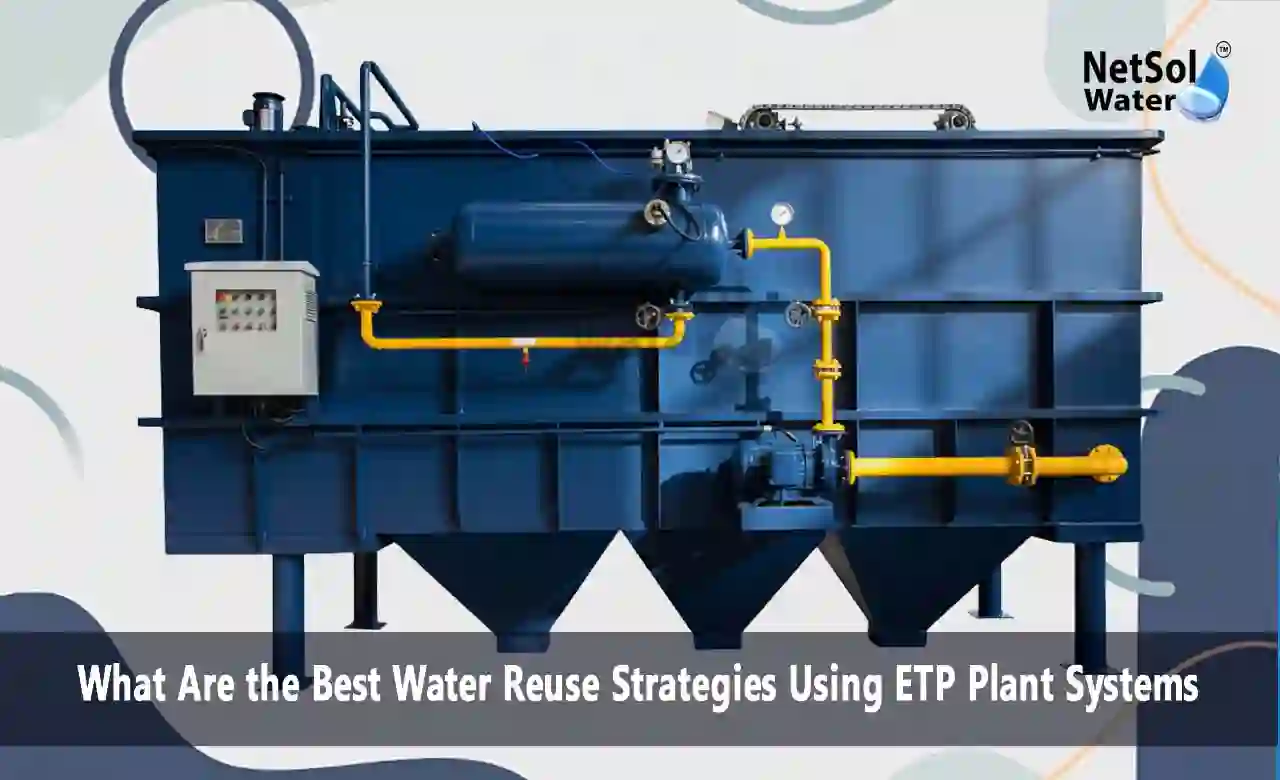
What Are the Best Water Reuse Strategies Using ETP Plant Systems?
Rapid industrial growth, urbanization and the ever-growing demand for water are putting increasing pressure on fresh water supplies. A considerable amount of water is used daily in various industries for manufacturing, cleaning, cooling and processing operations. Environmental laws are meanwhile promoting businesses to conserve water and treat wastewater more responsibly.
Water reuse is one of the most effective strategies to meet these objectives. Rather than releasing treated wastewater, industries can recycle and reuse it for an appropriate purpose. The main component responsible for this process is ETP that removes contaminants and cleans the water to be reused.
By reusing water, the use of fresh water is reduced, operating costs are lower and sustainable industrial operations are ensured.
Water Reuse Strategies using ETPS Systems
1. Reuse Water for Cooling Systems
There are numerous industries that use a significant amount of water in cooling towers and cooling equipment.
Water can be reused after proper treatment for cooling systems from an Effluent Treatment Plant. This decreases fresh water consumption and still allows for effective cooling.
2. Use Treated Water for Equipment Washing
Cleaning is essential for industrial equipment to ensure optimal performance and cleanliness.
Treated water from the ETP can be utilized for washing machinery, production areas and vehicles, rather than fresh water. This will decrease overall water usage without compromising the effectiveness of cleaning.
3. Reuse Water in Manufacturing Processes
There are several industrial processes that do not need potable quality water.
ETP treated water may be recycled for certain manufacturing processes depending on the treatment level. This benefits industries in reducing the amount of freshwater they take in and can help to enhance water management.
4. Landscaping and Gardening
Garden, lawn and green spaces are common at large industrial sites.
Once treated water at the ETP has reached the required quality standards it can be safely used for irrigation and landscaping. This is to conserve precious freshwater.
5. Toilet Flushing
Much of the water consumed by many industries and commercial facilities is used in sanitation.
The recycled water from an Effluent Treatment Plant can be used for flushing toilets instead of treated freshwater which is also used for flushing toilets.
6. Boiler Feed Water After Further Treatment
In order to prevent the occurrence of scale and corrosion, water of good quality is required in boilers.
ETP-treated water may be further treated (reverse osmosis or demineralization) before the treated water is used as feed water for the boiler. This facilitates water re-use and helps against damage to boiler systems.
7. Dust Suppression
Water is frequently used to control dust in industries such as mining, construction, cement, and material handling.
Wastewater can be properly treated to provide dust suppression and reduce the use of fresh water and provide a cleaner work environment.
8. Fire Protection Water Storage
A large number of industrial units have a special water storage capacity for fire protection.
Recycled water may be stored for fire protection when suitable and allowed after proper treatment, to conserve water supplies.
9. Groundwater Recharge
Treated water quality that is consistent with environmental requirements may be able to provide recharge opportunities in some instances.
When conducted in accordance with regulatory requirements, this practice can also help restore underground water reserves and is a measure towards water conservation in the long term.
10. Promote ZLD systems
The number of industries using Zero Liquid Discharge (ZLD) systems to reduce the amount of water that is sent to a landfill is increasing.
An Effluent Treatment Plant is an integral component of ZLD as it treats the wastewater prior to further water recovery. This method enables industries to get the most out of the water as well as minimize wastage.
11. Integrate ETP with Industrial RO Plants
Many industries are using Effluent Treatment Plants in combination with Industrial RO Plants.
The ETP eliminates the key pollutants and the RO system is further used to clean the treated water for industrial use. This is to improve the water recovery and reduce the requirement for fresh water.
12. Monitor Water Quality Regularly
Consistent water quality is crucial to successful water reuse.
Testing of various parameters like pH, TDS, COD, BOD and suspended solids is conducted on a regular basis to ensure water treated is suitable for re-use.
Water Reuse Effluent Treatment Plant Systems Advantages
1. Reduce Freshwater Consumption
Using treated water reduces the reliance on rivers, lakes and groundwater resources.
This is particularly true in water-scarce areas.
2. Lower Operating Costs
The reduction in fresh water purchasing costs and waste water discharge costs are benefits of using recycled water.
Water efficiency is a cost-saving benefit for industries over time.
3. Improve Environmental Compliance
By minimizing effluents and promoting good resource management, water reuse helps to comply with environmental regulations.
4. Support Sustainable Manufacturing
Adopting water recycling helps industry save natural resources and minimize its environmental footprint.
This helps the company achieve its sustainability goals for the long term, and enhances corporate environmental performance.
5. Increase Water Availability
Seasonal water shortages or restrictions on water supply are less of an issue for industries with a water reuse system in place.
This keeps the production continuously running.
Challenges in Water Reuse
Water reuse initiatives can present several challenges to industries such as:
· Changes in the quality of wastewater
· Initial investment costs
· Regular system maintenance
· The rules for monitoring water quality.
· Choosing the right treatment technology
Proper planning and regular maintenance help overcome these challenges.
Conclusion
Reuse of water has become a fundamental component of the water management in modern industry. Effluent Treatment Plant are used to purify wastewater for reuse in many non-potable applications such as cooling, cleaning equipment, manufacturing, landscaping, flushing toilets and many others.
The use of the efficient treatment processes along with frequent monitoring and maintenance, can help industries minimize their fresh water usage, reduce operational expenses, enhance environmental adherence, and promote sustainable manufacturing. Water is becoming a very valuable resource and water reuse will remain a significant part of responsible industrial operations in the future through Effluent Treatment Plant systems.
Do you need an advice or assistance on selecting the best water and waste water treatment unit? We have solutions for all your problems!
Let us know your problem, our experts will make sure that it goes away.
For an assistance or related query,
Call on +91-9650608473 Or write us at enquiry@netsolwater.com