

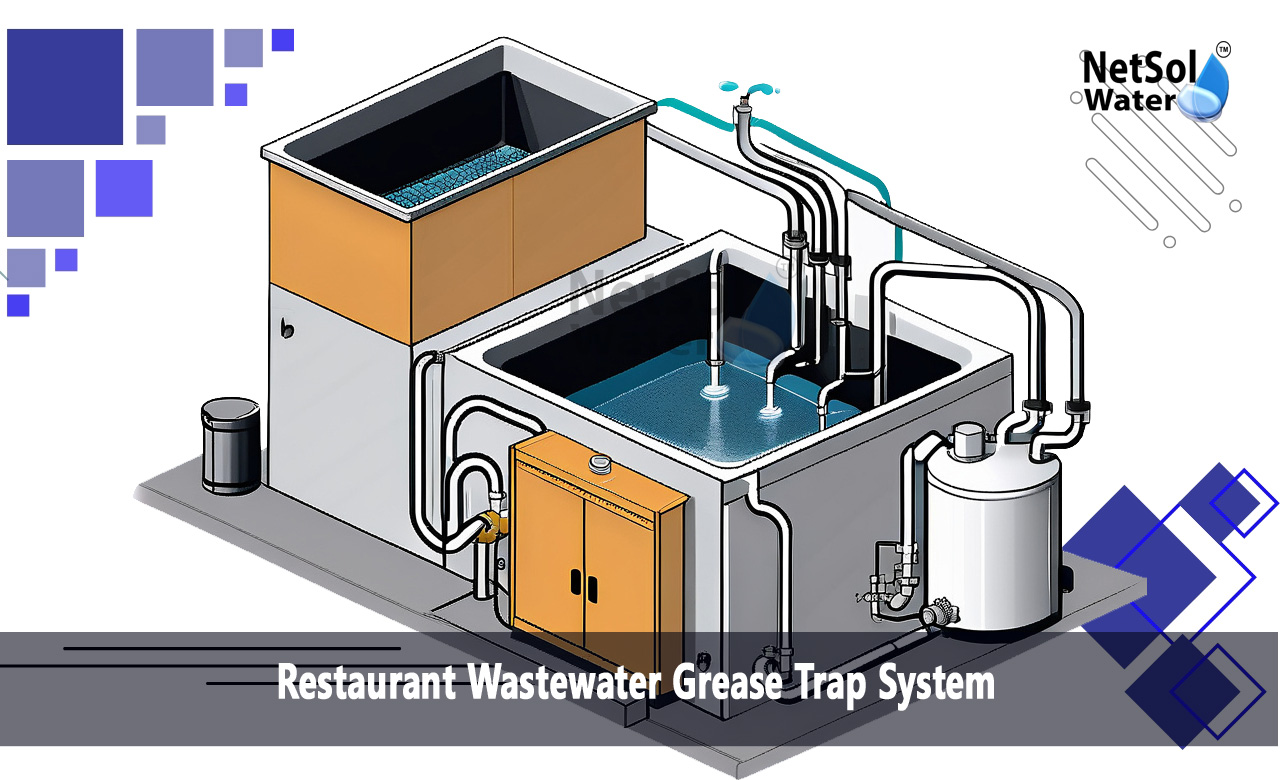
How to Work Restaurant Wastewater Grease Trap System?
Food, cooking, washing, and cleaning processes also lead to the production of wastewater which is full of food particles, oils, fats, and grease in restaurants. When this wastewater flows in the drainage system it is untreated this may lead to serious problems and issues like blocked pipelines, bad smells, blocked sewers in a municipality and environmental damage. Agreements To manage such issues, a restaurant wastewater grease trap system is installed. It removes fats, oils, and grease (FOG) of the wastewater before it gets into the central sewer line. This system is an essential component of any food service restaurant since it provides hygiene, seamless running of the business and adherence to environmental laws.
Why Restaurants require Grease Tap System?
Kitchen effluents have large contents of fats, oils and greases. Once this FOG is cooled, it will solidify and be attached to the walls of the pipes and drains. In the long run, this results in severe plumbing problems, costly repairs and sewer line blockage. A grease trap is useful in avoiding such cases. It guarantees the safe disposal of grease, the protection of the plumbing system, the minimization of the odor issues, and the environmentally friendly working environment. Grease taps are also required in many municipalities on food establishment.
The Working of a Restaurant Grease Tap
A grease tap retards the movement of wastewater, which enables FOG to accumulate to the surface with solids depositing at the bottom. The upper water with increased purity in its lower layer moves to the sewer system. The caught grease and solid waste are trapped in the chamber and should be emptied on a regular basis. This easy isolation process eliminates the chances of FOG flowing into drainage systems and minimizes chances of system breakdown.
Components of a Grease Tap System
A common restaurant wastewater grease trap system has a number of significant components:
· Inlet pipe: It directs the waste of sinks and dishwashers into the tap.
· Separation chamber: Stores the wastewater to a sufficient time to allow grease to rise to the surface and solids to settle.
· Baffle walls: Reduce velocity and augment separation power.
· Grease collection layer: Retention of oils and fats.
· Outlet pipe: Sewer releases treated water.
· Cover Access: Cleaning and maintenance.
These components collaborate to achieve successful separation of FOG.
Grease Tap System Types in restaurants
Passive Grease Traps
They are plain units, typically placed in the area under the sinks, or in the vicinity of dishwashing. They are dependent on gravity segregation and to be frequently cleaned by hand.
Automatic Grease Removal Units (GRUs)
These systems are automated to use mechanical skimmers to collect floating grease into external containers. They are effective, cut down manual work and are more hygienic.
Outdoor Grease Interceptors that are large
They are appropriate in large restaurants and commercial kitchens and can be installed underground and have a high capacity to receive high amounts of wastewater.
Installation Considerations
Restaurants need to take into account:
· Kitchen size and amount of wastewater.
· Food (greasy foods take up more area in traps)
· Positioning of the trap in areas of easy access.
· On-site laws on capacity and discharge restrictions.
· Construction material, i.e. stainless steel, FRP or HDPE.
Properly installed and adequately sized unit will prevent back flow, it will work efficiently.
Maintenance Requirements
Grease tabs need to be cleaned on a regular basis. As they are not maintained, they are easily filled causing blockages, foulness and contamination. The routine service involves:
· Eliminating the accretion of FOG at the surface.
· Removal of bottom solids through cleaning.
· Washing internal surfaces
· Checking baffles and seals
· There is no leakage or corrosion.
Restaurants need to adhere to cleaning schedule depending on the workload and the type of cuisine per day.
The Advantages of a Grease Tap System in Restaurants
Installation of grease trap has numerous benefits:
· Eliminates blockages of the drain and expensive plumbing repair.
· Enhances the hygiene of the kitchen.
· Cleans the sewer lines and avoids environmental degradation.
· Assures that municipal wastewater policies are adhered to.
· Promotes the green agenda by enabling safe disposal of grease.
· Less time off due to kitchen drainage problems.
These are some of the advantages of having grease tabs to facilitate the running of the restaurant.
Environmental Impact
Grease tabs also contribute significantly towards environmental protection. As FOG gets into the water bodies, it creates a layer that depletes oxygen and kills the aquatic animals. This pollution is avoided by proper separation of FOG. It also contributes towards decreasing the burden on sewage treatment plants and aids in keeping cleaner water systems in cities.
Conclusion
A restaurant wastewater grease trap system is an essential element to a commercial kitchen. It is used to separate fats, oils and grease with wastewater, protect drainage systems, enhance hygiene, and facilitate environmental standards. Grease taps will facilitate the general running of the kitchen with proper installation, cleaning, and proper maintenance, which will help in maintaining a cleaner environment. To achieve greater sustainability and minimize plumbing complications, installing a high-quality grease tap system is a rational and required choice of restaurants.
Do you need an advice or assistance on selecting the best water and waste water treatment unit? We have solutions for all your problems!
Let us know your problem, our experts will make sure that it goes away.
For an assistance or related query,
Call on +91-9650608473 Or write us at enquiry@netsolwater.com