How to Select the Perfect Industrial RO Plant for Your Factory?
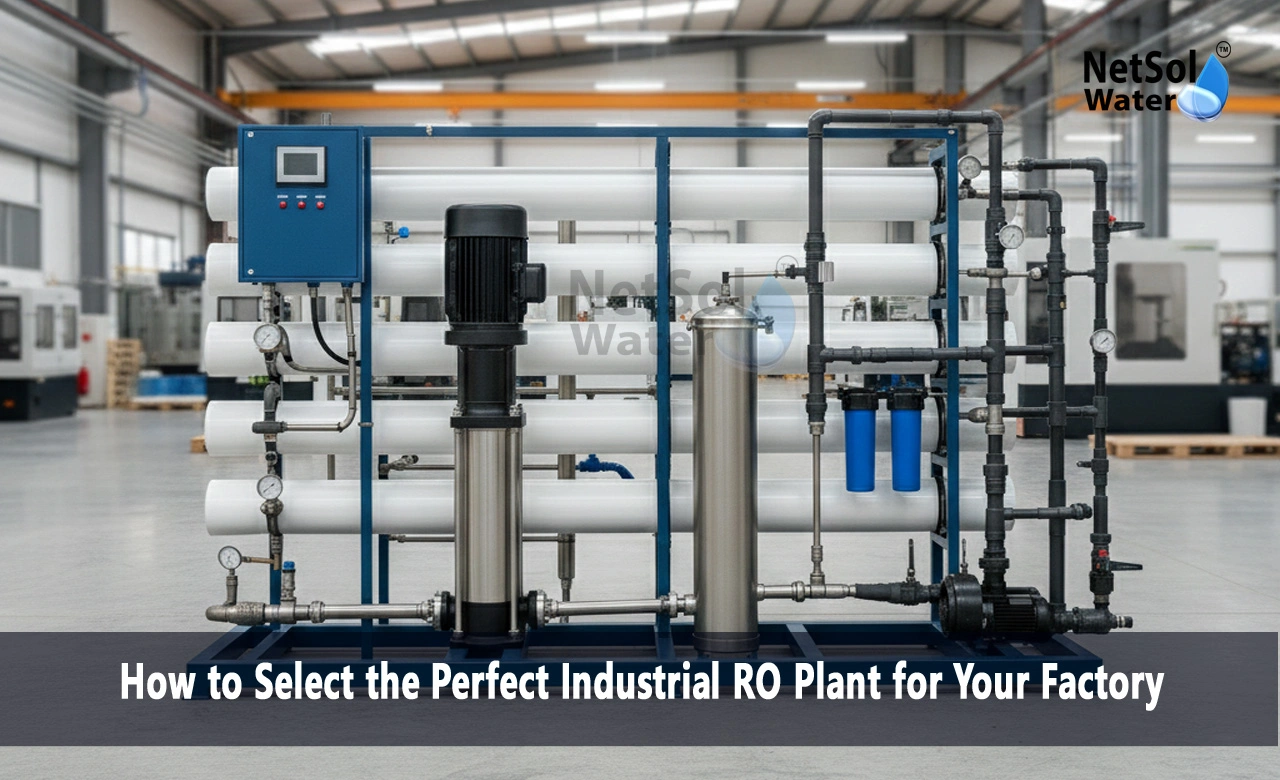
Selecting the right Industrial RO plant makes a big difference in factory operations. The wrong choice leads to increased costs poor performance and production issues. A well-chosen system enhances productivity saves money and ensures consistent water quality.
Industrial RO plants serve as the backbone of many manufacturing processes. They remove impurities from water to create pure water for production needs. Each factory has unique requirements for water quality and quantity. The RO plant must match these specific needs. Modern industrial RO plants offer various features and capabilities. Understanding these options helps you make the best choice.
The selection process involves several key factors. Water quality requirements production volume and available space affect your decision. Budget considerations also play an important role. This guide walks you through the essential aspects of choosing an industrial RO plant. We'll explore what matters most for your factory's success.
Let's discover how to select the perfect industrial RO plant for your needs.
Understanding Your Water Treatment Requirements
Water treatment needs differ across industries. A thorough analysis of your requirements ensures you choose the right system. This step forms the foundation of your selection process. Here's what to consider:
1: Water Quality Analysis
Test your source water quality. Different contaminants need different treatment approaches. The analysis reveals what your RO plant must handle. This information guides system specifications.
2: Production Requirements
Calculate your daily water needs. Include peak usage periods in your assessment. Consider future expansion plans. Your RO plant should meet both current and future demands.
3: Quality Standards
Know the water quality standards for your industry. Food production needs different standards than electronics manufacturing. Your RO system must deliver water that meets these requirements. Consider all quality parameters for your processes.
Technical Specifications and System Design
The technical aspects of an industrial RO plant determine its performance. Understanding these specifications helps you make informed decisions. The right design ensures optimal operation. Consider these technical factors:
1: Membrane Selection
Different membranes suit different applications. Some handle high temperatures better. Others work best with specific contaminants. Choose membranes that match your water treatment needs. This ensures better performance and longer system life.
2: System Configuration
Single-pass or multiple-pass systems offer different benefits. Your water quality needs determine the best configuration. The setup affects both cost and performance. Choose a configuration that balances these factors.
3: Automation Level
Modern RO plants offer various automation options. Automated systems reduce operator workload. They also ensure consistent performance. Select automation features that benefit your operation.
Operational Considerations and Support
Daily operation affects the success of your RO plant. Consider how the system will work in your factory. Good support ensures smooth operation. Examine these operational factors:
1: Space Requirements
RO plants need adequate space for operation. Include room for maintenance access. Consider future expansion possibilities. The layout should work with your factory floor plan.
2: Power Consumption
Energy efficiency affects operating costs. Compare power usage between different systems. Look for energy-saving features. This impacts your long-term expenses.
3: Maintenance Needs
Simple maintenance procedures save time and money. Check the maintenance schedule requirements. Consider the availability of spare parts. Easy maintenance keeps your system running smoothly.
Cost Analysis and ROI
Investment in an industrial RO plant needs careful financial planning. The initial price tells only part of the story. Consider all costs for accurate comparison.
Evaluate these financial aspects:
1: Installation Costs
Include site preparation expenses. Factor in piping and electrical work. Consider training costs for operators. The total installation cost affects your budget planning.
2: Operating Expenses
Calculate monthly power consumption costs. Include chemical and maintenance expenses. Consider labor costs for operation. These expenses affect your total cost of ownership.
3: Long-term Value
Consider system lifespan expectations. Factor in warranty coverage. Look at upgrade possibilities. These elements affect your return on investment.
Supplier Evaluation and Support Services
The right supplier partnership improves your RO system success. Good support services help maintain optimal performance. Choose suppliers with proven track records.
Look for these supplier qualities:
1: Technical Expertise
Check the supplier's experience in your industry. Evaluate their technical knowledge. Look at their problem-solving capabilities. Good technical support prevents operational issues.
2: Service Network
Check local service availability. Look for quick response capabilities. Consider spare parts availability. Good service support minimizes downtime.
3: Training Programs
Evaluate operator training options. Look for ongoing technical support. Consider troubleshooting guidance. Good training improves system operation.
Make the Right Choice for Your Industrial RO Plant
Selecting the perfect industrial RO plant requires careful consideration. Each factor contributes to your system's success. The right choice brings lasting benefits to your factory.
Need help to choose your industrial RO plant? Our experts at Netsol Water will guide you through the selection process. We'll help you find the perfect system for your needs.
Contact us today to start your industrial RO plant selection process. Let's ensure your factory gets the best water treatment solution.
Contact Netsol Water at:
Phone: +91-965-060-8473, Email: enquiry@netsolwater.com