

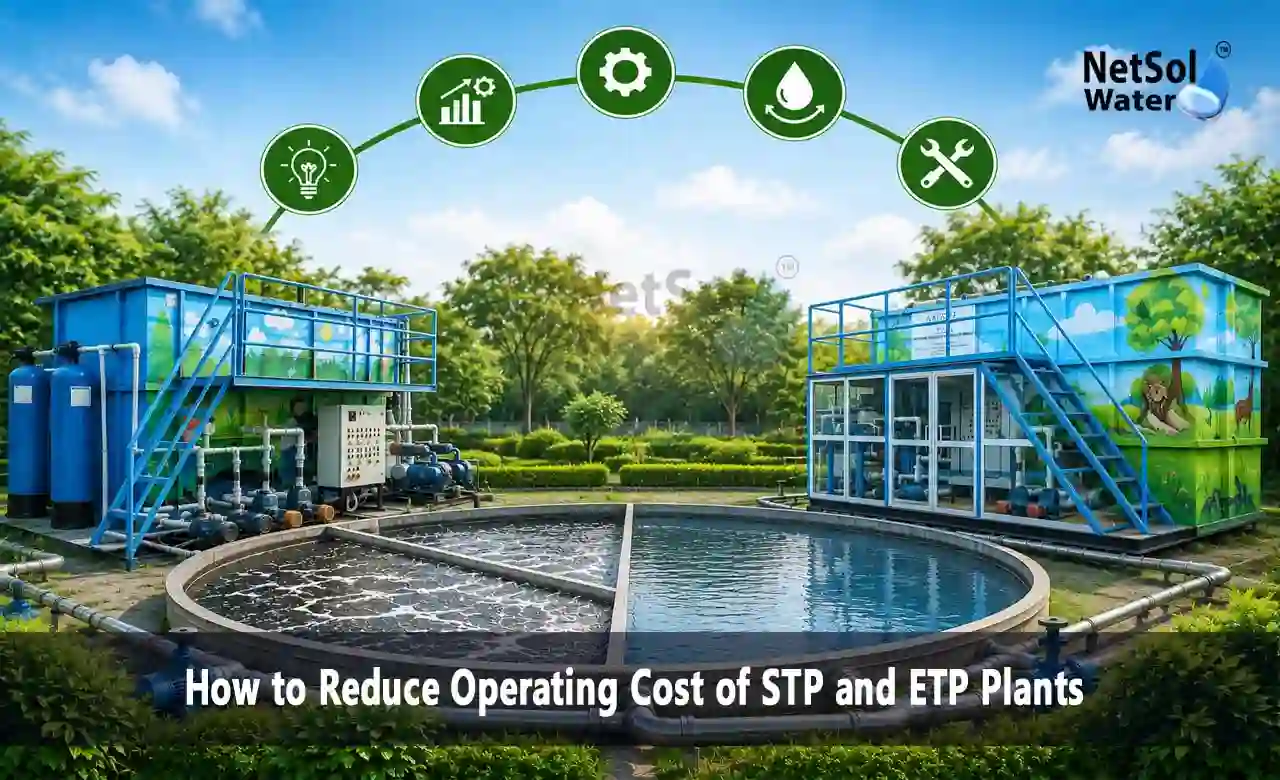
How to Reduce STP & ETP Operating Costs?
Anyone who’s actually run an STP or ETP for a few years knows the real story never matches the brochure. The installation cost gets all the attention during planning, but it’s the electricity bill, the chemical drums, and the maintenance calls that quietly eat into a facility’s budget month after month, year after year. And here’s the thing, most of that spend isn’t fixed. A huge chunk of it comes down to how well the plant is actually being run, not just how it was built.
This is written for the people who deal with this daily, plant operators, facility managers, sustainability teams trying to make sense of a cost sheet that keeps climbing even though nothing’s technically broken. What follows are twenty practical, engineering-backed ways to bring operating costs down, some of them nearly free to implement, others needing a bit of investment that pays for itself within a year or two.
Why Operating Costs Quietly Spiral Out of Control?
Before jumping into fixes, it helps to understand why costs creep up in the first place. Most STPs and ETPs get designed for a certain load, and that load rarely stays exactly where it was on day one. Occupancy changes, production volumes shift, and equipment ages. What was efficient at commissioning slowly becomes wasteful, and because none of this happens dramatically, it’s easy to miss until someone actually sits down and studies the numbers properly.
Electricity alone typically makes up the single largest chunk of running costs for both STP and ETP, largely because aeration and pumping run almost continuously. Chemicals come next, followed by sludge handling and routine maintenance. Get a handle on these four areas, and the rest tends to fall into place naturally.
The Four Major Operating Cost Areas
| # | Cost Area | Why It Adds Up |
|---|---|---|
| 1 | Electricity | Largest single cost driver — mainly aeration (blowers) and pumping, which run almost continuously. |
| 2 | Chemicals | Second biggest cost area; often inflated by overdosing based on estimates rather than real water quality data. |
| 3 | Sludge Handling | Disposal charges scale directly with sludge volume generated during treatment. |
| 4 | Routine Maintenance | Covers repairs, spare parts, and manpower; reactive repairs cost far more than preventive upkeep. |
Quick Reference - All 20 Techniques at a Glance
| # | Technique | Core Idea |
|---|---|---|
| 1 | Blower Optimization | Switch to demand-based blower operation instead of fixed-speed running. |
| 2 | Pump Efficiency Checks | Audit power draw vs. output, fix worn impellers, strainers, and alignment. |
| 3 | Automation for Consistent Operation | Automate flow, DO, pH, and dosing control instead of manual monitoring. |
| 4 | Dissolved Oxygen (DO) Control | Use DO sensors tied to blower control to maintain minimum effective DO. |
| 5 | Variable Frequency Drives (VFDs) | Match motor speed to real demand for blowers, pumps, and agitators. |
| 6 | Chemical Dosing Optimization | Move from schedule-based to sensor-based dosing. |
| 7 | Sludge Reduction Techniques | Optimize biological process and F/M ratio to cut sludge at the source. |
| 8 | Preventive Maintenance | Follow a structured maintenance calendar instead of reactive repairs. |
| 9 | Energy Audits | Measure actual consumption to identify the real areas of energy waste. |
| 10 | Right-Sizing Equipment | Match pump/blower capacity to actual load rather than future estimates. |
| 11 | Reducing Aeration Tank Short-Circuiting | Improve diffuser placement and baffling for even flow distribution. |
| 12 | Optimizing RAS Rates | Adjust return activated sludge rates based on current settling characteristics. |
| 13 | Managing Peak Demand Charges | Stagger non-critical equipment to off-peak hours to cut demand charges. |
| 14 | Membrane and Filter Maintenance | Follow performance-based cleaning schedules to prevent fouling. |
| 15 | Leak Detection (Air & Water Lines) | Run periodic leak checks on air fittings and process lines. |
| 16 | Staff Training on Process Understanding | Train operators to reduce overdosing and unnecessary adjustments. |
| 17 | Real-Time Monitoring Dashboards | Consolidate key parameters so trends and inefficiencies are detected early. |
| 18 | Reviewing Chemical Supplier Contracts | Benchmark pricing against market rates periodically. |
| 19 | Water Reuse to Offset Fresh Water Costs | Reuse treated water for non-sensitive applications on site. |
| 20 | Scheduled Third-Party Performance Reviews | Get periodic independent manufacturer reviews to catch missed inefficiencies. |
1. Blower Optimization
. Why Blowers Waste So Much Energy?
Blowers supplying oxygen for biological treatment are usually the single biggest power consumer in STP. Most older systems run blowers at a fixed speed regardless of actual oxygen demand, which means they’re often pushing far more air than the biological process actually needs, especially during low load periods overnight or on weekends.
. The Fix That Actually Works
Switching to demand based blower operation, where output adjusts according to real time oxygen requirements rather than running flat out constantly, cuts blower related electricity use significantly. Facilities that made this switch often see blower power consumption drop by a meaningful margin within the first few months, simply because the blower stops working harder than the biology actually requires.
2. Pump Efficiency Checks
. The Silent Energy Drain
Pumps that have been running for years without a proper efficiency check often operate well below their original rated performance. Worn impellers, clogged strainers, and misaligned couplings all force a pump to draw more power just to deliver the same output it used to manage effortlessly.
. What Regular Checks Reveal
A simple efficiency audit, comparing actual power draw against expected output for a given flow rate, often uncovers pumps quietly wasting power without anyone noticing. Replacing worn components or correcting alignment issues on underperforming pumps is usually a low cost fix with a fast payback period.
3. Automation for Consistent Operation
. Manual Monitoring Has Real Limits
Plants relying entirely on manual monitoring tend to run less efficiently simply because humans can’t watch every parameter around the clock. Night shifts and weekends especially see inconsistent oversight, leading to either overtreatment, wasting chemicals and energy, or undertreatment, risking compliance issues.
. How Automation Changes the Picture?
Automated control systems that continuously track flow, dissolved oxygen, pH, and chemical dosing adjust in real time rather than waiting for a manual check. This consistency alone often reduces both energy and chemical waste considerably, since the system responds to actual conditions rather than a fixed schedule that doesn’t account for daily fluctuations.
4. Dissolved Oxygen (DO) Control
. Why DO Levels Matter So Much?
Dissolved oxygen is the parameter most directly tied to blower energy use. Running DO levels higher than necessary wastes electricity for no real treatment benefit, while running them too low risks incomplete treatment and potential compliance failures.
. Getting the Balance Right
Installing proper DO sensors and tying them into blower control lets a plant maintain the minimum DO level needed for effective treatment, rather than defaulting to a conservative, energy heavy setpoint out of caution. Facilities that fine tune this balance properly often find substantial energy savings sitting in what seemed like a minor calibration issue.
5. Variable Frequency Drives (VFDs)
. The Problem With Fixed Speed Motors
Motors running at a constant fixed speed regardless of actual demand are inherently wasteful. Whether it’s a blower, pump, or agitator, most equipment doesn’t need to run at full capacity all the time, and forcing it to do so burns unnecessary electricity.
. What VFDs Actually Do?
A Variable Frequency Drive adjusts motor speed to match real demand, slowing down during low load periods and ramping up only when needed. For equipment that runs continuously, like blowers and main process pumps, VFDs often deliver some of the fastest payback of any single upgrade on this entire list, frequently recovering their installation cost within one to two years through electricity savings alone.
6. Chemical Dosing Optimization
. Overdosing Is More Common Than People Think
Many plants dose chemicals based on rough estimates or outdated calibration rather than actual water quality readings. This almost always means overdosing to stay on the safe side, which wastes chemical and sometimes creates its own treatment problems downstream.
. Precision Dosing Based on Real Data
Tying chemical dosing systems to actual water quality sensors, rather than a fixed schedule, means chemicals get used only when and where they’re actually needed. Facilities that move from schedule based dosing to sensor based dosing typically see meaningful reductions in chemical consumption without any drop in treatment quality.
7. Sludge Reduction Techniques
. Why Sludge Costs Add Up Fast?
Sludge disposal charges are often treated as a fixed, unavoidable cost, but the actual volume of sludge generated depends heavily on how the treatment process is run. Excess sludge means more frequent removal, higher disposal charges, and more manpower spent managing it.
. Cutting Sludge at the Source
Optimizing the biological process to minimize excess sludge production, sometimes through better aeration control or adjusting the food to microorganism ratio, reduces sludge volume at its source rather than just managing the output after the fact. Sludge dewatering equipment, when properly maintained and correctly sized, also reduces the volume that needs transporting off site, cutting disposal costs directly.
8. Preventive Maintenance Over Reactive Repairs
. The Real Cost of Waiting for Failure
Plants that wait for equipment to fail before addressing problems almost always pay more in the long run. A pump that fails suddenly costs far more to fix than one that gets a worn seal replaced during a scheduled check, both in repair cost and in the production or compliance disruption caused by unplanned downtime.
. Building a Simple Maintenance Calendar
A structured preventive maintenance schedule, covering regular inspection of pumps, blowers, sensors, and dosing equipment, catches small issues before they become expensive ones. This doesn’t need to be complicated, a simple calendar tracking what needs checking and when, consistently followed, prevents the vast majority of unplanned equipment failures.
9. Energy Audits as a Starting Point
. Why Guessing Doesn’t Work?
Most facilities have a rough sense of where their electricity goes, but a rough sense isn’t enough to make real decisions about where to invest in efficiency upgrades. Without actual measurement, it’s easy to spend money fixing the wrong problem while the real energy drain sits somewhere unexamined.
. What a Proper Audit Reveals?
A structured energy audit, measuring actual consumption across blowers, pumps, and other major equipment, usually reveals two or three areas responsible for the bulk of energy waste. Facilities are often surprised to find that a single piece of equipment, sometimes an old, oversized pump running well below its efficient operating range, accounts for a disproportionate share of the electricity bill.
10. Right Sizing Equipment to Actual Load
. Oversizing Is a Quiet, Ongoing Cost
A pump or blower sized for future capacity that hasn’t materialized yet often runs inefficiently at partial load for years. Equipment operating well below its designed capacity typically does so at poor efficiency, burning more power per unit of output than a properly sized unit would.
. Matching Equipment to Real Demand
Reviewing actual load data against installed equipment capacity sometimes reveals a mismatch worth correcting, either through smaller impellers, trimmed equipment, or in some cases, replacing oversized units with correctly sized ones. This isn’t always necessary, but where the gap is significant, it’s often one of the more impactful fixes available.
11. Reducing Aeration Tank Short Circuiting
. A Hidden Efficiency Problem
Poor flow distribution within aeration tanks means some areas get more oxygen than needed while others get less, forcing the overall system to run harder to compensate for uneven treatment across the tank.
. Improving Flow Distribution
Adjusting diffuser placement or tank baffling to ensure more even flow distribution improves treatment efficiency without necessarily increasing total air supplied. This is a relatively low cost fix that often gets overlooked simply because it requires a closer look at tank hydraulics rather than equipment upgrades.
12. Optimizing Return Activated Sludge (RAS) Rates
. Running RAS Pumps Harder Than Necessary
Return activated sludge rates set too high waste pumping energy without improving treatment performance, while rates set too low can affect biological treatment quality. Many plants run RAS at a fixed rate set during commissioning years ago, without revisiting whether that rate still matches current conditions.
. Adjusting Based on Actual Performance
Reviewing RAS rates against current sludge settling characteristics and adjusting accordingly often allows for reduced pumping energy while maintaining or even improving treatment consistency.
13. Managing Peak Demand Charges
. Electricity Costs Aren’t Just About Total Usage
Many industrial electricity tariffs include demand charges based on peak usage, not just total consumption. A plant that runs multiple high load pieces of equipment simultaneously during certain hours can end up paying a premium for that peak demand, even if total monthly consumption isn’t unusually high.
. Staggering Equipment Operation
Scheduling non critical equipment, like certain sludge handling processes, to run during off peak hours rather than overlapping with other high demand equipment can meaningfully reduce peak demand charges without affecting treatment quality at all.
14. Membrane and Filter Maintenance
. Fouled Membranes Waste Energy Too
For plants using membrane based treatment stages, fouled or scaled membranes force pumps to work harder to maintain flow, directly increasing energy consumption. This is a cost that creeps up gradually and often gets attributed to general aging rather than a specific, fixable maintenance issue.
. Staying Ahead of Fouling
Following a proper cleaning schedule based on actual performance data, rather than waiting until flow drops noticeably, keeps membranes operating efficiently and avoids the compounding energy cost of pushing water through an increasingly fouled system.
15. Leak Detection in Air and Water Lines
. Small Leaks, Real Costs
Air leaks in blower piping and water leaks in process lines are easy to overlook because they rarely cause an obvious problem. But a continuous small leak in a compressed air line, for instance, means the blower has to work harder to maintain system pressure, burning extra electricity around the clock for a problem that could be a simple gasket replacement.
. Building in Regular Leak Checks
Periodic leak detection checks, even something as simple as a soap solution test on air fittings, catch these small losses before they add up into a meaningful chunk of the electricity bill over a year.
16. Staff Training on Process Understanding
. Why Training Reduces Costs Directly?
Operators who genuinely understand the biological and chemical processes behind treatment make better real time decisions than those simply following a fixed checklist without understanding why each step matters. This shows up directly in reduced chemical overdosing, faster identification of developing problems, and fewer unnecessary equipment adjustments made out of uncertainty.
. Building Internal Knowledge Over Time
Investing in proper training, whether through the equipment manufacturer or dedicated technical sessions, pays back through fewer operational mistakes and faster response to early warning signs that a less trained team might miss entirely.
17. Using Real Time Monitoring Dashboards
. Data Sitting Unused Is a Missed Opportunity
Many modern plants already collect plenty of sensor data, but if nobody’s actually reviewing it regularly, that data isn’t doing much good. Problems that could be caught early through trend analysis often only get noticed once they’ve become visible operational issues.
. Turning Data Into Action
A simple dashboard that consolidates key parameters, energy consumption, chemical usage, flow rates, in one place makes it far easier for facility teams to spot trends and catch developing inefficiencies before they become expensive problems.
18. Reviewing Chemical Supplier Contracts
. Cost Isn’t Just About Consumption
Beyond how much chemical gets used, the price paid per unit matters just as much. Facilities that haven’t reviewed their chemical supply contracts in years sometimes find they’re paying above current market rates simply because nobody revisited the agreement.
. Periodic Contract Reviews
Comparing current chemical costs against market rates every year or two, and renegotiating where there’s a clear gap, is a straightforward way to reduce costs without touching the treatment process at all.
19. Water Reuse to Offset Fresh Water Costs
. Treated Water Has Real Value
Facilities that discharge all their treated output rather than reusing any of it are essentially throwing away water that could offset fresh water procurement costs elsewhere on site, for landscaping, flushing, or in some cases, process water depending on quality.
. Building Reuse Into the Operating Model
Even modest reuse of treated water for non sensitive applications reduces a facility’s overall fresh water bill, turning what was previously pure discharge into a partial cost offset that adds up meaningfully over a year.
20. Scheduled Third Party Performance Reviews
. An Outside Perspective Catches What’s Missed Internally
Facility teams running the same plant day after day sometimes miss inefficiencies simply because they’ve become normal. A fresh set of eyes, whether from the original manufacturer or an independent technical reviewer, often spots optimization opportunities that internal teams have stopped noticing.
. Building This Into Annual Planning
Scheduling a periodic third party review, even just once a year, alongside routine internal maintenance, helps catch the kind of creeping inefficiency that builds up slowly enough to go unnoticed without a structured check.
Real Savings Examples Worth Knowing About
Numbers vary a lot depending on plant size, technology, and how far a facility was from optimized operation to begin with, but a few patterns show up consistently across real world cases.
Facilities that install VFDs on major blowers and pumps commonly report electricity savings in the range of twenty to thirty percent on those specific components, with payback periods often under two years. Plants switching from fixed schedule chemical dosing to sensor based dosing frequently report chemical cost reductions in the range of fifteen to twenty five percent, since overdosing tends to be a bigger problem than most facilities initially assume. Sludge management improvements, particularly better dewatering and optimized biological process control, have helped some facilities cut sludge disposal volumes by a meaningful margin, directly reducing both transport and disposal charges.
Typical Savings by Technique
| Technique | Typical Savings Range | Typical Payback |
|---|---|---|
| VFDs on major blowers/pumps | 20%–30% electricity savings on those components | Typically under 2 years |
| Sensor-based chemical dosing (vs. fixed schedule) | 15%–25% reduction in chemical cost | Varies by facility |
| Improved sludge management (dewatering + process control) | Meaningful reduction in sludge disposal volume | Varies by facility |
These figures should be treated as planning ranges rather than guaranteed outcomes, since actual results depend heavily on a facility’s starting point and how thoroughly each technique gets implemented. That said, facilities combining even four or five of the techniques above, rather than picking just one, tend to see the most meaningful overall reduction in running costs.
Where to Start If This Feels Overwhelming?
Twenty techniques is a lot to take in at once, and no facility needs to tackle all of them simultaneously. A sensible starting point is a proper energy audit, since that immediately shows which two or three areas are responsible for the bulk of unnecessary spending. From there, blower optimization, VFD installation, and chemical dosing adjustments tend to offer the fastest and most visible returns, making them a practical place to focus first before moving on to the smaller, cumulative fixes further down this list.
The plants that manage to bring their operating costs down meaningfully aren’t usually the ones that made one dramatic change. They’re the ones that treated cost reduction as an ongoing practice, checking in regularly, adjusting based on actual data, and not letting small inefficiencies sit unaddressed simply because nothing was technically broken.
Getting the Right Support Behind These Changes
Implementing even a handful of these techniques properly usually benefits from having a manufacturer or technical partner who actually understands your specific plant, not just generic advice pulled from a manual. Whether it’s calibrating DO sensors correctly, sizing a VFD to match actual load, or reviewing chemical dosing against real water quality data, getting these details right the first time saves a lot of trial and error down the line.
This is exactly the kind of support Netsol Water brings to facilities looking to bring their STP and ETPrunning costs under control. Rather than just installing equipment and stepping away, the focus stays on understanding how a specific plant actually operates day to day, where the real inefficiencies are hiding, and which of these techniques will genuinely move the needle for that particular setup. From energy audits through blower and pump optimization to sludge management improvements, the goal is always a plant that runs efficiently for years, not just one that looks good on the day it’s commissioned.
If your STP or ETP has been running the same way for a few years without a proper review, there’s a good chance some of these twenty techniques could bring your operating costs down meaningfully. Getting in touch with Netsol Water for a proper site assessment is a practical first step toward figuring out exactly where those savings are sitting in your specific setup, rather than guessing based on general industry figures.