

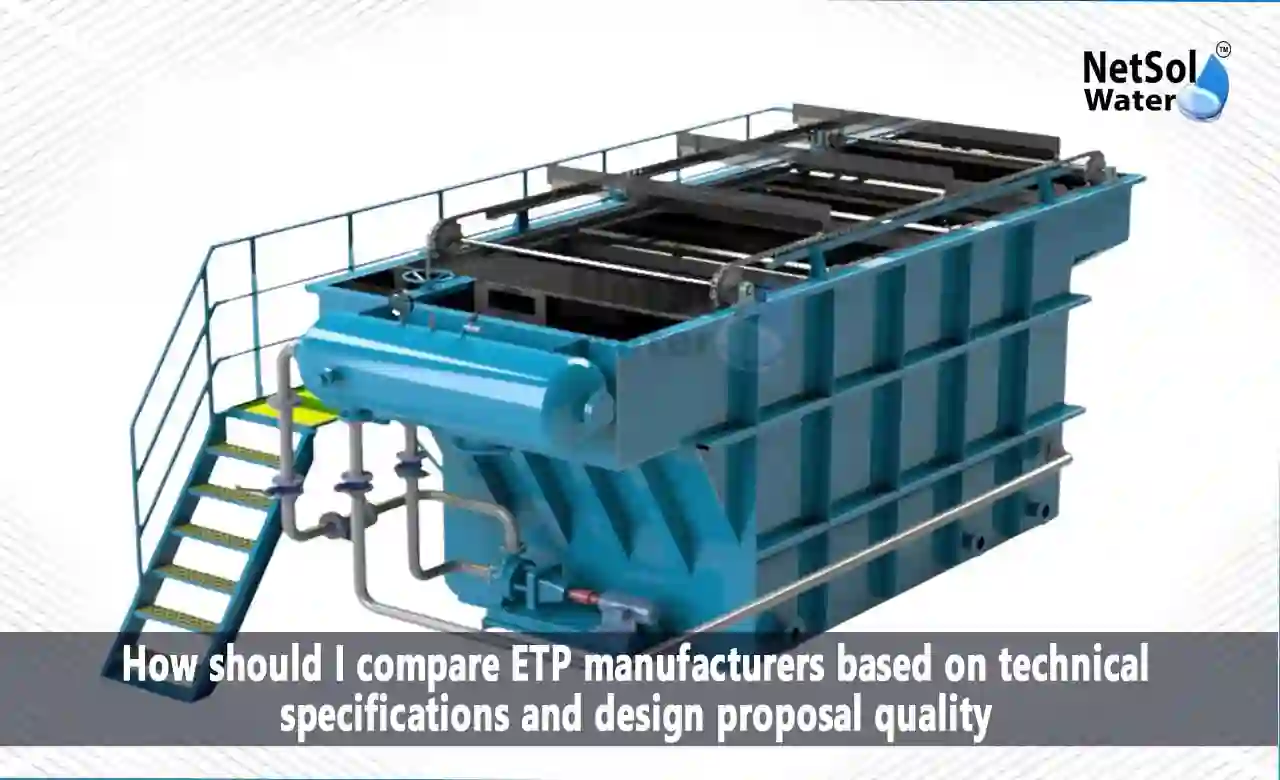
How to Compare ETP Manufacturers by Technical Specifications & Design Quality?
Industries across India are paying more attention to wastewater treatment because environmental rules are becoming stricter every year. Manufacturing units in sectors such as textiles, chemicals, food processing and pharmaceuticals produce large amounts of wastewater. This water needs proper treatment before discharge.
An Effluent Treatment Plant helps industries manage wastewater and protect the environment. Choosing the right manufacturer for this system is an important decision because the plant works for many years and directly affects production and compliance.
Many companies offer treatment plants and each one claims to provide the best solution. However every proposal is not the same. Some manufacturers provide detailed designs while others focus only on equipment supply. A careful comparison of technical specifications and design quality helps industries avoid future problems and unnecessary expenses.
Netsol Water is the leading Effluent Treatment Plant Manufacturer and provides complete solutions that focus on quality design and long term performance. Understanding how to compare manufacturers helps businesses select a system that matches their operational needs.
Technical Specifications of an ETP
Technical specifications form the foundation of every treatment system. They explain how the plant will perform and how efficiently it will treat wastewater. A detailed study of these specifications helps industries understand whether the proposed plant can meet their present and future requirements. Let us have a look on some important technical aspects that should be checked before selecting a manufacturer.
1. Treatment Capacity and Flow Rate
The first point to examine is the treatment capacity of the plant. The manufacturer should clearly mention how much wastewater the plant can handle every day. Some industries generate varying amounts of wastewater during different seasons. A good design should consider these changes and provide enough capacity to manage peak flow conditions.
A manufacturer that studies water generation patterns and designs a flexible system often delivers better performance. A plant with inadequate capacity may face frequent breakdowns and operational difficulties. Therefore industries should carefully compare the proposed flow rate and treatment capacity in every design proposal.
2. Treatment Process and Technology
The treatment process is another important part of technical specifications. Different industries generate different types of effluent and therefore every plant cannot use the same technology. A manufacturer should explain why a particular treatment method has been selected.
The proposal should mention the use of primary treatment biological treatment and tertiary treatment if required. It should also explain how the process will remove pollutants and meet discharge standards. A clear explanation of the treatment process shows that the manufacturer understands the industry requirements and has designed the system carefully.
Evaluating the Design Proposal Quality
A design proposal reflects the knowledge and experience of the manufacturer. A detailed proposal gives confidence that the plant has been designed after proper study and planning. Industries should not choose a manufacturer only on the basis of price because a poor design may lead to higher expenses in the future. Let us have a look on some important elements that determine the quality of a design proposal.
1. Process Flow Diagram and Plant Layout
A good proposal always includes a process flow diagram and a plant layout. The process flow diagram explains how wastewater moves through different treatment stages. It helps industries understand the operation of the plant and the function of each unit.
The plant layout also deserves attention because space management is important for industrial facilities. A well planned layout allows easy operation and future expansion. It also provides enough space for maintenance activities. A manufacturer that prepares detailed drawings often demonstrates better engineering capability and practical understanding.
2. Design Calculations and Performance Data
Design calculations are another sign of a professional proposal. The manufacturer should provide information related to retention time loading rates and equipment sizing. These calculations show that the system has been designed scientifically and not through assumptions.
Performance data from previous installations also adds confidence. If the manufacturer can provide examples of existing projects and their treatment results then industries can better judge the capability of the company. Detailed calculations and performance information make the proposal more dependable and easier to evaluate.
Comparing Equipment Quality and Operational Features
The long term success of an Effluent Treatment Plant depends greatly on equipment quality. Even a good design can fail if poor equipment is used. Industries should therefore pay close attention to the specifications of pumps blowers mixers and control systems. Let us have a look on some important areas that need careful examination.
1. Material of Construction
The materials used in tanks pipelines and equipment directly affect plant life. Wastewater often contains corrosive substances that can damage poor quality materials. Manufacturers should clearly mention the grade of steel or other construction materials in their proposals.
A company that uses suitable materials reduces maintenance needs and increases the life of the system. Industries should compare these specifications carefully because cheaper materials may increase operating costs later.
2. Automation and Energy Efficiency
Modern treatment plants often include automation features that improve operational control. Automated systems help operators monitor flow levels chemical dosing and equipment performance. They also reduce the possibility of human errors.
Energy consumption is another important issue because treatment plants operate continuously. Manufacturers should explain how their design reduces power usage and improves efficiency. A plant with lower energy demand helps industries save money over many years. Therefore equipment quality and operational features should become an important part of the comparison process.
Assessing Manufacturer Experience and Support Services
Technical specifications and design quality are important but the experience of the manufacturer also matters. An experienced company understands practical challenges and provides better support during installation and operation. Let us have a look on some important points that should be considered while assessing the manufacturer.
1. Industry Experience and Project Portfolio
A manufacturer with experience in different industries often has a better understanding of wastewater treatment requirements. Companies should review the project portfolio and study previous installations. Similar projects provide confidence that the manufacturer can handle complex situations and deliver the expected results.
A strong portfolio also indicates that the company has developed its engineering skills over many years. This experience often results in better plant performance and smoother project execution.
2. After Sales Service and Technical Assistance
Many industries focus only on plant installation and forget the importance of support services. However an Effluent Treatment Plant requires regular maintenance and occasional technical guidance. Manufacturers should provide information about training spare parts and service support.
A company that offers quick technical assistance helps industries maintain uninterrupted operations. Good support also ensures that the treatment system continues to meet environmental standards for a long time. Therefore industries should carefully compare after sales services before making a final decision.
Conclusion
Choosing the right manufacturer requires a detailed study of technical specifications, design quality, equipment standards and support services. A proper comparison helps industries invest in a plant that delivers consistent performance and meets environmental requirements. An Efficient and well designed Effluent Treatment Plant protects natural resources and supports sustainable industrial growth.
Netsol Water is the leading Effluent Treatment Plant Manufacturer and offers advanced treatment solutions with strong engineering support and dependable service. Businesses that need guidance in selecting the right treatment plant can contact the experts at Netsol Water and request a consultation for their wastewater treatment requirements.
Contact Netsol Water at:
Phone: +91-9650608473, Email: enquiry@netsolwater.com