

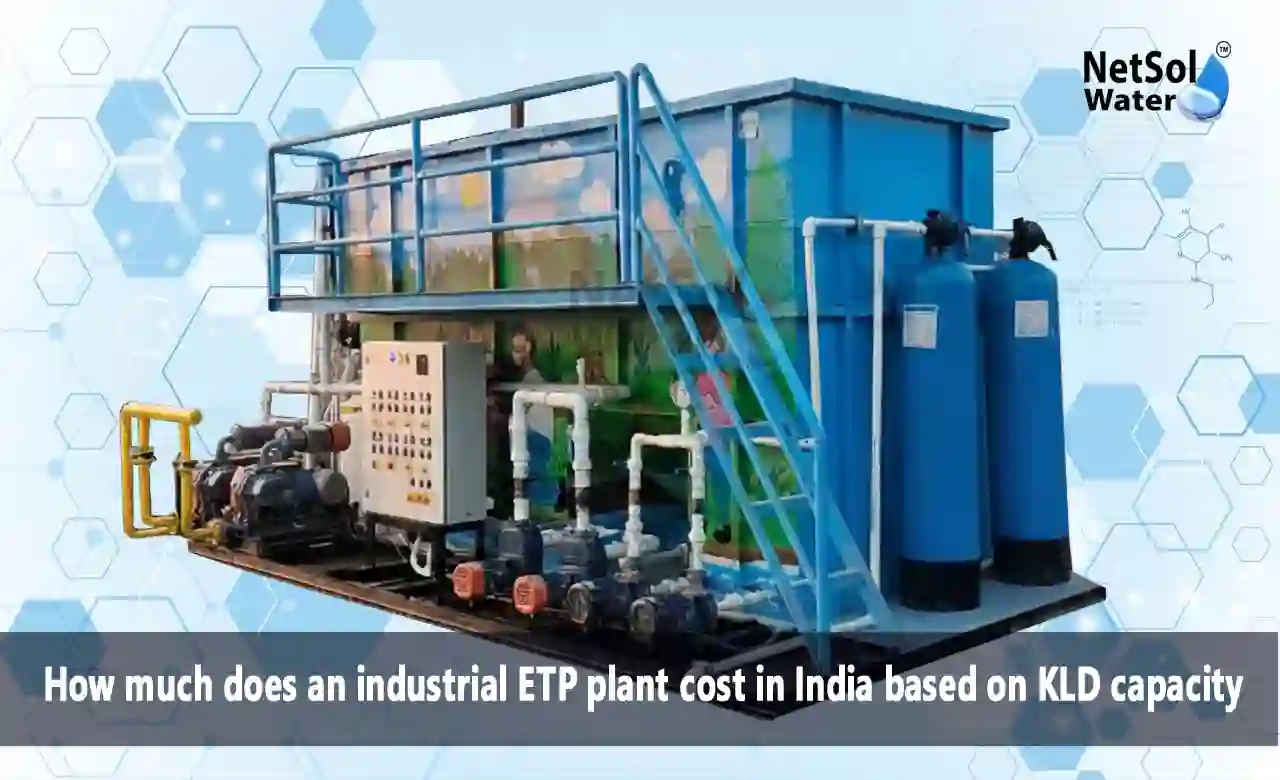
How much does an industrial ETP plant cost in India based on KLD capacity?
Industries across India are growing at a fast pace and this growth also increases the amount of wastewater generated every day. Different industries such as textile units, chemical factories, food processing plants and pharmaceutical companies produce wastewater that cannot be released directly into the environment. Because of this reason industries install an Industrial ETP to treat wastewater before disposal or reuse.
The cost of an effluent treatment plant is one of the most common questions asked by industrial owners. The price of the plant does not remain the same for every industry because every factory has different wastewater quality and treatment needs. One of the biggest factors that changes the price of a plant is its KLD capacity. KLD means Kilolitres per Day and it shows how much wastewater the plant can treat in one day. Understanding the cost based on KLD capacity helps industries plan their investment in a better way and choose the right treatment solution for their operations.
Why Does KLD Capacity Affect the Cost of an Industrial ETP?
The capacity of an effluent treatment plant plays a major role in deciding its total cost. A plant that treats a small amount of wastewater needs fewer tanks pumps and equipment. On the other hand a large plant requires bigger systems and advanced treatment processes. This directly affects the overall investment.
Let us have a look on some important reasons why KLD capacity changes the price of an effluent treatment plant.
1. Size of Equipment and Tanks
As the treatment capacity increases the size of tanks and equipment also becomes larger. Bigger equalization tanks aeration systems and clarifiers need more construction material and additional engineering work. This naturally raises the cost of the plant.
Large industries often need extra storage facilities and automation systems to manage wastewater effectively. These additions increase the project budget and make high capacity plants more expensive than smaller units.
2. Increase in Power Requirement
Higher KLD plants use larger pumps blowers and motors. These plants consume more electricity and need better electrical systems. The increase in power requirement also affects the installation cost.
Industries that handle a large amount of wastewater may also need backup systems and monitoring equipment. These facilities improve plant performance but add to the overall investment.
3. Requirement of Advanced Treatment Processes
Many industries produce wastewater that contains oil, chemicals and heavy pollutants. High capacity plants often need advanced treatment technologies such as tertiary filtration and sludge handling systems. These technologies improve water quality but increase the cost.
The treatment process therefore becomes more complex as the plant size increases and this has a direct effect on the final quotation.
Estimated Cost of Industrial ETP Plants Based on KLD Capacity
Every industry wants to know how much investment is needed before planning an effluent treatment system. Although the final cost depends on many factors the KLD capacity provides a basic idea of the expected budget.
Let us have a look on some common capacity ranges and their approximate cost.
1. Small Capacity Plants up to 50 KLD
Small industries and commercial units generally install plants that treat up to 50 KLD of wastewater. These systems are compact and require fewer treatment stages. The approximate cost of such plants usually starts from a few lakhs and can increase depending on the wastewater quality and automation requirements.
Industries such as small food processing units and packaging companies often choose these plants because they need less space and lower operating costs.
2. Medium Capacity Plants from 50 KLD to 500 KLD
Medium sized industries usually need plants that handle larger quantities of wastewater. These systems include more treatment stages and bigger tanks. The cost of these plants can range from several lakhs to more than one crore depending on the design and technology used.
Industries in sectors such as textiles dairy processing and engineering commonly install plants in this category. The investment is higher but these systems provide better treatment efficiency and support future expansion.
3. Large Capacity Plants above 500 KLD
Large manufacturing facilities often require plants with capacities above 500 KLD. These plants need advanced equipment automation systems and extensive civil work. The cost of such projects can reach several crores because of their complex design and high treatment demand.
These plants also include sludge management systems and water recycling units. Although the initial investment is high they help industries meet environmental standards and reduce water consumption in the long term.
Other Factors That Influence the Cost of an Industrial ETP
KLD capacity is an important factor but it is not the only reason behind the cost of an effluent treatment plant. Several other elements also affect the final price.
Let us have a look on some major factors that industries should consider before making an investment.
1. Nature of Wastewater
The quality of wastewater plays a major role in plant design. Wastewater with high chemical content needs additional treatment processes and special equipment. This increases the total project cost.
Industries that discharge hazardous pollutants need advanced treatment systems to meet environmental regulations. These systems are more expensive because they require additional stages and high quality materials.
2. Level of Automation
Modern treatment plants often include automatic control panels and monitoring systems. Automation improves plant performance and reduces manual work. However it also increases the initial investment.
Many industries prefer automation because it helps in maintaining treatment quality and reduces operational errors. The choice between manual and automatic systems therefore affects the overall project budget.
3. Civil Construction and Installation
The cost of construction and installation varies from one location to another. Large tanks foundations and pipelines require significant civil work. Transportation and labour charges also influence the total project cost.
Industries located in remote areas may spend more on installation because of higher transportation expenses and additional infrastructure requirements.
Choosing the Right Industrial ETP Manufacturer
Selecting the right manufacturer is as important as choosing the right capacity. A good manufacturer studies the wastewater characteristics and designs a plant that matches industrial requirements. This approach prevents unnecessary expenses and ensures efficient operation.
Netsol Water is the leading Industrial ETP Manufacturer and provides customized solutions for different industries across India. The company designs treatment plants according to wastewater quality industry type and future expansion plans. Proper design and engineering help industries achieve effective wastewater treatment while controlling long term operating costs.
An experienced manufacturer also provides technical support and maintenance services. This support helps industries run their treatment systems smoothly and avoid costly downtime.
Conclusion
The cost of an Industrial ETP in India mainly depends on its KLD capacity but several other factors also influence the final investment. The quality of wastewater treatment technology automation and construction requirements all play an important role in determining the overall project cost. Industries should carefully evaluate their wastewater generation and future requirements before selecting a treatment system.
Investing in the right plant helps industries meet environmental regulations and improve water management practices. Businesses that need expert guidance can connect with Netsol Water for consultation and customized solutions that match their treatment needs and budget requirements.
Contact Netsol Water at:
Phone: +91-9650608473, Email: enquiry@netsolwater.com