

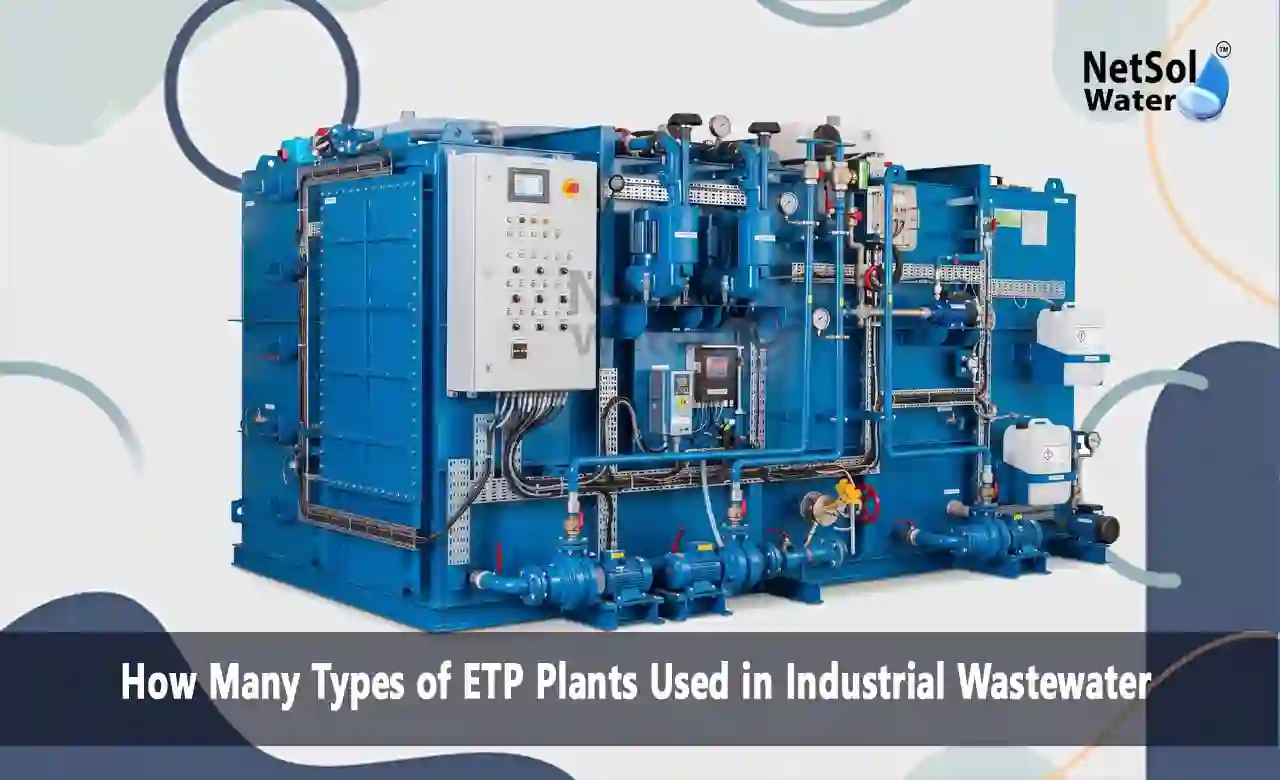
How Many Types of ETP Plants Used in Industrial Wastewater?
Pollutants in industrial wastewater include chemicals, oils, heavy metals, suspended solids and organic matter. When discharged untreated, these contaminants can adversely affect water bodies, soils, and public health. Industries therefore need to treat the wastewater prior to discharge or reuse.
An Effluent Treatment Plant is a facility designed to eliminate the harmful contaminants found in industrial wastewater and to help companies comply with environmental laws. Not all treatment systems are suitable for every industry, however. The selection of the right ETP will depend on the nature of the wastewater, the treatment objectives and the applicable discharge standards.
Why Different Types of Effluent Treatment Plants Needed?
Quality of waste water is industry dependent. The textile industries' wastewater is contaminated with dyes and chemicals, and food-processing industries generate wastewater with high organic content. Many hazardous pollutants are associated with chemical and pharmaceutical industries.
Wastewater properties vary and hence the wastewater treatment systems are designed accordingly. The selection of the appropriate ETP can enhance treatment efficiency, reduce the operatingcosts and facilitate environmental compliance.
Types of Effluent Treatment Plants Used in Industrial Wastewater
. Physical Effluent Treatment Plant
Physical treatment is usually the first stage of wastewater treatment. It filters large particles, floating material, grit and suspended solids, while not affecting the chemical characteristics of the water.
Some common physical treatment processes are:
· Screening
· Sedimentation
· The separation of oil and grease.
· Filtration
· Grit removal
This stage is for the protection of downstream equipment and helps to optimisesubsequent treatment stages. Almost all industrial effluent treatment systems use physical treatment.
. Chemical Effluent Treatment Plant
Chemical treatment removes dissolved pollutants which cannot be removed by physical filtration.
The process includes the addition of chemicals that react with contaminants and allow them to be more easily removed.
There are several common chemical treatments available, such as:
· Coagulation
· Flocculation
· Neutralization
· Chemical precipitation
· Oxidation
Chemical treatment is a common practice in the textile, chemical, electroplating, pharmaceutical, and metal working industries when it comes to the removal of colour, heavy metals and toxic chemicals.
. Biological Effluent Treatment Plant
Biological treatment is a method which involves the breakdown of biodegradable organic material in wastewater by microorganisms.
These microorganisms are known to degrade organic pollutants and transform them into less harmful substances such as carbon dioxide, water and biomass.
The following popular biological technologies are available for water treatment:
· Activated Sludge Process (ASP)
· Moving Bed Biofilm Reactor (MBBR)
· Sequencing Batch Reactor (SBR)
· Membrane Bioreactor (MBR)
A biological treatment is usually employed in the food processing industry such as dairies, breweries, sugar mills, and paper industries, where the wastewater has high organic waste load.
. Combined Effluent Treatment Plant
Wastewater is produced by many industries, which may consist of organic material and inorganic substances. In these instances, a single treatment process will not suffice.
A combination ETP is one system that combines all three treatment methods (physical, chemical, and biological).
A typical treatment sequence will consist of:
· Physical screening
· Chemical treatment
· Biological treatment
· Secondary clarification
· Filtration
· Disinfection
This plant type can be used for complete treatment of wastewater and is one of the most widely used ones in medium and large industries.
. Advanced Effluent Treatment Plant
Treated water with a certain quality may be necessary for the re-use or safe discharge of water in some industries.
Advanced treatment plants employ the use of the following technologies:
· Ultrafiltration (UF)
· Reverse Osmosis (RO)
· Activated carbon filtration
· UV disinfection
· Ozonation
They can eliminate dissolved salts, microorganisms, fine suspended particles, odor and trace contaminants. Common applications of advanced ETPs include pharmaceutical manufacturing, electronics, power plants and industries that demand high quality recycled water.
. Zero Liquid Discharge (ZLD) Effluent Treatment Plant
The Zero Liquid Discharge (ZLD) system is engineered to reclaim nearly 100% of the water from industrial effluents. The system recovers the treated water for reuse and the remaining waste products are transformed to solid substances.
Typically, a ZLD plant consists of biological treatment, reverse osmosis, evaporation and crystallization.
ZLD systems are frequently employed in industries where the environment has critical requirements or where there is a scarcity of water, as they help to conserve water and reduce the amount of wastewater released.
. Modular and Containerized Effluent Treatment Plants
Modular or containerized ETPs are suitable for small industry and businesses of varying production requirements.
These systems are small, mass-produced and can be installed easily. They also offer flexibility to expand the treatment capacity if the wastewater production increases in the future.
They are easy to be installed, have a short construction period, are easy to be transported and can be flexible for operation.
Also Read: Effluent Treatment Plant Manufacturer
How to Choose the Right Effluent Treatment Plant?
There are several key factors to consider when choosing a treatment plant.
These include:
· The type of industrial wastewater.
· Daily wastewater volume
· Pollutant concentration
· Required discharge standards
· Water reuse goals
· Available installation space
· The operating budget and maintenance budget.
Before choosing a wastewater treatment system, always have a detailed wastewater analysis conducted. This contributes to the efficient performance of the plant and to fulfilling the environmental requirements.
Benefits of Using the Right Effluent Treatment Plant
Industries can gain a number of long-term advantages from installing the “right” ETP.
Some of the key benefits are:
· More efficient wastewater treatment systems
· Obedience to the Environmental Rules.
· Decreased water pollution
· Reduce operating and maintenance expenses
· Increased opportunities for water recycling
· Improved environmental performance
· Longer equipment life
· Improved water resource management
When a treatment plant is well-designed, it also assists industries in creating a more sustainable and responsible operation.
Conclusion
Wastewater generated by various industries is of different types and hence it is essential to select the most efficient Effluent Treatment Plant for their treatment. The different types of treatment plants-from physical, chemical, biological, combined, advanced, Zero Liquid Discharge to modular treatment plants-all have different applications based on wastewater quality and treatment objectives.
Industries need to thoroughly evaluate their wastewater qualities, production scale, regulatory needs, and potential plans for water reuse before investing in an ETP. Choosing the appropriate treatment system will increase compliance, lower operating costs, aid in water conservation efforts, and provide a reliable wastewater management system for many years.
Do you need an advice or assistance on selecting the best water and waste water treatment unit? We have solutions for all your problems!
Let us know your problem, our experts will make sure that it goes away.
For an assistance or related query,
Call on +91-9650608473 Or write us at enquiry@netsolwater.com