

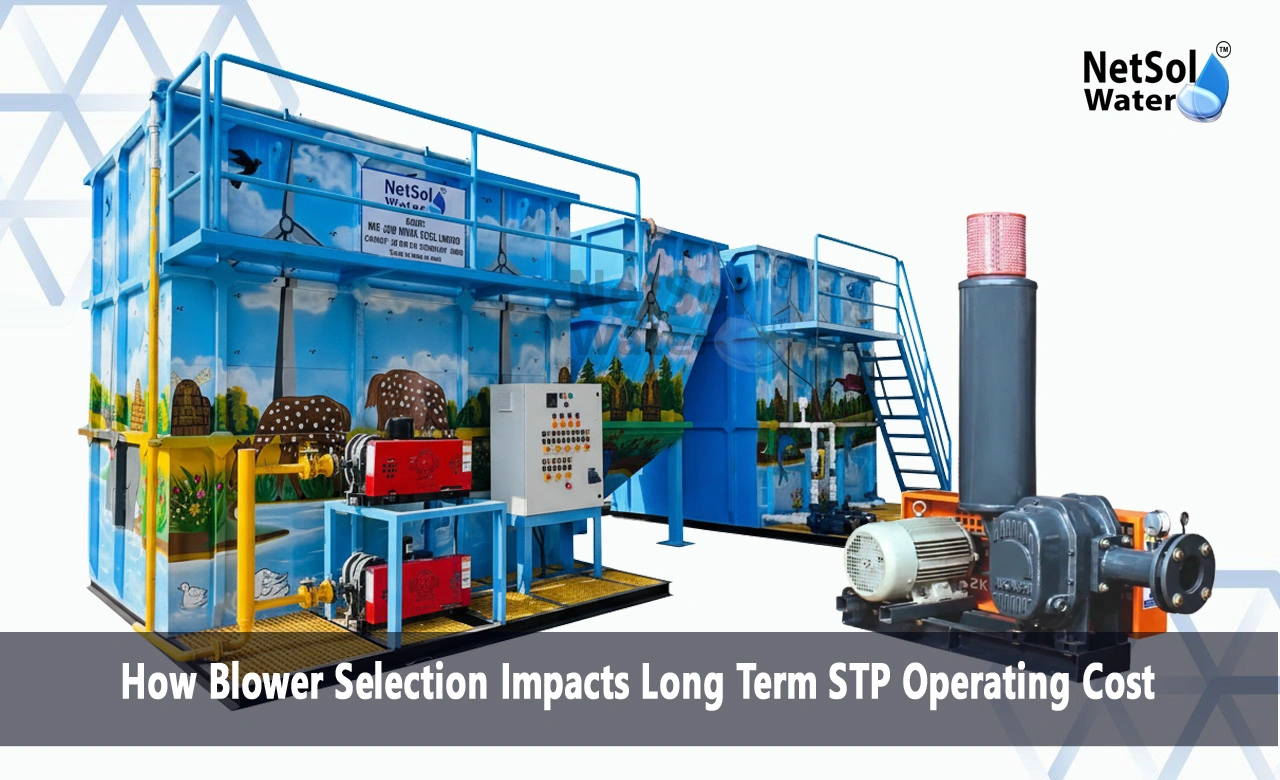
How Blower Selection Impacts Long Term STP Operating Cost?
Choosing the right blower can change how much a Sewage Treatment Plant costs to run. In Indiacities grows fast and industries and housing expand constantly. This growth puts heavy demand on water systems and on treatment plants. Plant operators feel the pressure to reduce energy use and keep the plant stable every day. A poor blower choice can raise energy bills and cause frequent repairs. A good choice will lower power use and keep processes steady. We will explains how each choice affects energy and long term costs.
Why blower type matters for energy and efficiency?
Blowers supply oxygen to microbes that remove organic matter. The amount of oxygen and the way it is delivered shape how well the biological process runs and how much energy the plant uses. If the blower wastes power the whole plant will pay in higher monthly bills. If the blower handles changing loads well the plant saves energy in all seasons.Let us have a look on some common blower types and how they behave in real plants.
1: Positive displacement blowers and their strengths
Positive displacement blowers give steady flow at a wide pressure range. These blowers handle shock loads and grit well. They often run at a single speed which keeps control simple. For small plants where the load does not change much this can be an efficient choice. The trade off appears when loads vary a lot. In that case these blowers can use more energy than needed because they cannot reduce flow easily. The result is higher long term operating cost.
2: Centrifugal and rotary lobe blowers
Centrifugal blowers and rotary lobe blowers offer a different balance. They can deliver high flows with lower noise and less vibration. When paired with variable speed drives they change output to match demand. This reduces wasted energy during low load periods. Centrifugal blowers show better efficiency at higher speeds. Rotary lobe blowers can perform well at steady medium loads. The key is how they perform at part load. Plants spend much time under part load. If the blower keeps efficiency in that range the plant lowers its yearly power bill. Choosing a blower that keeps efficiency across typical loads reduces long term cost and extends component life.
How correct sizing and control lower running expenses?
Choosing a blower size that matches the process needs matters a great deal. Oversized blowers run below their efficient range. This causes high energy use and extra wear. Undersized blowers strain under peak demand and cause process upsets. Both choices push up maintenance and replacement cost.Let us have a look on some sizing and control strategies that reduce total cost.
1: Proper sizing and system layout
Begin by mapping the aeration needs over a full year. Consider peak flows and low flow periods. Add margins only where process safety demands them. Also account for pipe losses and diffused aeration needs. A well laid out system reduces pressure losses. This lets the blower run at lower power for the same oxygen transfer. Lower power use means lower energy bills and lower carbon impact. Proper sizing also avoids frequent cycling which shortens blower life and increases service costs.
2: Control methods and use of variable speed drives
Control systems decide how the blower reacts to changing oxygen demand. On off control leads to frequent starts and stops. This wears parts and wastes energy. Using variable speed drives lets the blower match air flow to demand smoothly. Fine tuning with dissolved oxygen feedback improves process stability. The result is lower power use and less mechanical stress. Over time this lowers both energy cost and maintenance cost. Investing in smart control pays back in reduced monthly bills and longer intervals between major overhauls.
Maintenance reliability and life cycle cost
Blowers need regular care to stay efficient. Poor maintenance leads to loss of efficiency that the plant pays for each hour of operation. Filters clog bearings wear and seals leak. Each small loss of efficiency adds to energy bills and shortens service life.Let us have a look on maintenance practices and life cycle planning that cut long term cost.
1: Routine care and predictive checks
Daily checks and a firm preventive plan keep blowers running well. Cleaning air intakes and replacing filters reduce load on the motor. Bearing checks and oil changes prevent heat and friction. A predictive maintenance approach uses vibration and temperature trends to spot wear before failure. This reduces emergency repairs and unplanned downtime. Predictive care lowers overall cost because it moves spending from high cost emergency fixes to lower cost scheduled work. It also keeps the blower near its optimum efficiency which saves energy every day.
2: Life cycle costing and replacement timing
Life cycle costing looks beyond the initial price. It counts energy use maintenance cost and expected downtime over the blower life. Sometimes a higher priced blower with better efficiency and longer service intervals is cheaper over ten years. Planning replacement at the right time avoids sudden failures that force rushed purchases. A slow but steady decline in efficiency can add large sums to electricity bills. Tracking efficiency and including energy price projections in life cycle models gives a clear picture of total cost. This approach helps plant owners choose the option with the lowest cost over the long run.
Conclusion
Netsol Water is the leading Sewage Treatment Plant Manufacturer and can help you compare blower types controls and life cycle costs for your plant. If you would like a detailed review of your aeration system or a custom quote please get in touch for a free consultation. A focused change in blower selection can reduce your energy bill and make your plant more reliable.
Contact Netsol Water at:
Phone: +91-9650608473, Email: enquiry@netsolwater.com