
How a Textile Unit Achieve 90% Water Reuse with ZLD Plant?
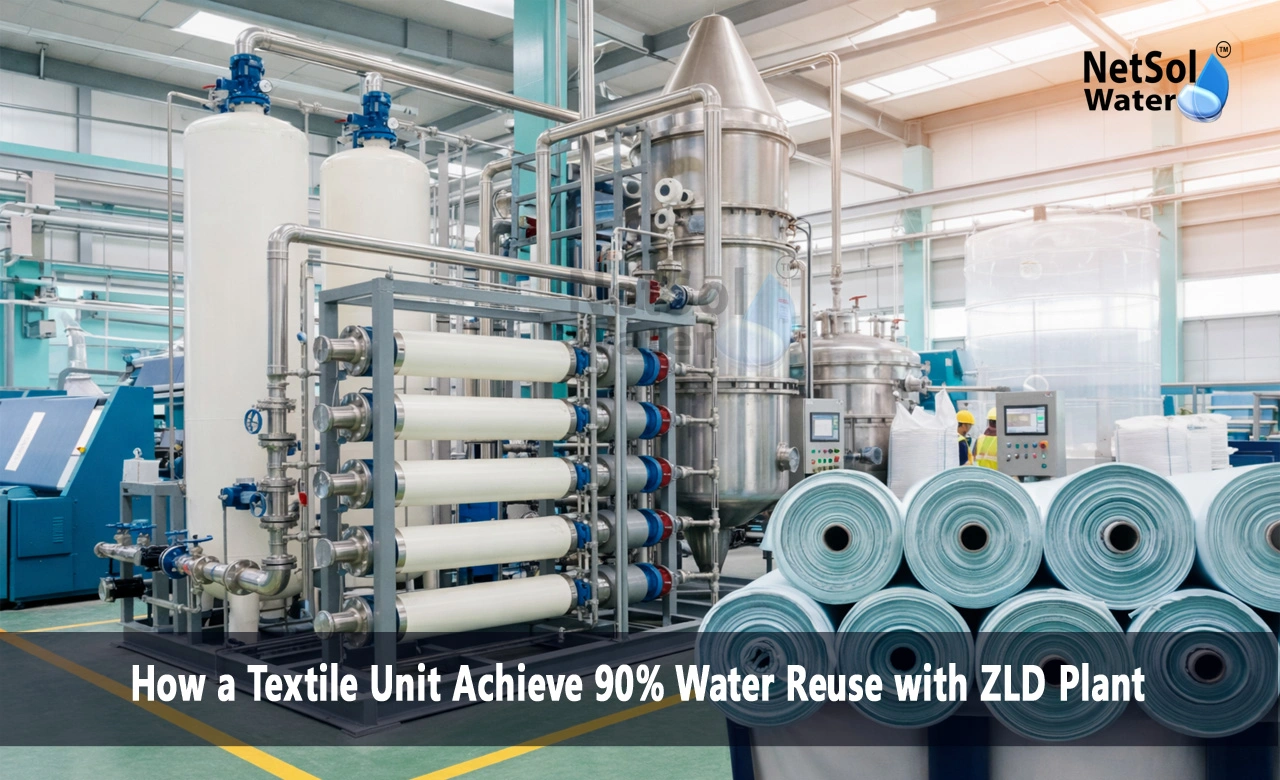
Water forms the backbone of textile production and mills use large volumes for dyeing, washing and finishing. A modern approach lets factories cut water demand and waste by capturing, treating and reusing process water. Zero liquid discharge or ZLD turns wastewater into reuse water and solid waste. When a textile unit targets 90% water reuse with ZLD plant it aims to close the loop and to cut fresh water intake to a small fraction. This change reduces cost and lowers environmental impact while meeting stricter rules for discharge. Implementing this goal requires planning plant layout, careful treatment steps and consistent checks. The factory must understand the wastewater streams and then set up stages to clean recover and concentrate the residues.
ZLD and its role in textile water reuse
A plant that reaches ZLD leaves no liquid wastes for discharge. The process recovers water and produces solids that the unit handles further. Let us have a look on some methods and principles that make ZLD work in textile factories
1: Core idea of ZLD
A ZLD system separates water from dissolved and suspended solids. The system starts with cleaning steps that remove coarse matter and then uses advanced steps that strip dissolved salts and organics. The final stages concentrate the remaining brine and then remove moisture until solids remain. The recovered water returns to the production lines.
2: How ZLD supports reuse?
ZLD gives a consistent supply of process water with known quality. The unit cuts fresh water purchases and secures water for times of scarcity. The factory also lowers the risk of regulatory fines because it does not discharge untreated effluent. ZLD fits with wider sustainability goals in the textile sector.
3: Key design drivers
Design teams size equipment to match peak volumes and to handle the toughest waste. The system must treat dyes, surfactants, salts and process chemicals while keeping energy and chemical use efficient. Proper design reduces downtime and keeps reuse rates high.
Effluent characterization and segregation
Accurate data guides treatment choice and simplifies downstream load on expensive units. Let us have a look on some steps for testing and for segregation that improve outcomes
1: Mapping wastewater sources
The unit must list each source and then sample flows during typical shifts. Dyeing baths, rinsing waters and finishing lines differ in chemistry. Streams with heavy organic load or high salt content need separate handling so they do not overwhelm biological or membrane stages.
2: Laboratory tests and metrics
Testing for pH, chemical oxygen demand, total dissolved solids, conductivity and specific dye families tells engineers which process steps to use. Regular lab checks track seasonal changes from different fabric types or recipe shifts and they show whether pretreatment keeps up with production.
3: Stream segregation strategy
The factory groups flows that share similar properties. Cleaner streams such as cooling water and soft rinses reuse early after light treatment. Heavier streams go through stronger cleaning or bypass biological steps and move to membrane and concentration units. This segregation reduces energy use and lowers membrane fouling risks.
Primary and biological treatment design
Removing coarse solids and reducing organic load protects later expensive units and extends their life. Let us have a look on some design choices and operation practices that shape primary and biological stages
1: Equalization and chemical adjustment
An equalization tank evens out spikes in flow and strength so downstream units see a steady load. Operators control pH and add coagulants in a measured way to remove suspended dyes and fibres. This pretreatment lowers turbidity and cuts down on membrane wear.
2: Biological treatment options
Where organics dominate the load, a biological reactor reduces chemical oxygen demand and biodegradable matter. Systems such as moving bed biofilm reactors or sequencing batch reactors handle variable load effectively. The system selected must match wastewater composition and plant space.
3: Protecting downstream units
Careful solids removal and biological polishing reduce fouling on ultrafiltration and reverse osmosis membranes. Operators monitor mixed liquor and adjust aeration to avoid biomass washout. Proper control keeps treatment stable and reduces chemical cleaning cycles.
Membrane processes and tertiary polishing
Membranes remove fine suspended matter and dissolved salts and they set the quality for reuse. Let us have a look on some membrane types and how to keep them running well
1: Ultrafiltration and microfiltration
Membrane modules in this stage remove fine solids, emulsions and large organics. These systems run before reverse osmosis to protect the tight membranes. Operators clean modules with controlled backwash and periodic chemical cleans to extend life.
2: Reverse osmosis for desalting
Reverse osmosis removes the bulk of dissolved salts and organics that pass earlier stages. High recovery RO trains operate in stages and use energy recovery where possible. Good pretreatment ensures higher recovery and fewer cleaning cycles.
3: Advanced polishing methods
When RO permeate still needs polishing, the plant uses ion exchange or advanced oxidation. These steps remove trace colour or organics that affect product quality. The final water meets the standards for reuse in rinsing, dyeing or process cooling.
Evaporation and crystallization to reach ZLD
After membranes remove most water the remaining brine holds the salts. Let us have a look on some evaporation and crystallization technologies and on how to make them efficient
1: Thermal evaporation fundamentals
Evaporators heat brine to vaporize water while leaving salts behind. Multiple effect evaporators cut energy use by reusing steam across stages. The condensed vapour returns as high quality water that the plant reuses directly.
2: Mechanical vapour recompression
Mechanical vapour recompression speeds up evaporation by compressing vapour and feeding it back as heat. This method lowers fuel needs and fits mid-sized plants that must balance capital and running cost.
3: Crystallizers and salt handling
Crystallizers dry the concentrated brine until solid salts form. The system then separates salts for disposal or for recovery and sale. Proper control prevents sticky salts that block equipment. Careful selection of crystallizer type reduces maintenance and keeps solid output stable.
Resource recovery and sludge management
Reuse gains full value when the unit treats residues as resources or disposes of them safely. Let us have a look on some recovery paths and on safe handling methods
1: Recovering dyes and chemicals
Some salts and chemicals in the solids return to the process after treatment. Salts such as common salt work well for reuse in certain dyeing recipes. Recovery reduces raw material purchase and cuts waste tonnage.
2: Handling biosludge and spent chemicals
Biological sludge and filter cakes require dewatering and safe disposal. Presses and centrifuges reduce moisture and volume so the unit ships only condensed solids. Proper records and permits keep the operation compliant with law.
3: Safe disposal and reuse markets
When the plant cannot reuse certain residues, it sends stable solids to approved landfills or to specialists who can recover metals or other components. Documenting this chain protects the factory and its neighbours.
Monitoring automation and operational strategy
Good automation and clear operating rules reduce surprises and save energy. Let us have a look on some control approaches and on training needs that make a difference
1: Sensors and online monitoring
Online sensors for conductivity, pH, turbidity and flow let operators spot trends and respond fast. Real time data drives set points for pumps, valves and dosing units. This approach ensures steady recovery and lowers the need for manual testing.
2: Automation and control logic
Automated logic links equalization to RO to evaporators so the system adapts to production changes. The control platform runs sequences that protect membranes and avoid overloading evaporators. Alarms and interlocks stop damage before it grows.
3: Training and operation culture
Operators learn to read data to spot early fouling or chemical imbalances. A maintenance plan sets cleaning frequency and spare part levels. When teams own the process they act to keep recovery high and downtime low.
Financial and regulatory considerations
Planners must balance capital and operating cost and must meet local rules. Let us have a look on some economic and permit matters to guide decision making
1: Capital and operating cost balance
ZLD needs investment in membranes, evaporators and control systems. The unit offsets cost through lower water bills, chemical savings and by avoiding discharge fees. Detailed modelling helps owners see payback and make choices that fit plant scale.
2: Incentives and grants
Many regions offer grants, loans or tax breaks for water saving projects. A clear proposal and robust monitoring plan increase the chance of support. Incentives shorten payback and help managers get approval.
3: Permits and compliance
ZLD reduces discharge but creates solid waste that regulations cover. The factory documents its flows and keeps records for inspections. Staying within law protects the business and secures long term operation.
Conclusion
The steps include careful testing and segregation of streams, solid primary treatment, robust biological stages and strong membrane trains. The process then concentrates remaining brine and recovers water by evaporation and crystallization. Teams must manage solids safely and set up online control and training to keep recovery steady. Business planners must weigh cost and permits to make a solid decision. If you want help to assess or to design a route to 90% water reuse with ZLD plant please get in touch for more information or request a consultation with a specialist who can build a practical plan that fits your factory needs.
Netsol Water is Greater Noida-based leading water & wastewater treatment plant manufacturer. We are industry's most demanding company based on client review and work quality. We are known as best commercial RO plant manufacturers, industrial RO plant manufacturer, sewage treatment plant manufacturer, Water Softener Plant Manufacturers and effluent treatment plant manufacturers. Apart from this 24x7 customer support is our USP. Call on +91-9650608473, or write us at enquiry@netsolwater.com for any support, inquiry or product-purchase related query.