

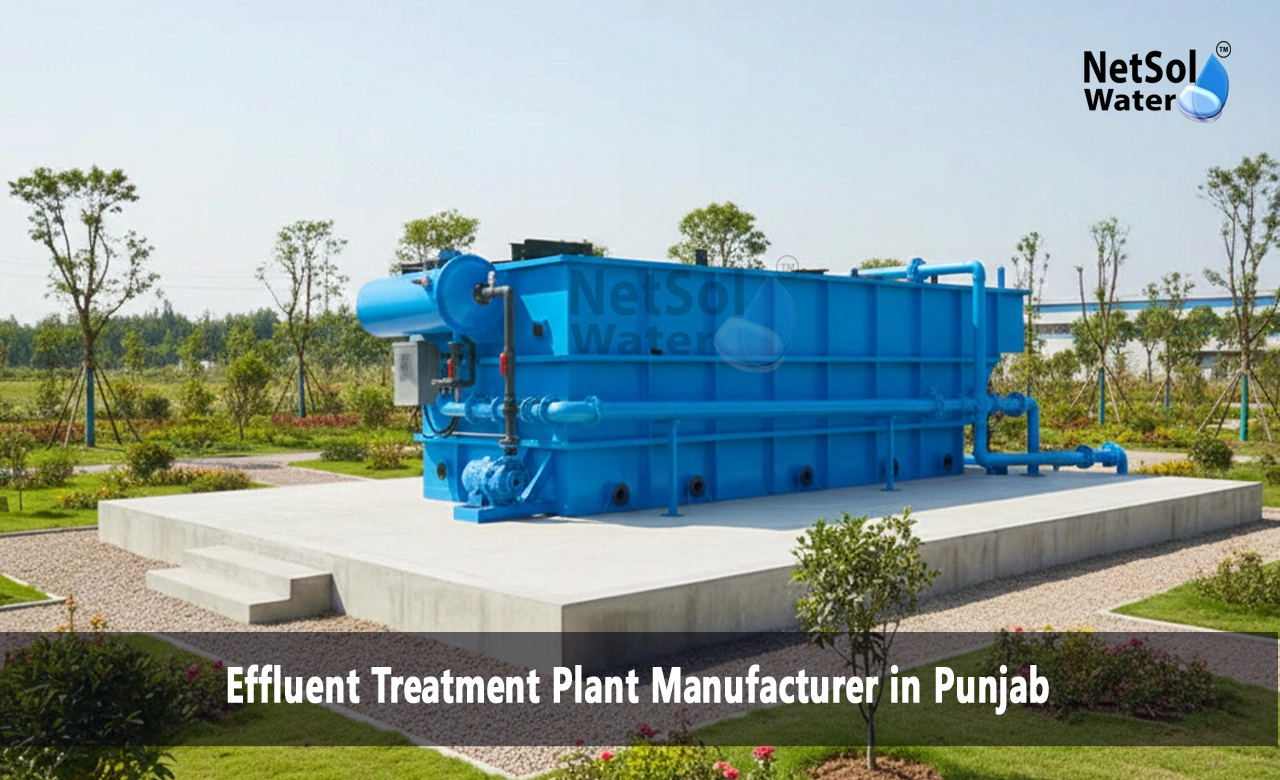
Effluent Treatment Plant Manufacturer in Punjab
Effluent treatment plays a major role in modern industry and in protecting water resources. Industrial growth in Punjab has increased the demand for proper wastewater management. Every factory produces effluent and untreated discharge can harm rivers, soil and public health. Industries must treat wastewater before release to meet pollution control norms and to protect the environment. This need has increased the demand for a reliable Effluent treatment plant Manufacturer in Punjab who understands both technology and local regulations.
An efficient effluent treatment plant does more than remove waste. It improves water reuse options and it supports sustainable operations. When industries install the right system they reduce legal risk and they build a responsible image in the market.
About Netsol Water
Effluent treatment needs experienced teams that know process design and local rules. Netsol Water brings practical engineering and long term service to clients who need reliable systems and timely support. The team plans plants that match waste streams and available space and it offers regular checks to keep systems running.
Netsol Water works with customers from first consult to final handover. As a leading Effluent Treatment Plant Manufacturer in Punjab, The company uses clear plans and trained staff to install and commission plants so clients can start operations without delay. Netsol Water also offers spare parts and maintenance options to extend equipment life.
Why Choose Netsol Water for Effluent Treatment Plant in Punjab?
Choosing a manufacturer matters for performance and compliance. Netsol Water combines design skills and field experience to deliver plants that meet discharge limits and run with low downtime. Let us have a look on some strengths and how they apply.
1: Design and engineering
Netsol Water evaluates waste quality and site constraints and it selects processes that perform well under real conditions. This step reduces surprises and it helps control energy use and chemical needs.
2: Installation and testing
The firm manages civil electrical and mechanical work and it tests each unit before handover. This hands on approach shortens start up time and it builds client confidence.
3: After sales and training
Netsol Water provides operator training and service agreements. This support keeps performance steady and it avoids costly shutdowns. Clients gain easy access to technical help and replacement parts.
Effluent treatment plants offered by Netsol Water
Selecting the right plant depends on waste type and flow rate. Netsol Water offers modular and packed solutions that fit small and large units. Let us have a look on some model types and what they suit.
1: Compact modular plants
These systems suit small factories and remote sites. They fit tight spaces and they come pre assembled to speed up installation. Modular units work well for textile small food units and laboratories.
2: Sequencing batch reactors and MBBR
These systems serve medium to large flows and they handle variable loads. Sequencing batch reactors control aeration and settle cycles in the same tank. Moving bed biofilm reactors use media to increase microbial contact and they boost biological removal.
3: Advanced tertiary systems
For strict limits Netsol Water adds filters and disinfection steps. Sand media and cloth filtration remove suspended solids and UV or chlorination kills pathogens. These steps prepare water for reuse or safe discharge.
How Effluent Treatment Plants Work?
Understanding process flow helps choose the right plant and run it correctly. Let us have a look on some main stages and how they reduce pollutants.
1: Pre-treatment and screening
First stage removes large solids, oils and grit that can harm pumps and downstream units. Simple screens and grease traps preserve equipment and they reduce maintenance needs.
2: Primary treatment and sedimentation
Settling tanks slow flow so heavy solids can drop out. This saves load on biological stages and it lowers suspended solids in the next step.
3: Biological treatment
Biological stages use bacteria to consume organic matter. Aerobic systems supply oxygen and they oxidize organics. Anaerobic steps support sludge reduction and they may generate biogas for onsite use.
4: Tertiary polishing and disinfection
Final steps focus on fine removal and pathogen control. Filtration removes tiny particles and disinfection prevents health risks. This step readies water for reuse irrigation or safe release.
Applications of Effluent Treatment Plant
Different industries produce different waste and they need tailored solutions. Let us have a look on some application areas and how systems adapt to each use.
1: Textile and dyeing units
These plants face strong,colour load and variable chemicals. Treatment combines chemical dosing and biological steps and it aims to reduce colour and COD before discharge.
2: Food and beverage plants
Waste here includes organics and fats. Systems focus on grease removal and strong biological digestion so effluent meets standards.
3: Pharmaceutical and chemical units
These sites need strict control of toxic compounds. Netsol Water assesses compound properties and it designs combined steps to neutralize and remove harmful substances.
4: Municipal and commercial complexes
For housing and hotels, treatment emphasizes pathogen control and simple maintenance. Systems here often support partial water reuse for gardening and cleaning.
Effluent Treatment Plant Capacity Range Offered by Netsol Water
Capacity matters for design and cost. Let us have a look on some capacity bands and the typical use case for each band.
1: Small capacity units
Units from 1 to 50 cubic meters per day suit small factories remote sites and pilot plants. These units emphasize ease of operation and low footprint.
2: Medium capacity units
Units from 50 to 1000 cubic meters per day fit larger factories campus outlets and small towns. These systems use modular components and they allow staged expansion.
3: Large capacity plants
Plants above 1000 cubic meters per day serve industrial parks and municipal needs. These designs include robust civil work multiple treatment trains and automation for steady performance.
Cost of the effluent treatment plant in Punjab
Cost estimates guide early planning and vendor comparison. Let us have a look on some price ranges and what drives cost differences.
Small modular units can start near INR 400000 and they can go up to INR 800000 depending on materials and added items. Medium systems commonly range from INR 800000 to INR 2500000 and prices vary with automation and tertiary needs. Large plants for heavy industry can start near INR 2500000 and they scale upward with capacity complexity and with site work. Extra features that affect cost include civil work power supply automation and monitoring systems. Delivery time and transport also change final price. Netsol Water offers quotes after a site visit and it explains cost drivers to help clients plan.
Top 3 Effluent Treatment Plant Manufacturers inPunjab
Finding reliable manufacturers helps compare offerings and service levels. Let us have a look on some leading names and on why clients choose them.
1: Netsol Water offers tailored design and strong field support and it leads with project follow up and spare part supply.
2: Sewage Treatment Plants provides modular plants and it focuses on quick installation and compact footprints.
3: Urban STP Plant delivers integrated solutions and it helps with automation and controls.
Conclusion
Choosing the right partner makes a clear difference for plant life and for compliance. Good design and steady service cut running costs and reduce downtime. If you plan to install an Effluent treatment plant Manufacturer in Punjab contact the supplier to get a site check and a detailed quote. Reach out for a consultation and for a tailored estimate.
Contact Netsol Water at:
Phone: +91-9650608473, Email: enquiry@netsolwater.com