

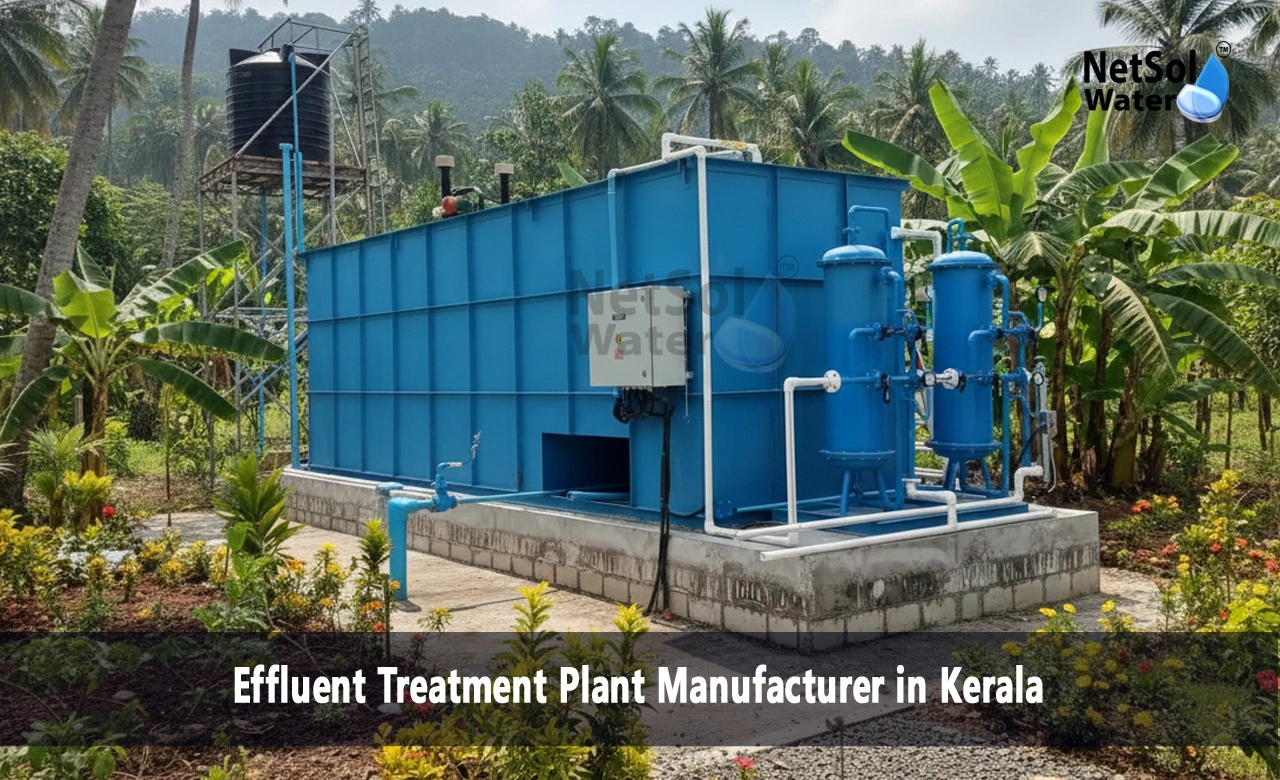
Effluent Treatment Plant Manufacturer in Kerala
Clean water and safe discharge shape the future of industry and community life. Choosing the right effluent treatment plant Manufacturer in Kerala makes a clear difference for projects large and small. Owners need systems that match their waste profile, space and budget. They also need a partner who will design, install and service the plant with care.
Netsol water being the best, places emphasis on site installation and on building local capability. Skilled technicians complete commissioning and they train the plant crew in daily checks and safe operation. Netsol Water keeps spare parts and it offers service plans that include scheduled visits and prompt repairs. The firm supports clients during audits and it helps with routine performance checks so the plant meets its targets over the long term.
About Netsol Water
Knowing the company helps any buyer trust the project outcome. Let us have a look on the company profile and on the services it offers.
Netsol Water began as a focused team that worked on water and wastewater projects for commercial clients and for small industry. The firm tests raw effluent and then prepares designs that suit daily flow and load. Engineers select tanks, pumps and control systems in line with site needs. This approach reduces surprises during installation and it keeps running costs lower. Netsol Water also documents each step of the job and hands over clear operation guides so the client can run the plant with confidence.
Why Choose Netsol Water for Effluent treatment plants in Kerala?
Selecting a manufacturer sets the tone for the whole project. Let us have a look on some reasons that make this company a practical choice for projects in the state.
1: Local testing and design
The company begins work with a detailed sample test and with a site survey. Engineers then design the plant to match the measured load and the available space. This method keeps the plant efficient and it reduces unexpected costs during setup.
2: Smooth installation and handover
Trained teams handle civil fit-out, piping and electrical works on site. The crew completes system checks and calibration before handover. The firm also provides clear operation manuals and on-site training for operators so the plant starts well and stays well.
3: Ongoing service and spare parts
The company offers service contracts that include preventive visits and parts supply. The support team responds to breakdown calls and it keeps records that help to plan future work. This steady support reduces downtime and keeps treatment quality steady.
How Effluent treatment plants Work?
Knowing the flow of treatment helps owners manage operation and meet limits. Let us have a look on each major stage and on how the steps improve water quality.
1: Preliminary cleaning
The plant first uses screens and grit removal to trap large solids. This protects pumps and downstream units. Removing heavy debris at this stage reduces wear and service needs on the rest of the plant.
2: Equalization and chemical dosing
An equalization tank evens out flow and load. Dosing systems add chemicals that help to remove oil grease or to adjust pH. This step makes biological treatment more stable and effective.
3: Biological treatment
Microorganisms reduce organic load in reactors that supply oxygen or not depending on the design. Aerobic reactors need air to speed up organic removal. Anaerobic reactors treat high strength waste and they can recover energy in the form of biogas in some cases.
4: Solid liquid separation and polishing
After biology the flow moves to clarifiers and filters. These units remove suspended solids and suspended biomass. Final polishing may include sand filters activated carbon and disinfection to meet the required discharge or reuse quality.
5: Sludge handling
The plant concentrates solids into sludge and then thins and dries the material for safe disposal. Proper sludge work reduces volume and makes disposal simpler and cheaper.
Applications of Effluent treatment plant
Knowing where the plant can serve helps to match the technology to the customer. Let us have a look on common applications and on why each sector needs reliable treatment.
1: Manufacturing and processing units
Production lines often produce oily and chemical-laden effluent. Effluent treatment protects receiving waters and it helps the factory meet consent limits. The treated water can sometimes feed cooling systems or cleaning lines.
2: Food and beverage industry
Food units generate organic rich effluent with grease and solids. Treatment for these sites focuses on removing grease and on reducing biochemical oxygen demand so the water becomes safe to discharge or to reuse for non potable tasks.
3: Textile and dyeing shops
Textile operations use dyes and chemicals that need careful handling. Treatment steps for these units include advanced filtration and chemical dosing to lower colour and toxicity before discharge.
4: Mixed-use estates and parks
Industrial parks and mixed use zones often install centralized plants that handle combined effluent from many units. Central plants use robust equalization and strong monitoring to handle varying loads.
Let us have a look on how these applications shape design choices and upkeep schedules.
Effluent treatment plant Capacity Range Offered by Netsol Water
Choosing the right capacity keeps the plant efficient and it keeps cost in control. Let us have a look on the capacity bands that this company supplies and on the fit for each band.
1: Small capacity systems
The firm supplies small plants that handle up to 50 cubic meters per day. These units suit small workshops, hotels and local food units. The small systems use compact tanks and simplified controls.
2: Medium capacity systems
Plants from 50 to 500 cubic meters per day suit larger factories, schools and hotels. The designs often use modular tanks and standard pumping packages that simplify service and spare parts.
3: Large capacity systems
Large plants that treat over 500 cubic meters per day serve industrial estates, municipal clusters and large process units. These designs include redundancy, strong instrumentation and efficient sludge handling to support continuous operation.
Cost of Effluent treatment plants in Kerala
Budget forms the backbone of any project plan and it guides the selection process. Let us have a look on price ranges and on the key elements that change final cost.
Typical price bands
Small packaged plants may start near INR 400000 depending on features and on automation level. Medium sized plants can range from INR 800000 to INR 3500000. Large custom plants with advanced controls and robust sludge systems may exceed INR 5000000. Each quote changes with site access raw load and with local permit needs.
Raw effluent strength sets the need for pretreatment and chemical dosing. Daily flow sets reactor and pump size. Material grade and control panel complexity change the price. Installation site work and testing add to the total figure. The company carries out a site survey and a sample test before it issues a final quote so the client gets a firm number that fits the real need.
Regulatory Compliance & Approvals Handled by Netsol Water
Approval work keeps projects legal and it helps to speed up commissioning. Let us have a look on the approvals that the firm can prepare and on the help it gives clients.
The company prepares files for pollution control board clearances and for local municipal permits. The team runs lab tests and it prepares the reports that regulators expect. This support cuts the time between installation and first operation and it reduces the chance of fines.
Netsol Water also helps with renewal filings and with routine compliance reports. The firm supplies documentation and test data that clients can submit to authorities. This steady support simplifies audits and it helps the plant remain legal across its life.
Top 3 Effluent treatment plant manufacturers in Kerala
A short list helps buyers compare capabilities and service reach. Let us have a look on three firms that offer solid effluent treatment solutions.
First is Netsol Water: The firm gives local focus and full project support from design through commissioning and after sales.
Second is Sewage Treatment Plants: The firm has a large product range and a national support network.
Third is Urban STP Plant: The firm supplies engineered solutions for complex industrial needs and for large projects.
Conclusion
Choosing an Effluent treatment plant Manufacturer in Kerala shapes your project cost compliance and long term operation. A clear design that matches raw load and daily flow improves output and it reduces operating cost. Proper commissioning and operator training help the plant start well and stay reliable. Netsol Water offers testing, design, installation and service support that many clients find useful. Reach out for a site survey and for a detailed quote. Request a consultation to discuss your needs and to learn how an effluent treatment plant Manufacturer in Kerala can support your work and protect the local environment.
Contact Netsol Water at:
Phone: +91-9650608473, Email: enquiry@netsolwater.com