

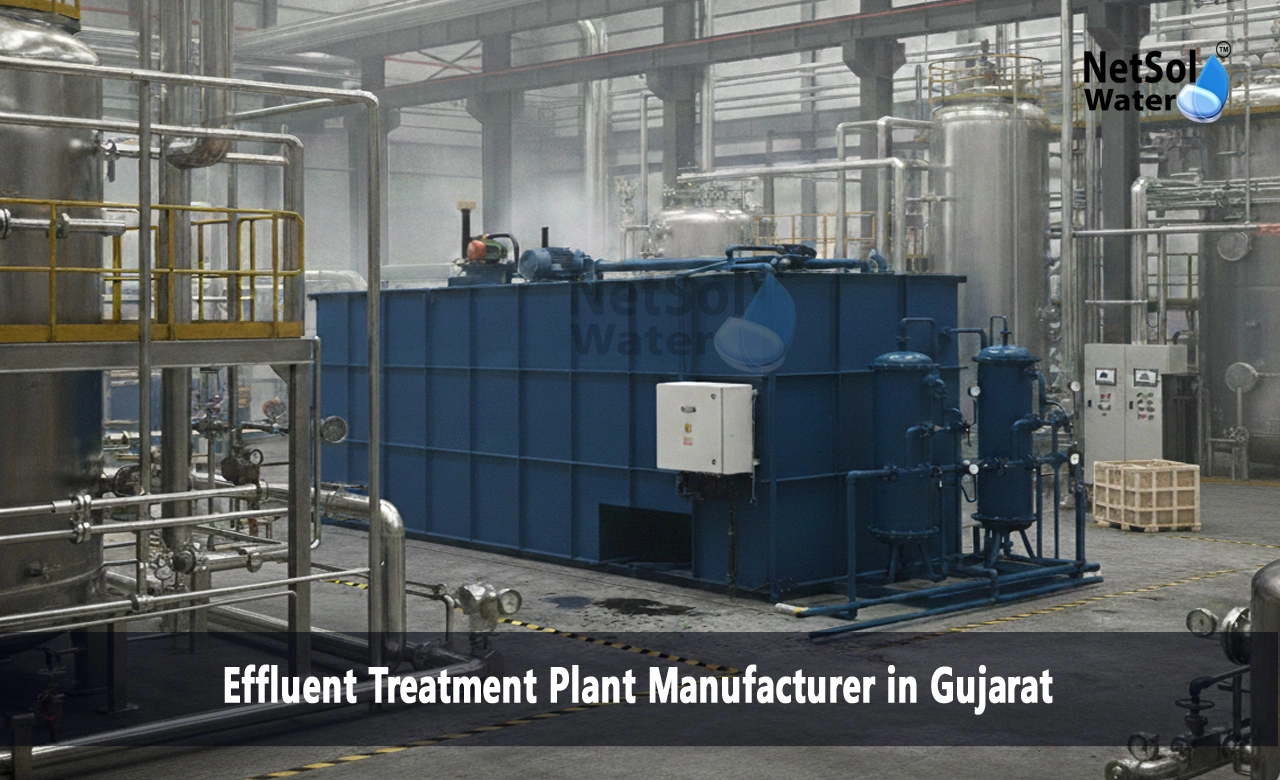
Effluent Treatment Plant Manufacturer in Gujarat
Clean water management shapes the future of industry and of the local community. An Effluent treatment plant Manufacturer in Gujarat must design systems that match the waste profile and the daily flow. The right plant reduces pollution and it helps companies meet regulatory checks and reuse water for non potable tasks. A good manufacturer also provides testing, design, installation and reliable service.
About Netsol Water
A clear company profile helps buyers trust the project and the long term support. Let us have a look on Netsol Water and on the services the firm offers.
Netsol Water began as a small team focused on water and wastewater work for industrial and for commercial clients. Over time, it has grown into a trusted Effluent Treatment Plant Manufacturer in Gujarat. The engineers test incoming effluent and they prepare a design that fits the measured load and the space on site. This careful start reduces surprises during installation and it lowers the running cost over time.
The firm also manages fabrication, site installation, commissioning and operator training. The crew hands over operation manuals and it supplies spare parts and service contracts. Netsol Water follows up with scheduled visits and with testing so the plant stays within permitted limits through its life.
Why Choose Netsol Water for Effluent Treatment Plant in Gujarat?
Choosing the right supplier sets the path for smooth operation and for controlled cost. Let us have a look on the main reasons to consider this firm for projects in the state.
1: Local testing and custom design
Netsol Water begins with a sample and a site study. Engineers use real data to size tanks, select pumps and to fix the right treatment route. This method removes guesswork and it leads to systems that run well from the start.
2: Practical installation and operator training
The technical team handles civil fit out, piping and electrical integration at site. Technicians then run performance checks and train operators on daily tasks and basic fixes. This hands on work speeds up handover and it lowers the chance of early faults.
3: Ongoing service and spare parts support
The firm offers service plans that include preventive visits, spare parts and quick response for breakdowns. Service records help to plan spare stores and to reduce downtime. This support keeps treatment quality steady and helps the client meet audits.
Effluent treatment plants offered by Netsol Water
Clients need to match the process type to the waste profile and to the reuse plan. Let us have a look on the treatment technologies the company supplies and on how each one serves common industry needs.
1: Physical and chemical treatment units
These units remove solids and adjust chemistry to control oil, grease and heavy metals. Screens, grit traps and sedimentation cut large particles. Chemical dosing helps coagulate fine solids and it helps to remove metal ions. These steps make biological stages simpler and safer.
2: Biological treatment systems
The firm supplies aerobic systems such as activated sludge and moving bed biofilm reactors and it supplies sequencing batch reactors for variable loads. These designs use microbes to break down organic matter. The systems reduce biochemical oxygen demand and lower the organic load before polishing.
3: Anaerobic reactors and energy recovery
For high strength effluent Netsol Water offers anaerobic reactors that reduce organic load and that generate biogas. The setup pairs well with sludge digestion and with dewatering units. This approach cuts disposal cost and it helps recover useful energy.
4: Tertiary polishing and advanced options
When discharge limits demand higher clarity the company fits sand filters activated carbon and membrane units to remove fine solids colour and trace organics. Disinfection with UV or safe dosing then reduces microbes to acceptable levels. These steps support reuse for irrigation cooling or process needs.
5: Zero liquid discharge and recycling packages
For sites that aim to reduce discharge the firm offers integrated trains that combine membrane systems evaporation or crystallization where needed. These designs lower liquid waste and they help industries meet strict limits while saving water.
How Effluent treatment plants Work?
Understanding each stage helps operators run the plant and helps managers check performance. Let us have a look on the sequence of treatment steps and on the role each stage plays.
1: Preliminary cleaning and equalization
The plant first traps large debris and grit to protect pumps and mixers. An equalization tank then evens out flow and concentration swings so downstream stages see a steady load.
2: Biological reduction of organics
Microorganisms in aerated or in fixed media reactors digest organic matter. Aerobic tanks supply oxygen to speed the process while anaerobic units work without oxygen for high strength streams. This stage greatly reduces biochemical oxygen demand.
3: Separation and polishing
Clarifiers settle out biological solids and filters remove fine suspended matter. Polishing steps then remove colour and trace organics and a disinfection step ensures microbial safety. These steps prepare water for discharge or for reuse as permitted.
4: Sludge handling and disposal
The process concentrates solids into sludge and then treats the sludge by digestion, dewatering and safe disposal. Proper sludge handling lowers volume and reduces transport cost and it controls odour.
Applications of Effluent Treatment Plant
Effluent systems support many sectors and each sector sets a design profile. Let us have a look on typical applications and on why each site needs a tailored approach.
1: Food and beverage units
These plants handle high organic load and grease. Designs focus on fat oil and grease removal and on biological stages that reduce organics for safe discharge or reuse.
2: Textile and dyeing mills
Textile effluent often carries colour and chemical residues. Advanced dosing and polishing steps help reduce colour and toxicity so the effluent meets consent limits.
3: Chemical and manufacturing plants
Certain factories produce mixed effluent with organics metals and suspended solids. Robust equalization and phased treatment protect downstream biology and help control discharge.
4: Institutional campuses and mixed use zones
Large campuses benefit from central plants that treat combined flows. Central plants use strong monitoring and flexible stages to handle varied inputs and to support reuse.
Effluent Treatment Plant Capacity Range Offered by Netsol Water
Capacity choice guides civil work budget and equipment list. Let us have a look on the range that the company supplies and on which band suits each need.
1: Small capacity systems
Plants up to fifty cubic meters per day suit small factories small hotels and clinics. These units use compact tanks and simple controls to keep operation easy.
2: Medium capacity systems
Systems from fifty to five hundred cubic meters per day fit medium industry educational campuses and multi block complexes. The designs use modular tanks and standard pumps for easy service.
3: Large capacity systems
Plants above five hundred cubic meters per day serve industrial parks and municipal clusters. These designs include redundancy strong instrumentation and efficient sludge handling for continuous operation.
Cost of an effluent treatment plants in Gujarat
Budget planning requires clear scoping and realistic numbers. Let us have a look on typical price bands and on the main factors that change the final quote.
Typical cost bands
Small packaged effluent plants may start near INR 450000 depending on features and on automation. Medium systems commonly range from INR 1000000 to INR 3000000. Large custom plants with advanced polishing and with robust sludge systems can exceed INR 5000000. Each quote changes with the real load and with site access.
Raw effluent strength sets pretreatment and reactor size. Desired reuse quality changes polishing steps and investment. Material grade and control level impact capital cost. Installation civil work and testing also add to the final figure. Netsol Water carries out a site survey and a sample test before it issues a firm quotation so the client gets a clear price that matches the need.
Top 3 Effluent Treatment Plant Manufacturers in Gujarat
Choosing the right supplier depends on project scale budget and on the service you need. Let us have a look on three firms that supply effluent treatment solutions and on what each one brings.
1: Netsol Water: Netsol Water leads with end to end project work from sampling through design fabrication and site installation. The firm focuses on matching the process to the real load and on giving ongoing service that keeps plants within limits.
2: Sewage Treatment Plants: Sewage Treatment Plants offers a broad range of technologies and it supports medium and large projects through a wide service network across the country. The company brings established engineering standards and quick response through regional offices.
3: Urban STP Plant: Urban STP Plant supplies engineered solutions for larger sites and for projects that need integration with other utilities. The firm works closely with consultants and with facility teams to manage complex scope and to coordinate multiple trades.
Conclusion
Good effluent management protects the environment, public health and your operating budget. Choosing an Effluent treatment plant Manufacturer in Gujarat that tests the waste designs the right process and that offers steady service makes the project succeed. Proper pretreatment, accurate biological design and careful sludge handling keep the plant stable and they reduce long term cost. Netsol Water offers sampling design, installation and compliance support for many sectors. Get in touch for a site survey and for a detailed quotation. Request a consultation to discuss how an effluent treatment plant Manufacturer in Gujarat can meet your needs and help your business run cleaner.
Contact Netsol Water at:
Phone: +91-9650608473, Email: enquiry@netsolwater.com