

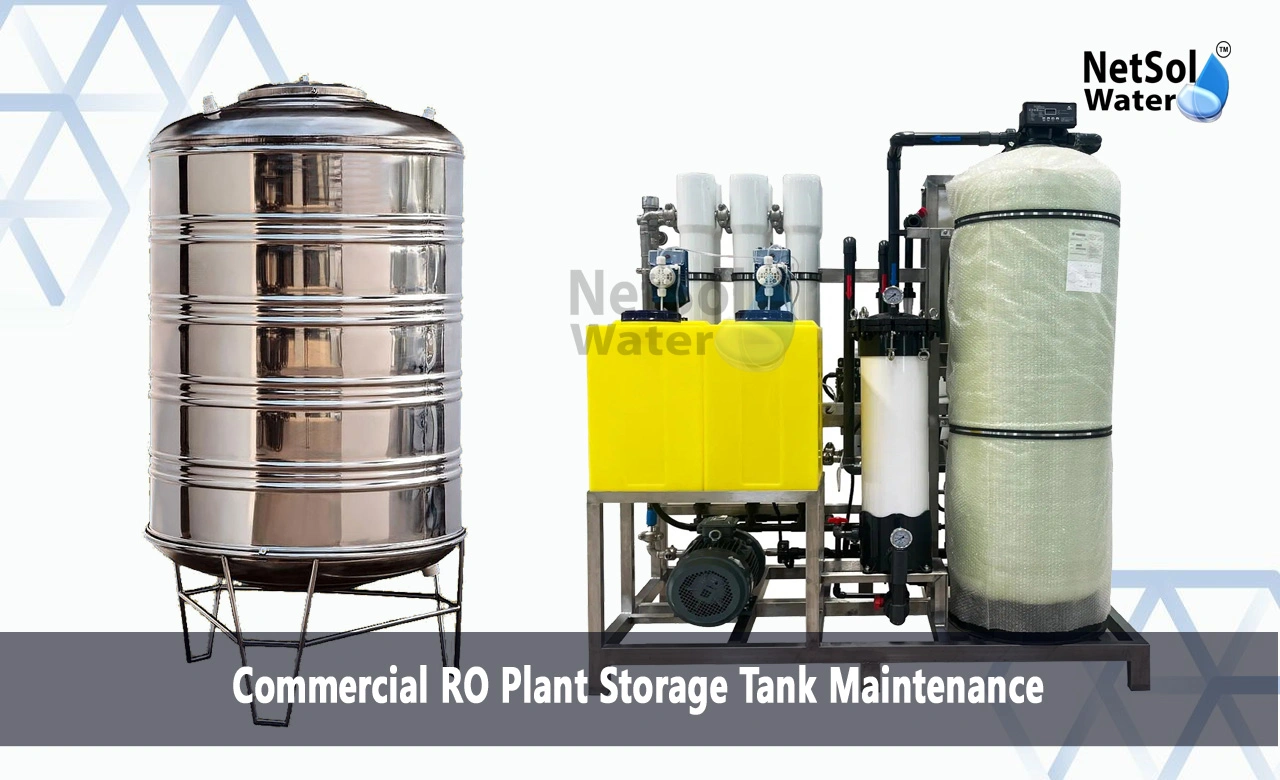
How to Maintain Commercial RO Plant Storage Tank?
Industries depend on clean water sources, and commercial RO plants offer cleansed water for diverse applications. Storage tanks comprise the core of these RO plants acting as reservoirs for processed water. Many neglect these tanks yet keeping them properly maintains the durability and effectiveness of the entire RO plant.
We'll discuss commercial RO plant storage tank maintenance in this blog. We'll cover RO system principles, storage tank components, and why regular upkeep essential.
Understanding RO Systems and Storage Tanks
Let us start with the basics. Reverse osmosis purifies water using a semi-permeable membrane to remove pollutants, ions and undesirable compounds. The method saves the cleansed water, called permeate in tanks for later use.
Commercial RO plants employ various sizes and materials for storage tanks. You'll discover tanks constructed of polyethylene, fiberglass or stainless steel depending on facility demands. These tanks have several purposes:
1. They provide a buffer of cleaned water for reliable supply
2. They enable for water pressure stability
3. They enable effective circulation of treated water throughout the facility
Water quality, production capacity and intended usage dictate the choice of tank material and size. Many facilities select polyethylene tanks for their affordability and corrosion resistance. Stainless steel tanks offer durability and suit high-purity applications.
Importance of Regular Maintenance
Regular maintenance isn't just great to have - it's essential for any business RO plant. Here's why:
1. It preserves water quality by reducing pollutant buildup in storage tanks.
2. It enables smooth functioning of the complete RO plant decreasing downtime and enhancing efficiency.
3. It eliminates costly maintenance and extends storage tank lifespan saving money long-term.
4. It helps maintain compliance with tight water quality rules in many businesses.
5. It safeguards health and safety in situations where water is utilized for human consumption or sensitive operations.
Cleaning Procedures
Cleaning your RO plant storage tanks periodically is important. Follow these steps:
1. Drain the tank fully using a pump or opening the drain valve.
2. Inspect the tank's interior for damage, algae growth or sediment buildup.
3. Scrub internal surfaces with a soft brush or spongeavoiding abrasive materials.
4. Apply an appropriate disinfection solution based on tank material and local laws.
5. Rinse the tank thoroughly with clean water to remove cleaning agents.
6. Refill the tank with cleansed water.
7. Test water quality before putting the tank back into use.
Clean frequency varies on water quality, usage trends and environmental factors. Most facilities should clean storage tanks at least yearly however some may need more frequent cleaning.
Inspection and Monitoring
Regular inspections uncover potential concerns early. Look for these during inspections:
1. Check for cracks, leaks or wear on tank exterior and interior surfaces.
2. Look for sediment or debris accumulation at the tank bottom.
3. Check for organic growth on tank walls or floor.
4. In metal tanks, examine for rust or corrosion indications.
5. Ensure all valves, fittings and connections work properly.
6. Verify water level indicators function correctly.
Monitor continually. Many modern RO plants use sensors and monitoring systems to inform operators of water quality or tank condition changes. Complement these automated methods with regular manual checks.
Troubleshooting Common Issues
Issues might happen even with routine maintenance. Here's how to address typical problems:
1. Algae Growth: Increase cleaning frequency and consider installing UV sterilizing devices.
2. Odors: Perform thorough cleaning and disinfection if you notice odd smells.
3. Discoloration: Investigate and address the source promptly if water becomes discoloured.
4. Pressure Issues: Check for leaks or level control problems if you notice pressure swings.
5. Taste or Quality Changes: Examine RO membranes or search for storage tank contamination if water taste or quality changes suddenly.
Consult a specialist if you're unclear how to approach a particular situation.
Preventive Maintenance Strategies
Prevent difficulties using these strategies:
1. Implement a regular inspection schedule based on your demands and industry standards.
2. Test stored water routinely for pollutants, pH levels and other important characteristics.
3. Ensure proper ventilation to prevent condensation and limit bacterial development risk.
4. Insulate outdoor installations to reduce temperature fluctuations that could influence water quality.
5. Train personnel on correct maintenance methods and the importance of reporting difficulties.
6. Keep detailed records of all maintenance activities, inspections and water quality testing.
These measures can considerably reduce problem risks and lengthen storage tank life.
Conclusion
Maintaining commercial RO plant storage tanks is important for reliable and efficient water treatment. Regular cleaning, inspections and preventive maintenance preserve water quality and protect your RO equipment investment.
Remember each facility has unique requirements based on its industry, water quality concerns and laws. Consult water treatment professionals to establish a specific maintenance strategy. Prioritizing storage tank maintenance assures a consistent high-quality water supply for your business.