

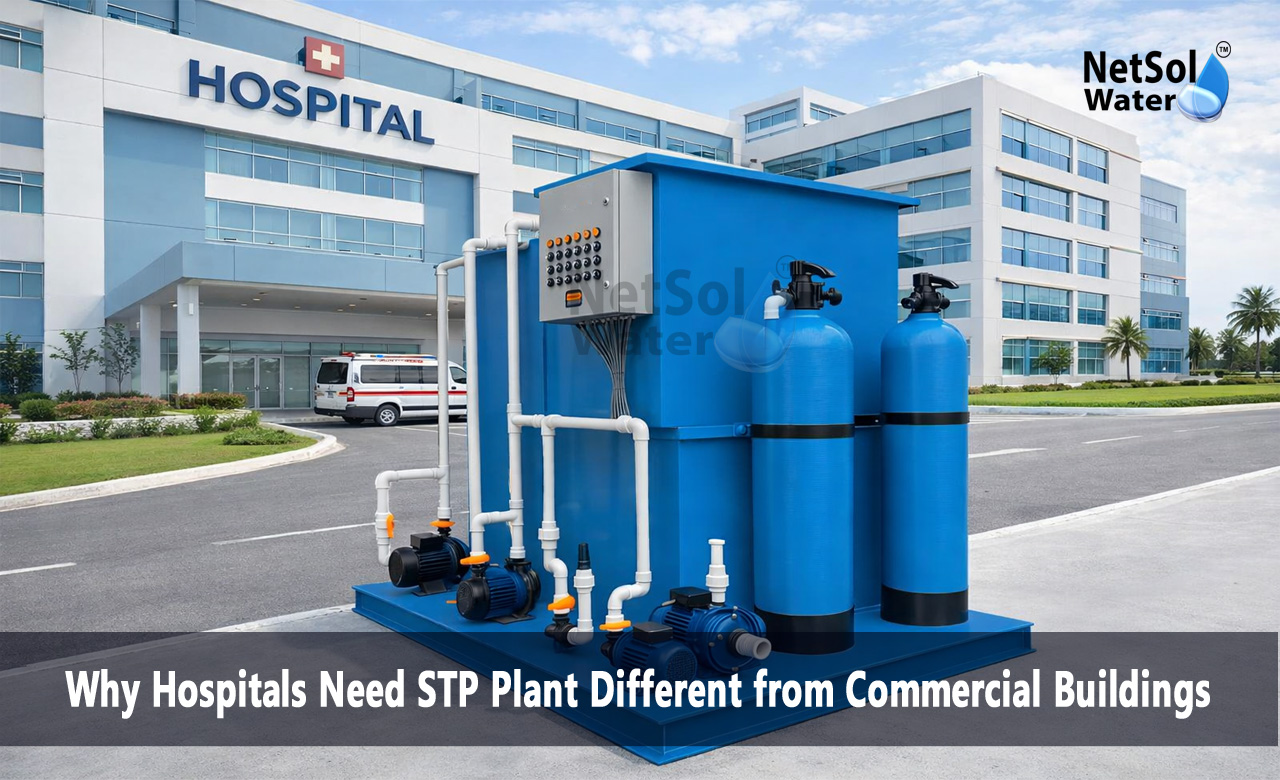
Why Hospitals Need STP Plant Different from Commercial Buildings?
Hospitals handle water that carries more risk than the water from shops and offices. This water can carry germs and chemicals that need special care. Hospitals also must run their systems without pause. A failure can harm patients and staff. Here we explain why hospitals need STP Plants different from commercial buildings. The goal is to give clear points that planners and managers can use. You will learn what changes to expect in design operation and upkeep. You will also learn how rules and audits shape the choice. Here we will help you decide when to ask for a custom plant and when a standard unit will not meet the need, with guidance from a Sewage Treatment Plant Manufacturer.
Infection Control and Pathogen Risk
Infection control stands at the top when you compare hospital water to commercial waste. Hospital waste can contain blood traces, lab fluids and drugs. These items raise the risk for staff and for local communities. let us have a look on some
1: Higher Risk of Pathogens
Design must assume that the water may carry disease agents. The treatment train must stop microbes at every step. A hospital plant will use steps that kill or remove bacteria and viruses. These steps will link to monitoring that checks performance each day. The goal is to lower the risk for patients and for waste handlers.
2: Segregation of Streams
Hospitals often separate streams from labs, wards and surgical areas. This split helps to channel high risk flow into stronger treatment lines. The design must map out these streams before build starts. The manufacturer must set clear labels and access points for the teams who work the plant.
3: Special Disinfection Steps
A hospital STP will include extra disinfection steps. These may include strong UV units or higher dose chemical stages. The system must meet proof points from tests. This proof keeps the discharge levels safe for local rules and for public health.
Waste Type and Contamination Levels
Hospital waste will carry unique loads that differ from office waste. The mix will show drugs, heavy metals and biological matter. This mix changes how you size tanks, pumps and filters. let us have a look on some
1: Chemical and Pharmaceutical Load
Hospital flow may carry traces of medicines and lab reagents. These parts need extra attention. A plant must include steps that can handle these loads without losing function. That need will shape the choice of reactors and of membranes.
2: High Suspended Solids and Oil
Surgical units and kitchens will bring solids and fats that clog simple systems. The system must include screens and grease traps. It must also include sludge handling that can cope with quick build up.
3: Trace Contaminant Treatment
Some hospitals will need steps that remove small concentrations of complex chemicals. Advanced oxidation or adsorbent media may work here. The design must also include tests that show the steps do work under real loads.
Regulatory and Compliance Requirements
Hospitals meet stricter rules than most other buildings. Regulators watch discharge and they audit records and tests. A plant for a hospital must give clear proof of performance. let us have a look on some
1: Higher Standards for Effluent
Local health bodies will set low limits for pathogens and for key chemicals. The plant must reach those numbers at all times. This need often forces more stages in the flow and more sensors in the control panel.
2: Record Keeping and Traceability
Hospitals must show day by day data for audits. The STP must log flow alarms and test outcomes. The manufacturer must include systems that keep this data safe and that make reports simple to read.
3: Coordination with Health Rules
The plant must also fit with waste laws that cover sharps and clinical solids. The manufacturer must advise on permit needs and on handling steps. This help will shorten the time to get approvals.
Continuous Operation and Redundancy
Hospitals cannot pause their services for repair works. The STP plant must run round the clock. The plant must include backup parts and a clear repair plan. let us have a look on some
1: Redundant Pumps and Power
Design for a hospital will include spare pumps and a second power feed. The team will pick parts that can switch without service loss. This setup will keep the flow steady even in a grid failure.
2: Bypass and Parallel Lines
A plant will include parallel treatment lines that allow one line to go offline for service. This layout will help with planned maintenance and will reduce the risk of a full shutdown.
3: Rapid Response Plan
The site must host a clear plan for failures. The manufacturer will provide response guides and spare part lists. This plan will help the on site team fix troubles with speed.
Specialized Treatment for Medical Waste
Some hospital streams need steps that standard plants do not offer. These steps aim to destroy drug residues and to fix sludge that may carry biohazards. let us have a look on some
1: Advanced Oxidation Processes
Advanced oxidation can break down stubborn drugs and organics. A hospital STP may include this stage when lab work or oncology units release such loads. The design will place this step before final polishing.
2: Thermal or Chemical Sludge Handling
Sludge from hospital flow may carry risk. The plant may include thermal units or chemical stabilizers to reduce this risk. This work will also cut the volume that goes to disposal.
3: Hazardous Waste Integration
The STP must also tie to the site plan for handling sharps and solids. The manufacturer will design handoffs that protect staff and that meet rules. This link will keep the general waste streams clean.
Odour Control and Aesthetics
Hospitals need a quiet clean campus for patients and for staff. Foul air and noise from a plant will hurt patient care. A hospital plant must fit the site view and must not add stress to the ward areas. let us have a look on some
1: Low Odour Design
The plant will include sealed tanks and closed vents. Carbon or biofilters may appear on vents when needed. The team will also plan buffer zones and plantings to soften the view.
2: Low Noise Equipment
Pumps and blowers must run with low noise. The manufacturer will select parts that match the site needs. The design will place the plant away from wards and will add sound shields where needed.
3: Landscape and Visual Fit
The plant can blend with the site through enclosures and through neat fences. The design must not stand out as a utility. The goal is to keep the patient walk and the visitor view calm and clear.
Water Reuse and Resource Recovery
Hospitals may reuse treated water for cooling gardens and for flushing. This step will lower fresh water demand and will cut cost. The reuse path must meet health rules and must include checks that stop cross-contamination. let us have a look on some
1: Fit for Purpose Reuse
The team must decide which uses can take treated water. Systems for cooling and for flushing need lower risk water than uses close to patients. The plant will include final polish steps and checks for the chosen use.
2: Nutrient and Energy Recovery
Some plants can recover heat or can convert sludge into fuel. The manufacturer will look at these steps when the site scale makes them pay back. This work will add to site resilience and to long term cost control.
3: Controls to Prevent Cross Flow
Any reuse line must include clear breaks and valves that stop the treated water from mixing with potable supplies. The manufacturer will set alarms for any pressure changes and will test these lines regularly.
Staff Training and Access Control
Hospital staff must know how to run and how to respond. The plant must also limit who can change settings and who can access tanks. This control keeps the plant safe and keeps data accurate. let us have a look on some
1: Hands-On Training
The manufacturer will train a team on daily checks and on how to respond to alarms. Training will include hands on steps and simple guides. This work will help staff act with confidence during a start up or during a fault.
2: Access Roles and Permissions
The control system will give roles and permissions. Operators will have limited changes. Senior engineers will have full access. This split keeps the plant safe and keeps records true.
3: Simple Manuals and Drills
Plain manuals and routine drills will make the staff ready for rare events. The manufacturer will supply clear guides that the team can use without complex tools.
Monitoring and Documentation
Hospitals need clear proof that the plant runs well. This proof must be easy to read in audits. Logs will show the day by day state and will help the team tune the system. let us have a look on some
1: Real Time Monitoring
A hospital STP will connect sensors to a central panel. The panel will show flow loads and key quality numbers. The system will alert on any drift. This setup will make fix time short.
2: Long-Term Data and Reports
The plant must keep records that show trends. The manufacturer will set up reports that fit audit needs. Trend lines will also help find slow changes before they become faults.
3: Third-Party Tests and Validation
Independent lab tests will confirm that the plant meets the law. The manufacturer will schedule these tests and will help file the results. This work will support permit renewals and will build trust.
Emergency Response and Surge Capacity
Hospitals face sudden spikes in load during outbreaks or during mass events. The STP must take the load and must not fail when demand jumps. let us have a look on some
1: Surge Holding and Equalization
Design will include holding tanks that smooth sudden inflows. These tanks will buy time while the plant adjusts. The manufacturer will size them to the site risk scenario.
2: Emergency Bypass and Sequencing
A clear emergency plan will show how to use bypass lines without letting untreated water reach public drains. The team will set rules and tests for this plan.
3: Coordination with Hospital Emergency Plan
The STP team will link to the hospital emergency plan. The manufacturer will advise on roles and on trigger points. This work will keep both the plant and the wards safe during stress.
Conclusion
Hospitals face steeper risks than other buildings when it comes to water and waste. Why Hospitals Need STPs Different from Commercial Buildings shows across design choice operations and care plans. A fit for purpose hospital STP will handle higher loads and will reduce risk for patients and for staff. It will also meet strict rules and will keep data ready for audits. It will run without pause and will give clear steps for reuse and for emergency response. If you want help to assess a site or to plan a plant reach out for a consultation. Ask for a site review and a clear plan that matches your needs. Contact us to request a meeting or to book a full project review.
Contact Netsol Water at:
Phone: +91-9650608473, Email: enquiry@netsolwater.com