

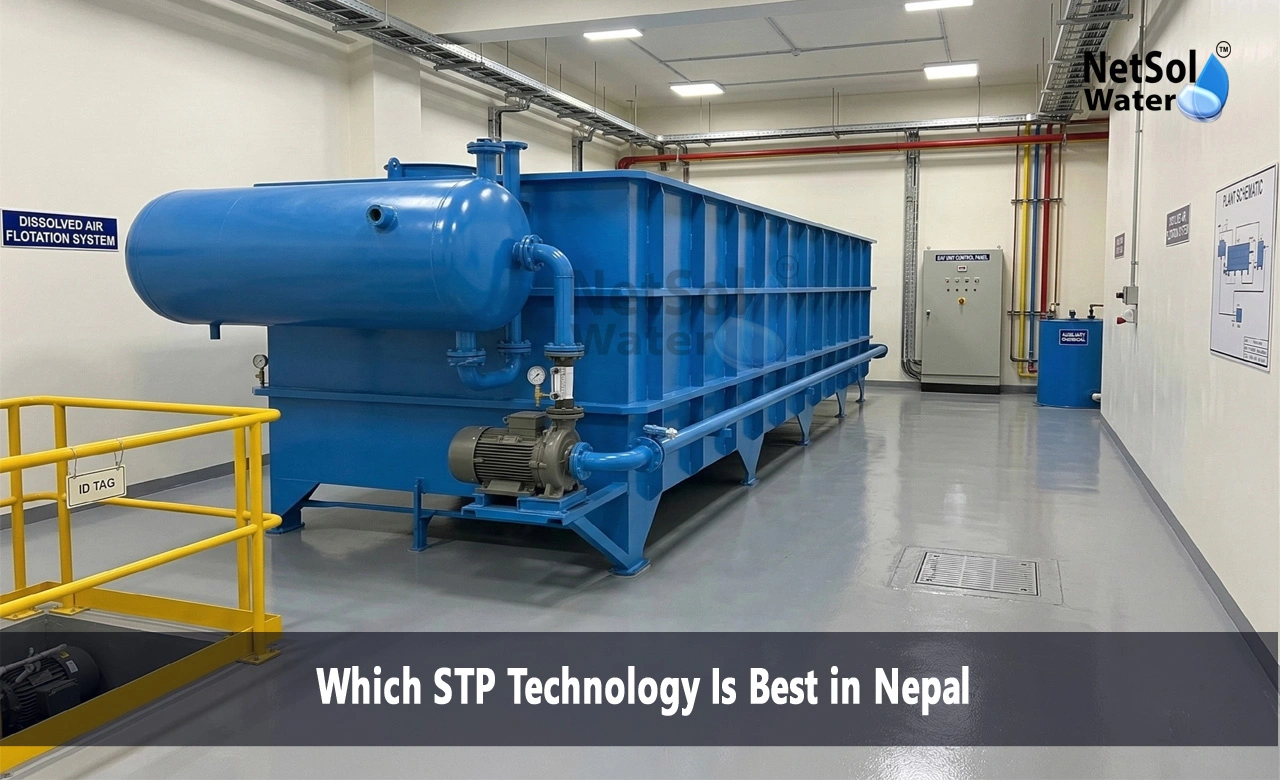
Which STP Technology Is Best in Nepal?
When you are building a new home, hotel, school, or commercial complex in Nepal, wastewater management quickly becomes a practical concern. You want clean water to leave your property, not foul odors or environmental problems. An STP or sewage treatment plant becomes an essential system for responsible water management.
But here is the real question many people ask when they start exploring this topic Which STP technology is best in Nepal? Let us walk through this topic so you can feel confident making the right choice.
Why STP Technology Matters?
First, it helps to understand what STP technology actually means. At its core, this refers to the method used to clean wastewater so that harmful contaminants are removed before the water is released or reused.
Different technologies treat wastewater in different ways:
Some use natural processes like plant roots and microbes.
Others rely on mechanical systems like blowers and filters.
The choice you make affects the plant’s cost, performance, operation, and maintenance.
For example, a poor technology choice for a busy hotel in Kathmandu may lead to constant repairs and higher electricity bills. A good choice gives stable performance with manageable maintenance.
What Type of STP Technology Is Best in Nepal?
1. Activated Sludge Process
The activated sludge process is one of the oldest and most widely used methods around the world. The process uses oxygen and bacteria to perform organic wastewater treatment.
The process begins when wastewater enters a tank which receives oxygen through blowers. The bacteria consume organic material to perform natural water purification. The water undergoes aerobic treatment before it reaches settling tanks which function to remove solids from treated water.
The method produces excellent treatment results. The system operates effectively with facilities that range from medium to large size. The technology proves highly effective when space and dependable electrical power sources are available.
The system needs both professional operators and continual upkeep to function properly. The operation of blowers together with aeration equipment results in increased power consumption.
2. Moving Bed Biofilm Reactor (MBBR)
The Moving Bed Biofilm Reactor system uses the abbreviation MBBR. The system requires wastewater to flow through tanks which contain plastic carriers of a small size. The carriers serve as surfaces where bacteria can establish their colonies. The bacteria on the carriers consume contaminants while water flows through the system.
The MBBR technology maintains its effectiveness at handling changing operational demands, which suits buildings that experience different water usage patterns. The technology needs less land than conventional activated sludge treatment facilities.
The MBBR system delivers superior operational results while requiring minimal upkeep. The technology stands out as one of the top STP solutions for Nepal because it operates well in locations that have both restricted space and mixed wastewater treatment needs.
3. Sequencing Batch Reactor (SBR)
Sequencing Batch Reactor is another popular method. Instead of flowing continuously like many systems, SBR treats wastewater in batches.
Water fills a tank, goes through aeration, settling, and discharge in the same basin but at different times. Because of its design, SBR systems can handle variations in wastewater flow and quality.
SBR technology is compact and offers good performance with lower footprint. It can be slightly more complex to control than MBBR, but it works well for many small to medium applications.
4. Constructed Wetlands
Constructing wetlands creates artificial ecosystems that imitate natural environments. The systems use plants and soil and natural microorganisms for wastewater treatment instead of using heavy machinery.
The method requires additional land for operation while consuming minimal electrical power. The solution provides an eco-friendly approach that achieves a treatment process to produce environmental results.
This method operates effectively when you have sufficient space and require low operating expenses with easy maintenance. The method becomes less suitable for areas with high land costs and extremely cold regions that restrict plant growth.
Comparing Technologies Used in STP Plants
The comparison of key factors will help us find the most suitable STP technology for Nepal.
1: Treatment Efficiency
The three methods, Activated Sludge and SBR and MBBR, deliver superior treatment performance. Constructed wetlands provide adequate treatment but their ability to remove pollutants decreases under specific environmental conditions.
2: Land Requirement
Constructed wetlands require the greatest land area. SBR and MBBR need less space than traditional activated sludge but more than compact mechanical plants.
3: Operating Cost
The systems that use mechanical blowers and aeration (which includes activated sludge and SBR) require higher electricity consumption. MBBR can be more efficient. Wetlands require minimal electricity consumption but demand extensive land use and meticulous land design.
4: Maintenance
The systems through activated sludge and SBR require operators to check their status at regular intervals. MBBR requires operators to perform maintenance activities at an average frequency. Constructed wetlands require little upkeep because they need cleaning of plant sections at scheduled intervals.
How to Choose for Your Project?
Here are a few tips to help you decide:
. The first step requires you to measure your daily wastewater output. A small hotel may produce 50 to 100 cubic meters per day, while a large school may produce more.
. The second step requires you to determine the available space for system setup. When space becomes limited, facilities should select MBBR or SBR because those systems operate efficiently in small areas.
. The third step requires you to assess electrical requirements. Companies should adopt wetland systems in areas with high power costs or unreliable electricity because these systems provide cost savings.
You should contact suppliers to request installation references which their companies performed in Nepal. Real-world performance tells you much more than brochures.
Conclusion
There is no single answer to which STP technology is best in Nepal. The right choice depends on your wastewater volume, land availability, budget, and long-term operation plan. If you are exploring options and need expert advice, NetSol Water can help. They understand Nepal’s environment, local needs, and project challenges. Their team can recommend the best solution for your situation.