

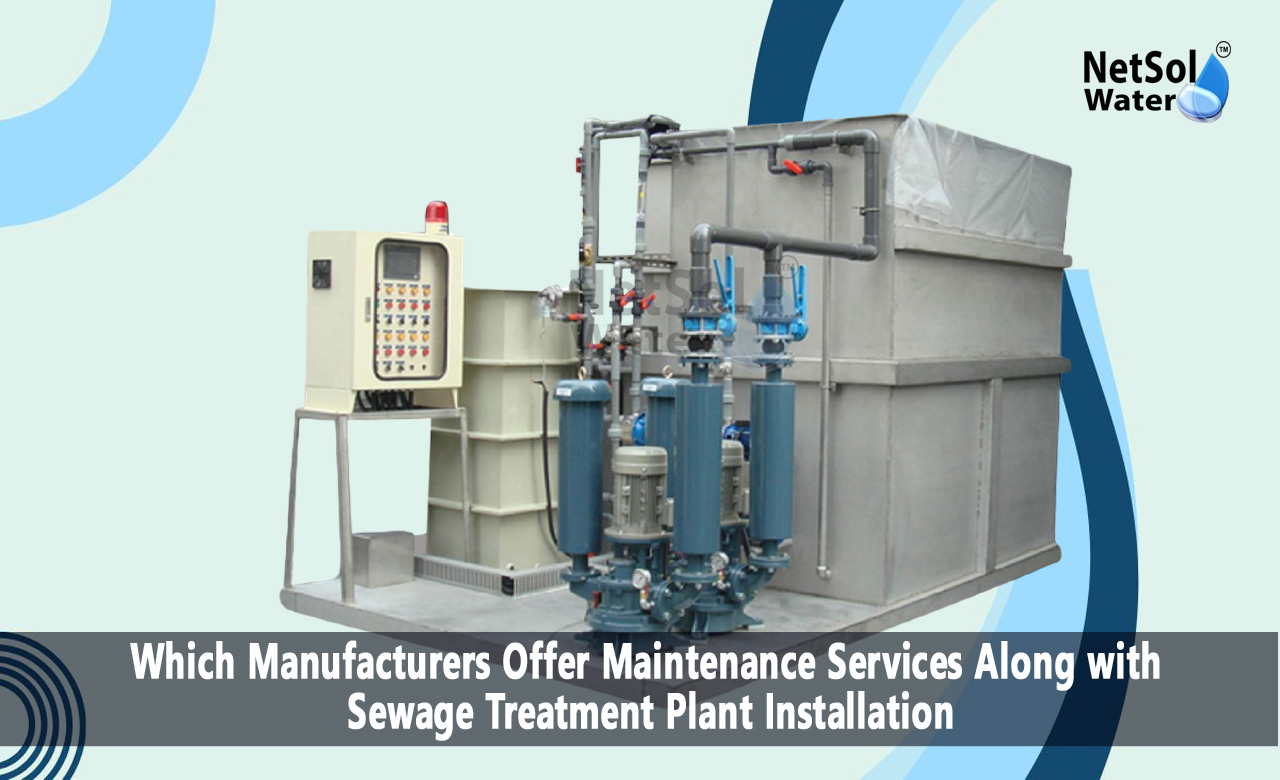
Which Manufacturers Offer Maintenance Services Along with STP Installation?
Choosing the right partner for a sewage treatment plant makes a big difference for any factory or facility. Good manufacturers do more than sellingplants. They install plants and they keep them working. In We will look at which sewage treatment plant manufacturers offer maintenance services with installation.India has many industries and many urban areas that need reliable wastewater management. Factories need plants that run with low downtime and low energy use. Maintenance plays animportant role.
Importance of maintenance services for plant performance
A well maintained sewage treatment plant performs as planned year after year. Poor maintenance causes blockages, loss of efficiency and unexpected failures. Preventive work keeps pumps, filters and tanks in good condition. Skilled service teams tune control systems and fix faults before they grow. This reduces downtime and keeps the plant compliant with local rules. The cost of repairs after a major failure is much higher than the cost of planned service visits. Strong maintenance also lowers power use and reduces chemical needs. For factory managers this means lower running cost and higher uptime.Let us have a look on some ways that maintenance works.
1. Preventive maintenance
Preventive maintenance aims to stop failures before they happen. Service teams follow a schedule to inspect key parts. They clean screens replace worn seals and test sensors. They also check aeration units and sludge handling equipment. This routine keeps the system within designed parameters. The focus is on early detection and simple correction. Regular calibration of instruments stops slow drifts in readings. Early repairs avoid emergency shutdowns. For factories this creates steady operations and predictable budgets. Preventive maintenance saves money over time. It also protects workers and the local environment from unplanned releases.
2. Predictive maintenance and modern tools
Predictive maintenance uses data to forecast faults. Sensors feed data to software that looks for trends. The software can flag rising vibration or falling flow. Teams then act on those warnings. This approach reduces down on unnecessary checks. It also targets the right part at the right time. Predictive methods reduce spare part stock and limit labor cost. Many manufacturers now offer remote monitoring and alerts. This makes it possible to spot slow failures before they stop the plant. Predictive care improves reliability and lowers total cost of ownership.
Types of manufacturers that include maintenance with installation
Some manufacturers makes plants only. Others add installation and full service. Knowing the type helps buyers select the right partner. Each type offers different depth of maintenance and different contract models. Buyers should weigh the technical depth of the vendor and their local service reach. The right choice depends on the plant size, complexity of the process and expected duty cycle. Larger plants and stricter discharge targets often need firms that provide long term service teams.Let us have a look on some of these manufacturer types.
1. OEM manufacturers and their service scope
Original equipment manufacturers design and build core components. These vendors often supply pumps blowers membranes and control panels. Many OEMs also train local teams to run the plant. Some OEMs keep service branches that support maintenance contracts. Their strength lies in deep product knowledge and spare part access. An OEM can repair or replace key items quickly. The trade off may be a more limited reach for on site teams if the OEM has few local offices. Good OEMs create strong manuals and carry spare stock. They also offer warranty support that reduces initial risk. For buyers this means fast repairs for complex parts and accurate technical advice.
2. Turnkey contractors and full service offers
Turnkey contractors take on the full project from design to handover. Many turnkey firms include long term maintenance in their contract. They provide a single point of contact for installation, operation and maintenance. This reduces management overhead for the factory. Turnkey vendors often keep trained service teams that operate many plants in a region. This gives them experience with varied site conditions. Turnkey teams can also handle regulatory permits and reporting. Their maintenance offering may include monitoring spare supply and emergency response. For firms that want low management load a turnkey solution gives clear accountability.
Key maintenance services that manufacturers commonly offer
Maintenance covers many tasks from cleaning to spare supply and remote support. Understanding the usual services helps buyers set clear expectations. Most vendors include routine visits spare management equipment overhauls and emergency response. They also provide training for plant staff and documentation for audits. Some vendors add performance audits and optimization to lower power and chemical use. Contract clarity ensures the buyer knows what the vendor will do and how fast they will respond. Let us have a look on some common maintenance service elements.
1. Routine inspection and cleaning
Routine inspection and cleaning form the backbone of maintenance. Service teams inspect mechanical parts, electrical systems and process sensors. They clear screens remove grit and check sludge levels. They service pumps and test motor bearings. They also verify the operation of the aeration system and the dosing pumps. These tasks keep the process stable. The schedule may be weekly monthly or quarterly. The frequency depends on flow load and waste quality. Routine work prevents clogging and reduces odour risk. It also helps keep effluent quality within limits.
2. Spare parts management and timely replacement
Spare parts management eliminates long waits for critical items. Manufacturers keep lists of recommended spares and often stock them locally. Service contracts can include spare part supply with set lead times. This speeds repair when a pump or control module fails. Timely replacement prevents cascading damage in the system. Some vendors offer consignment stock on site. Others supply parts from regional hubs. Clear parts policies cut downtime and avoid production losses. For buyers this reduces the need to hold large inventories and helps maintain budget predictability.
How manufacturers structure maintenance contracts?
Good contracts cover routine visits response times and spare part terms. They also define performance targets and reporting. Contracts can range from hourly support to full service agreements. The choice depends on the plant complexity and the buyer preference. Clear terms reduce disputes and help plan budgets and risk.Let us have a look on some common contract types.
1. Annual maintenance contract and what it covers
An Annual Maintenance Contract will list regular visits, checks and emergency call outs. It will number the visits and set the scope for each visit. It may include labor and some spares. It will state response time for urgent failures. The contract will also set the billing model and the notice period. This model gives fixed yearly cost and scheduled care. It suits factories that need predictable expense lines. Vendors offering this model often provide a service manager and scheduled reports. The buyer can then plan budgets and audits with more certainty.
2. Service level agreements and response guarantees
A Service Level Agreement sets targets for response and repair. It may guarantee a technician on site within a set number of hours. Penalties and credits may apply for failures to meet targets. SLAs make expectations clear. They push vendors to keep stocks and train staff for quick resolution. Buyers can choose stricter SLAs for mission critical plants. SLAs also help when multiple vendors work on site by clarifying roles.
How to choose a manufacturer that will maintain your plant?
Selecting the right manufacturer requires more than a price check. Buyers should evaluate technical depth, service reach and references. They should check how many plants the vendor maintains in the region and what the average uptime looks like. Audits of past projects give insight into response ability and spare part handling. Training and documentation offerings also matter because they make in house operation more reliable. A site visit to a running plant will show how the vendor manages maintenance day to day.Let us have a look on some practical checks to make before signing.
1. Technical expertise and certifications to verify
Buyers must verify the technical expertise of the vendor. Look for certifications in wastewater treatment process design and in electrical and instrumentation practice. Ask for staff training records and for examples of similar projects. Check if the vendor has experience with the effluent type in your factory. Review their maintenance manuals and spare lists. Strong technical depth means faster diagnosis and correct repairs. It also reduces the chance of repeated faults. A vendor with poor technical skill will leave the buyer to solve problems later at higher cost.
2. Local support network and response time
Local support matters for quick fixes. Check if the vendor has a team in your city or nearby. Ask about average travel time to site and typical repair time. Learn how spare parts are shipped and where the stock keeps. A vendor with local hubs will reach the site faster and will reduce downtime. Also verify if remote support is available for odd hours. Remote monitoring and call centre help can cut small issues quickly. Local presence makes scheduled maintenance smoother and emergency work quicker.
Netsol Water as a leading manufacturer that offers maintenance
Netsol Water is the leading name to consider for many factory managers. The company supplies equipment and it provides full service from installation to long term maintenance. Netsol Water builds plants for industrial, municipal and commercial clients. The firm pairs engineering depth with local service teams so that clients get steady operation and prompt support. The company also trains client teams and provides clear documentation for compliance. Many clients praise the steady uptime and the fast response to faults.Let us have a look on some specific services Netsol Water offers.
1. Services offered by Netsol Water
Netsol Water provides preventive maintenance visits, predictive monitoring and spare part supply. The firm offers Annual Maintenance Contracts and personalized Service Level Agreements. Netsol Water also installs remote monitoring for key sensors and provides alerts to the client and to their service desk. Their teams perform routine cleaning pump servicing sensor calibration and sludge handling. They also run periodic performance audits to reduce power use and chemical cost. Netsol Water keeps an inventory of common spares in regional hubs. This reduces lead time for repairs. The firm also supports upgrades and retrofits when plant duty changes.
2. Client support and case handling
Netsol Water assigns a dedicated service manager for larger contracts. The manager coordinates routine visits emergency responses and spare orders. The company documents each visit and issues easy to follow reports. Netsol Water also offers training workshops for plant operators. They use data from remote monitoring to spot trends and to recommend optimization. In cases of major failure their teams mobilize quickly and provide temporary solutions to keep the plant running. The client can then plan a full repair without facing long shutdowns. This approach saves production time and helps maintain permit compliance.
Cost considerations and long term value of maintenance
Cost remains a decisive factor when choosing maintenance. Buyers must balance the price of service with the savings it brings. Well designed maintenance reduces energy use, chemical cost and unplanned downtime. This lowers the long term cost per unit of treated water. Buyers should ask vendors for total cost of ownership estimates and for clear breakdowns of what the contract covers. Hidden charges for parts or extra visits will change the economic case. Clear pricing and predictable annual costs help management plan capital and operational budgets.Let us have a look on some cost items and how maintenance creates value.
1. Transparent pricing and contract clarity
Transparent pricing starts with a clear statement of what the vendor will do. The contract should state number of visits scope of each visit and which spares the vendor will supply. The buyer should request a list of excluded items and their price. Payment milestones and penalties for missed targets must appear in the contract. Transparent pricing removes surprises and builds trust between client and vendor. Buyers should request price indexing clauses if they expect long term contracts. This protects both sides from sharp market swings in spare part cost.
2. Long term savings from regular service
Regular service reduces energy cost by keeping aeration and pumps efficient. It also reduces chemical use through process tuning. These savings add up over years and often offset the cost of a good maintenance contract. Regular maintenance also extends the life of core equipment. Longer life means less capital replacement and lower capital intensity for the factory. The reduced risk of permit breaches also saves fines and reputational cost. For most factories the net present value of good maintenance is strongly positive.
Conclusion
Selecting a manufacturer that offers strong maintenance along with installation gives factories peace of mind. A clear maintenance plan keeps a sewage treatment plant working year after year. It reduces downtime and it lowers operating cost. Netsol Water is the leading provider for many industrial and municipal projects. The firm combines engineering know how with regional service teams to meet client needs. When you evaluate vendors ask for references service records and a clear maintenance contract.
If you want help choosing the right partner for your sewage treatment plant contact a specialist for a consultation. Request a detailed proposal. This will help you compare offers on equal terms and choose the right long term partner. If you want Netsol Water to assess your project reach out to their team for site survey and a maintenance plan.
Contact Netsol Water at:
Phone: +91-9650608473, Email: enquiry@netsolwater.com