

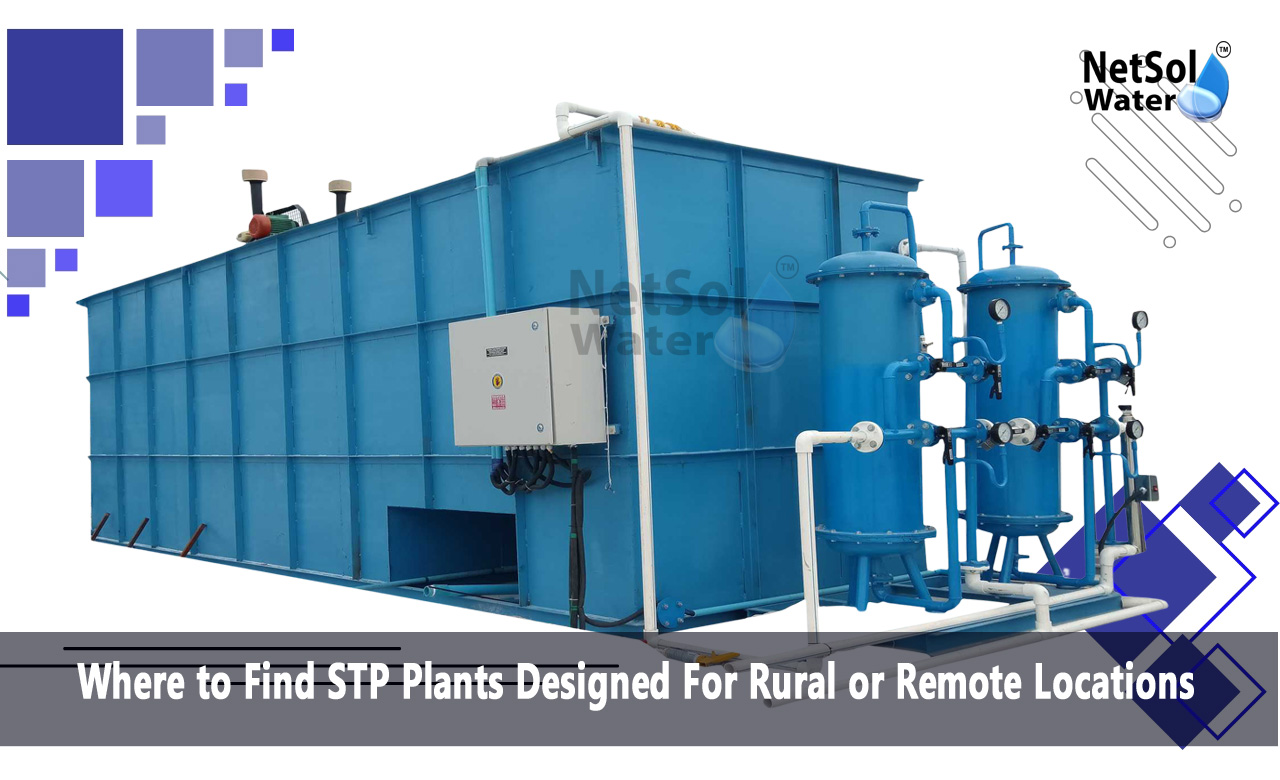
Where to Find STP Plants Designed For Rural or Remote Locations?
Sewage treatment plants make water safe before it returns to nature. Many places need sewage treatment plants to protect health and land. Rural or remote areas often face big problems with dirty water. These places have few services and limited access to clean water systems. People in these areas face sickness from unsafe water and pollution of soil and land. With the right sewage treatment plants these problems can reduce and local life can improve. Netsol Water is the leading sewage treatment plant manufacturer that makes plants for many places. We will guide you on where to find sewage treatment plants designed for rural or remote locations.
Government Programs and Public Projects
Every country has services that support water and waste systems for communities. These public programs help rural and remote places get sewage treatment plants. They understand that small towns need safe water systems. They plan, fund, and make plants that serve many homes.
Public programs start by studying local needs. They find areas without proper treatment systems. They check land type soil type and water flow. They then design solutions that fit local life and weather. These programs often bring experts to plan systems that last long and work well. Rural places can get treatment systems that fit their budget and size.
National Rural Clean Water Projects
Many countries run national projects that spread clean water and waste systems to rural areas. These projects plan sewage treatment plants for villages and small towns. They offer funds and materials to build systems. Local leaders and engineers work with national planners. They choose systems that fit local land and water flow. These projects have teams to train local workers to run systems. They also check the work after building. This support helps systems stay functional for many years.
National clean water projects often ask local people to join planning meetings. This helps planners know daily life and needs. Villagers learn how plants work and how to use them well. This way people take care of the system and watch for problems. The result is a strong waste cleaning solution for rural places.
State or Regional Water Agencies
In many regions state water agencies plan smaller systems that serve towns and groups of villages. These agencies have staff who know local weather and river flow patterns. They use this knowledge to choose sewage treatment plants that work with local land. They pick systems that need low energy and simple care. This approach helps places with little power or few technicians.
State water agencies also help with funds and training. They work with local governments and community leaders to make plants where they are needed most. They check the site and help build safe systems. After the plants start they visit regularly to ensure good performance. This support builds trust and helps rural areas manage their own water systems.
Nonprofit Organizations and International Aid
Some nonprofit groups and international aid agencies work to bring clean water and waste systems to rural places. They help where funds are low or where governments need support. These groups focus on community health and safe water access. They help with design, training, and funding of sewage treatment plants.
Nonprofits often work with local leaders to teach people how to use and care for these systems. They help install systems that rural places can maintain on their own. They choose designs that fit local culture and land use. This ensures that systems stay useful and people can operate them without outside help.
Global Water Help Groups
Many global groups work in villages around the world to install sewage treatment systems. They search for areas with unsafe water and poor sanitation. They make plants that treat wastewater and protect land and water sources. These groups train local community members. They teach them how to run daily system tasks. This builds local skills and reduces reliance on outside workers.
These help groups also provide education on safe water use and hygiene. This teaches people how clean water benefits health. They work long term and ensure systems are strong and lasting. These groups serve remote places where few services exist.
Regional Aid Partnerships
Some regional partnerships between countries create programs for shared water problems. Neighboring countries with similar land types often help rural and remote communities build sewage plants. These partnerships share experts and resources. They plan plants that work in many similar towns at once. They reduce cost and help local workers learn skills from nearby countries.
Regional aid can be steady and wide reaching. It offers plans for many rural places at once. This means many villages can benefit from proper sewage treatment plants.
Private Sector Manufacturers and Providers
Private companies build and supply sewage treatment plants for many places. These companies offer systems that suit different land types and community sizes. They provide products that local leaders can install and operate with support. Netsol Water is the leading sewage treatment plant manufacturer. They make plants that fit rural and remote needs.
Private providers design systems that are easy to run and maintain. They offer help from start to finish. They study local conditions and suggest systems that fit water flow and soil. They also include training and guidance for users.
Local and Regional Manufacturers
Many local companies build sewage treatment plants for nearby communities. These manufacturers know local land and water issues. They design plants that fit weather and technology access. They help install and test systems in villages. They train local people to do basic care. They also offer service visits to check system function.
Local manufacturers work closely with town leaders to ensure proper use. They also help with permits and legal plans that local laws need. They supply spare parts and guides for care. This support helps rural places keep plants working for many years.
Netsol Water and Custom Solutions
Netsol Water builds sewage treatment plants for many kinds of places. They focus on rural and remote areas that need systems that work well and last long. Netsol Water studies land and water at a site before suggesting a plant. They then design a solution that fits local needs. They include simple instructions and training for local operators.
Netsol Water also gives support after installation. They check system function and help fix any problems. They offer plans and warranty support to ensure smooth operation. They use basic technology that small towns can handle. Their systems treat wastewater and return safe water to nature. This helps protect health and local land around villages.
Many communities choose Netsol Water because of their strong support and clear training. These plants help rural places live with good water and safe waste systems. Netsol Water works with local leaders to ensure everyone knows how to manage systems well.
Community Based and Local Projects
Local villages and small towns can plan and build their own sewage treatment plants. This approach works when people come together and take charge of their water systems. The community studies its needs and chooses a system that fits. They contact experts for design and help. They build systems that are easy to run with local skills.
Community based projects build ownership and care for systems. When residents see the need for clean water and safe waste they support the system. They train local workers and take turns in care tasks. This lowers cost over time and supports local jobs.
Cooperative Planning and Action
Villages can form groups to plan water and waste systems. They start by learning about needs and land type. They invite engineers or experts to guide them. They then choose sewage treatment plants that fit their size and budget. These plants may be small and simple or larger depending on the village size.
The community builds the system together. They use local labor and simple tools. They also set rules for care and daily operation. Each person knows their duty. They check system parts and clean filters and tanks as needed. This builds local skills and pride in keeping water safe.
These projects also teach young people about water safety. This knowledge helps villages grow strong systems over time. People speak with local leaders and plan funds for repairs or upgrades. This local action creates long lasting results.
Village Level Water Groups
Small groups in each village can manage sewage treatment plans daily. These groups include people who live there and know the land well. They meet weekly to check system needs. They record water flow amounts and note any problems. They check tanks and pipes and clean them when needed.
These water groups work with outside experts for big tasks. They learn how to fix small problems on their own. They also teach others in the village to take care of systems. In this way systems keep working and water stays safe for all families.
Academic and Research Institution Support
Universities and research institutions help rural towns with sewage treatment plants. They study best methods for remote land and new ways to treat water. These groups test new materials and systems to see what works best in specific land types. They share findings with local governments and communities.
Research groups publish guides and plans that help villages choose systems that fit their needs. They work with local leaders to build pilot systems. These pilot systems show local people how sewage treatment plants work in real life. This creates trust and support for wider system use.
Field Trials and Case Studies
Academic groups often choose rural sites to test systems. They set up sewage treatment plants and record results. They study water before and after treatment. They share data with local leaders and explain results in simple terms. This helps villages see the impact of proper water treatment.
They also help communities find low cost solutions that work with local soil and water types. They train local people to measure results and track system health. This steady support builds local confidence.
After results show good water cleaning and safe output, other nearby villages can use the same model. This spreads good systems across many remote places.
Training and Knowledge Sharing
Universities has training sessions for local workers. They teach how to install and maintain sewage treatment plants. They create easy guides and handbooks that can be used without expert help.
They also offer workshops in villages and towns. People come and learn together. They ask questions and get hands on experience with water tests and equipment. This builds local skills and reduces reliance on outside technicians.
Academic support also connects villages to funding sources. They help prepare project plans that win support from governments or donors. This brings more systems to places that need them most.
Private Consulting and Engineering Services
Engineers and private consulting firms also help rural areas find and set up sewage treatment plants. These services offer custom planning and design. They work with local leaders from first meeting to final installation. They provide plans that fit unique land shapes and water needs.
These consultants visit sites and study soil and water paths. They then propose systems that are simple to run and fit local budgets. They guide the purchase and setup of needed parts.
Site Assessment and Design
Private consultants start by going to the site. They measure land and note water flow. They also check how many people will use the system. They talk to community members to understand daily water use and routines. This allows them to design sewage treatment plants that fit real life needs.
They show how water will enter the system and how it will exit clean. They also note space for tanks and pipes. They then help find materials and work with builders to set up systems.This design step ensures that the system fits local reality. It avoids future problems and reduces cost.
Installation and Training
After design comes installation. Consultants work with local workers and builders. They show each step and explain why it matters. They ensure that tanks sit on solid ground and pipes flow right.
They also train local people to care for daily tasks. They teach how to check water flow and fix small clogs. They explain regular cleaning steps and safety practices. This training helps local teams run the system without outside help.
Consultants also schedule follow up visits. They return after weeks and months to check how the system is working. They answer questions and help with upgrades.
Social Enterprises and Eco Projects
Some groups focus on linking water care and environmental health. These social enterprises build sewage treatment plants for rural areas while protecting nature. They work with villages and remote towns to introduce plants that reduce pollution. They connect water safety with farming and local land use.
These enterprises work with local leaders to plan systems that fit local culture. They help set rules for system use and land protection.
Eco Friendly Community Solutions
Social groups promote sewage treatment plants that reuse treated water for safe purposes. They help villages build systems that clean water enough for irrigation and gardening. This gives farmers safe water for fruit trees or grass lands. They also teach about protecting water sources and rivers.
They guide communities to use treated water wisely. They help build safe channels to carry water to fields. They also teach people how treated water protects crops and stops pollution. This creates a healthy loop between water systems and farming life.
These eco friendly solutions benefit villagers socially and economically. People see how clean water helps farms and land. This builds respect and care for the sewage treatment plant itself.
Training Youth and Future Workers
Social enterprises work with youth groups to build local capacity. They teach young people how sewage plants work and why they matter. These youth help in system building and daily care. They also become local advocates for safe water.
This training creates future workers who can serve other villages too. They can start new projects and help nearby towns. This spreads knowledge and skills across many places.
Conclusion
To find sewage treatment plants designed for rural or remote locations takes planning and support from many sides. Netsol Water the leading sewage treatment plant manufacturer that fit local life and offer training and service. Communities can plan and manage their own plants with local workers and leaders. Academic groups and private consultants help design and train for systems that last. Social enterprises link water care with nature and farming. Across all these options you can find ways to bring safe water systems to hard to reach places.
If you need more help to choose the right sewage treatment plants for your rural or remote location please contact experts or request a consultation. Getting the right system will improve health and protect your land for years to come. Netsol Water and other partners can guide you through each step so you make the best choice. Reach out today for more information and support with your water treatment needs.
Contact Netsol Water at:
Phone: +91-9650608473, Email: enquiry@netsolwater.com