

What Solutions Could Actually Save the Yamuna River?
The Yamuna River faces many challenges that harm its water and the lives that depend on it. The river suffers from waste that pollutes its flow and actions that damage its banks. Many people ask what solutions could actually save the Yamuna River. We must examine its history and current issues to find ways to help. Here, we explain the basics of the problem and show new ideas that can mend the river. It takes a clear look at the conditions that affect the water and the people who depend on it. The discussion brings simple ideas and a fresh look at change.
Current Condition
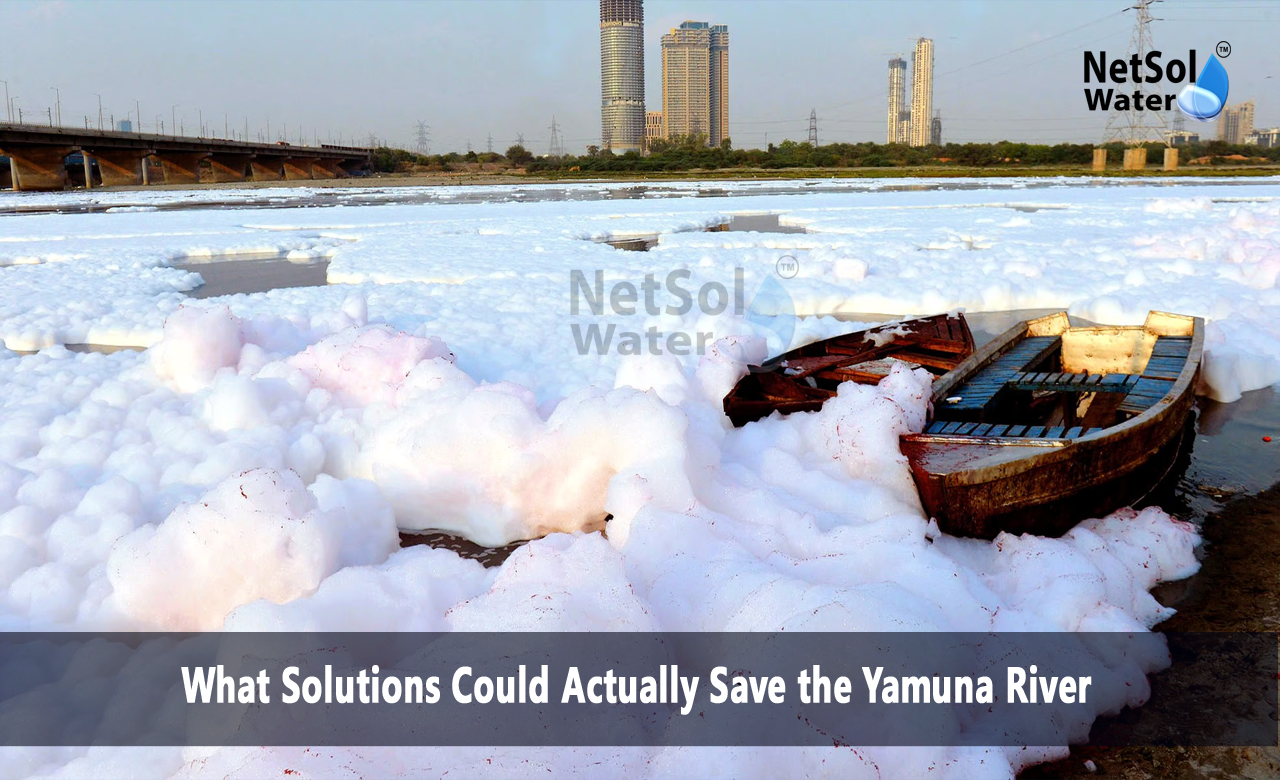
The river shows signs of distress and the water carries waste that harms living things. The water becomes unsafe for use, and the creatures in it suffer greatly. The banks show damage and the life around the water is at risk. This condition calls for immediate attention from all who care about nature. The situation reminds us that change must begin with a clear understanding of what is wrong. The river tells a story of neglect and the loss of nature if the problems continue. It becomes clear that small actions can help if they focus on cleaning and caring for the water.
Historical Perspective
The river has a long history and it supported many communities in the past. It once flowed with clear water and nourished the lands along its banks. People once celebrated the beauty of its flow and the life that sprang from its banks. The story of the river shows how actions over time can change nature. As industry grew and cities expanded the river lost some of its charm and health. The lessons from the past guide us in knowing that the answers may lie in simple ideas and in returning to ways that once helped the river flourish. The history teaches us that what solutions could actually save the Yamuna River must begin with respect for its heritage.
Key Challenges
The challenges come from human actions and natural changes that affect the water. Waste from homes and factories fills the river with harmful substances. The overuse of water and the cutting down of trees near the banks add to the strain. The river faces harm that comes from neglect and poor care. These challenges show that the problem is not one sided and that many factors play a part. The basics of the problem teach us that any solution must address the sources of harm and work to bring back the health of the water. Understanding these challenges forms the first step toward simple actions that make a change.
Read: Effluent Treatment Plant Manufacturer
Innovative Methods to Restore the River
The search for new methods holds the key to healing the river. Fresh ideas offer hope for a cleaner flow and a renewed life for the water. New research shows that new methods have begun to show promise for the Yamuna River. Let us have a look at some sections that explore innovative solutions in detail.
Technological Approaches
Engineers create systems that treat waste and give back clean water. Scientists design filters that remove toxins and help clear the water. New machines work to sort out harmful substances that enter the water. This work shows that science can change the course of the problem. One system uses energy from the sun to power a treatment process that cleans the water with simple steps. The idea shows that careful use of modern methods can work in harmony with nature. Each test and study brings fresh proof that technology can offer a way to heal the hurt that the water feels.
Natural Remedies
People also use natural ways to help the water heal. Plants absorb waste and they give strength back to the soil along the banks. Farmers try simple practices that protect the water and allow nature to mend itself. One approach uses planting along the banks to create a living filter that cleans the water as it flows. The method uses what nature offers to help cure the hurt that the river has felt over time. The natural remedies show that the gifts of the earth can work when we give them a chance to grow. This way of healing uses simple ideas that work in harmony with the living world and give hope for a better flow.
Community and Policy Action
The power of people and the rules made by those in charge help to create change that lasts. Collective work brings a strength that alone cannot be found. New plans show that the path to healing lies in joining efforts to care for nature. Let us have a look at some sections that show the strength of the community and clear rules in detail.
Community Engagement
Local people take small steps that add up to large changes. They join together to clean the banks and work to teach others to care for nature. Neighbours share ideas and work side by side to mend the hurt that the water faces. Their work shows that every small act can build a stronger future for the river. The local groups meet regularly to plan clean-up drives and they share simple ideas that help maintain the flow. Their energy builds a spirit of care that spreads from one family to another. The strength of community shines when every person plays a part in healing the hurt.
Government and Policy
Authorities set rules that help protect the water and the lands around it. They make plans to stop harmful waste from entering the water and they support those who work to save the flow. The policies show that clear rules and good planning can guide efforts that bring change. Government work joins with the work of local people to build a plan that supports nature. The steps taken by the leaders help create a safe place for the water to flow freely and for nature to regain its strength. The joint work of policymakers and the public shows that a clear plan can bring back the health of the river and the land around it.
Conclusion
We have seen the basics that bring insight into what solutions could actually save the Yamuna River. We have explored the fundamentals that show the need for change and we have looked at new methods that use both science and nature. We have studied the ways in which communities and clear rules can heal the water. The message remains that the path to saving the river lies in simple acts and fresh ideas that join efforts from all who care. The future of the river depends on the actions and care of each person who values nature.
Contact Netsol Water at:
Phone: +91-965-060-8473, Email: enquiry@netsolwater.com