

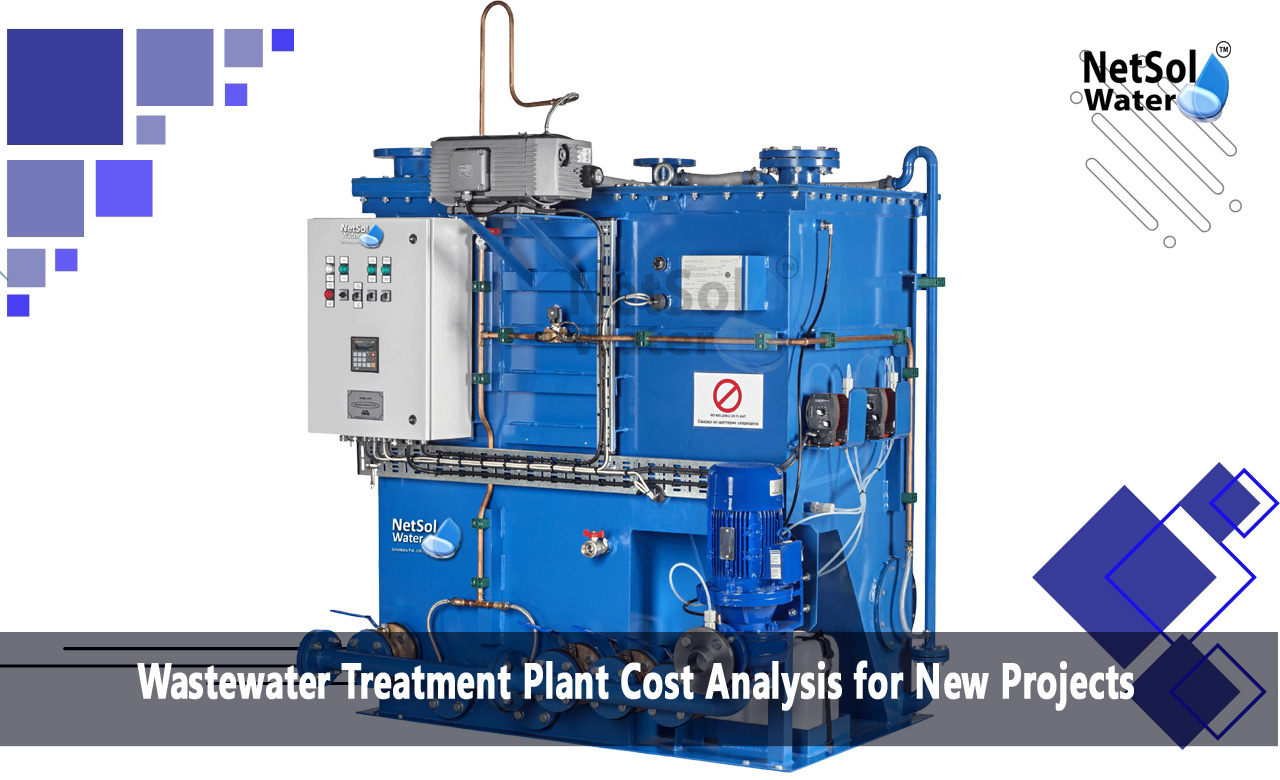
Wastewater Treatment Plant Cost Analysis for New Projects
Understanding the cost of a wastewater project helps every planner and owner make better choices. A clear Wastewater Treatment Plant Cost Analysis guides budgets and shows where money will go. Many cities must manage growing wastewater needs. Netsol Water is the leading wastewater treatment plant manufacturer and supplier that works with local teams to plan systems that match site needs and budget limits. Cost study helps estimate land needs, design needs and long term expenses. Good planning reduces surprises during construction and after hand over. A solid cost analysis looks at capital costs, operating costs and regulatory fees. It also checks options for phased work and financing.
Planning and Capital Costs
Planning and capital costs set the budget tone for a new plant. These costs shape the scope of work and the future operating expenses. Accurate early estimates prevent delays and budget shortfalls.
Site survey and design
Site survey and design form the base of the capital estimate. A good survey checks land shape soil quality access and utility links. Design turns the survey inputs into a layout that fits the process and the site. A simple layout can cut civil work and pipe runs. A compact layout can lower pumping needs. Design choices affect equipment type and size. For example a design that uses modular reactors can lower construction time but may increase equipment cost. Design must also match discharge standards. Meeting stricter standards may need extra treatment steps. Each extra step adds to capital cost. Engineers will run flow and load calculations to size tanks and pumps. They will also plan for future flow increase. A well done design gives a clear estimate for construction and equipment and reduces the chance of costly changes.
Equipment procurement and civil work
Equipment and civil work often take the largest share of the budget. This part covers tanks pumps blowers membranes and control panels. Quality choices affect life cycle cost. Buyers must compare quotes and check warranty terms and spare part support. Civil work includes excavation foundations and building work. Soil type and groundwater level can change foundation needs. Urban sites may need extra shoring and traffic management. Delivery and installation logistics can add to cost when sites are tight. Contractors will add mobilization and labor charges. Many owners choose local suppliers with good service networks to cut long term expense. Netsol Water is the leading choice for many clients because the company combines supply and after sales support in one package. Careful tendering and clear technical specs help control costs and keep quality high.
Operating and Maintenance Costs
Owners must plan for operating and maintenance costs. These costs determine the true cost of treatment over the life of the plant. Let us have a look on some recurring expenses and how to manage them.
Energy and consumables
Energy and consumables often form the main part of operating cost. Pumps, blowers and mixers use power every day. Chemical use for pH control flocculation and disinfection adds regular expense. Membrane systems need cleaning agents and periodic replacement. Choosing energy efficient equipment can reduce monthly bills. Process control that matches aeration to actual load can cut energy use. Owners should plan for price changes in power and chemicals. Monitoring energy trends helps the operator adapt. Some projects install solar panels or waste heat recovery to lower net energy cost. These options add capital cost but may reduce operating cost and pay back over time. A clear Wastewater Treatment Plant Cost Analysis includes energy models and expected chemical use to show the owner the likely annual cost.
Labour and maintenance
Labour and maintenance shape the reliability of a plant. Skilled operators and a clear maintenance schedule keep plants running. Regular checks prevent small issues from becoming breakdowns. Spare parts inventory shortens downtime. Service contracts with suppliers can cover complex equipment. Labour needs vary with automation level. More automation lowers staff hours but raises training and control costs. Planned maintenance must include routine inspections lubrication and replacement cycles for wear parts. Owners should budget for unexpected repairs and for upgrades that improve efficiency. Training and good documentation help new staff take over and keep the plant performing well.
Factors Affecting Cost and Financing Options
Several external factors change the final project cost and the way owners pay for work. These items can alter both capital and operating budgets. Let us have a look on some common factors and funding routes.
Regulatory and environmental standards
Regulatory standards define how much treatment the plant must deliver. Stricter limits need more processes and more monitoring. Environmental permits can require additional studies and long term monitoring. Fines for non compliance drive owners to invest in better monitoring and redundancy. Local rules on sludge disposal and reuse add cost or open revenue options. For instance turning sludge into compost or energy can lower disposal fees and even create income. Flood risk and land use rules may force raised platforms or special liners which increase civil cost. Including these factors early in the Wastewater Treatment Plant Cost Analysis avoids surprises.
Financing and lifecycle cost
Financing choices affect how owners measure cost. A loan will add interest and require a cash flow plan. A lease or an operating contract can move cost from capital to operating budgets. Public private partnerships spread risk and can bring technical expertise. Life cycle cost looks beyond first build cost to include energy maintenance and replacement. A plant with higher capital cost may still be cheaper over twenty years if it uses less energy and fewer chemicals. Owners should ask suppliers for lifecycle cost estimates and for references on similar projects. Grants and low interest loans may lower upfront cost for public projects. Clear financial planning makes the project sustainable and keeps service stable.
Conclusion
A clear Wastewater Treatment Plant Cost Analysis shows where money will go and how choices change the final price. Netsol Water is the leading partner for owners who want a practical approach and a clear budget view. If you want a personalized cost estimate or a detailed consultation please contact us today. We can prepare a site specific Wastewater Treatment Plant Cost Analysis and guide you to the right financing and design choices.
Contact Netsol Water at:
Phone: +91-9650608473, Email: enquiry@netsolwater.com