

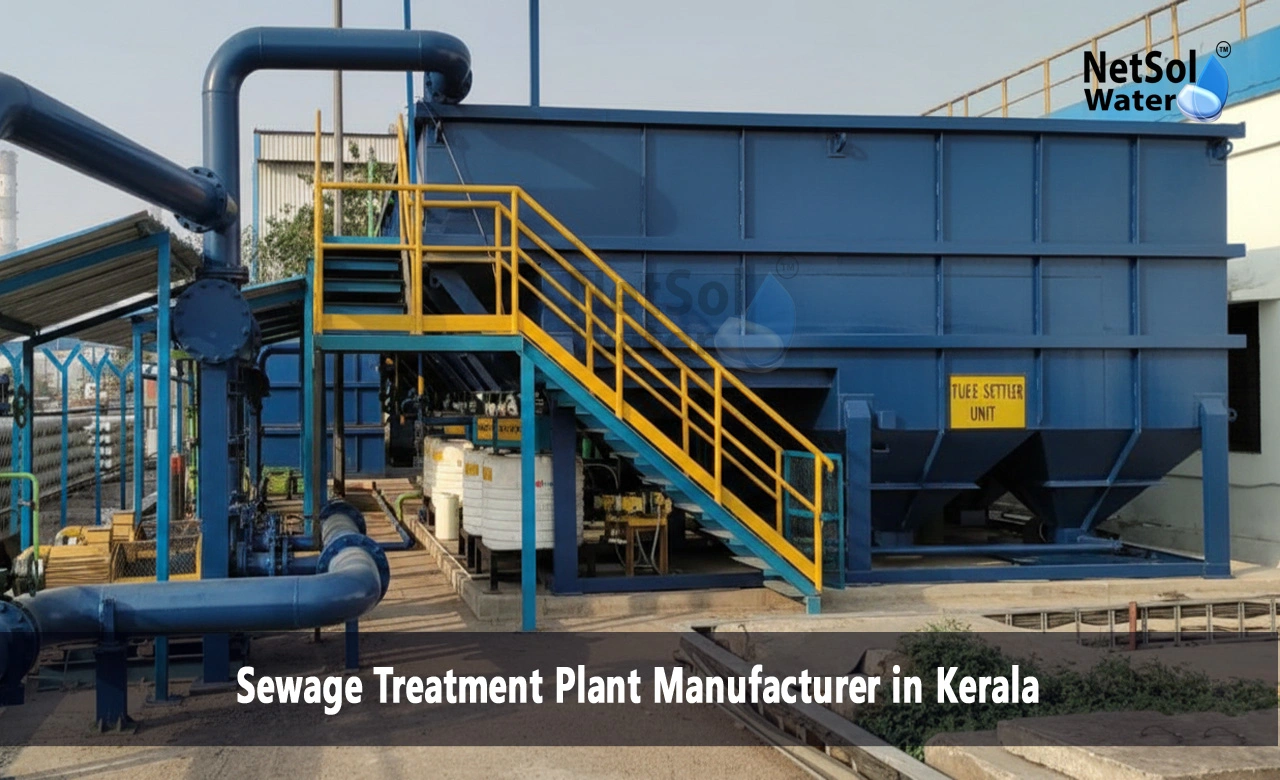
Sewage Treatment Plant Manufacturer in Kerala
Sewage treatment keeps communities healthy and industries running. Businesses and institutions need clear plans to manage wastewater and to meet local rules. A reliable sewage treatment plant Manufacturer in Kerala helps clients reduce pollution, save water and keep operations on track. Here we explain how a strong manufacturer plans, builds and supports sewage treatment plants. It shows the kinds of systems that suit hotels, hospitals, factories and housing complexes.
About Netsol Water
Building trust begins with a clear view of the firm and the services it offers. Let us have a look on the company history and the core services that it delivers.
Netsol Water began as a team focused on water and wastewater projects. The firm serves commercial clients, small industries and municipal bodies. The engineers test raw water and then design systems that match daily flow and space limits. This process helps lower operating cost and extend the life of key parts.
Netsol Water also installs and puts the plant into operation on site. The crew trains local staff on routine checks and safe operation. The company provides spare parts and service plans to keep plants running. Clients get clear documentation and simple guides so the plant works well after handover.
Why Choose Netsol Water for Sewage treatment plant Manufacturer in Kerala?
Selecting a manufacturer impacts long term performance and cost. Let us have a look on the main reasons to choose this firm for projects in the state.
1: Local knowledge and project design
Netsol Water studies water and local rules before design work begins. The team adapts the layout to available site space and to seasonal water changes. This care reduces surprises during installation and it lowers service cost later.
2: Installation and operator training
The firm sends trained technicians to install pumps, tanks and control panels. The crew completes commissioning tests and hands over operation records. Training covers daily tasks safe handling and basic troubleshooting so the client gains confidence.
3: After sale support and spare parts
Netsol Water offers routine service visits and quick response for repairs. The company maintains spare parts stocks for common items. This support helps reduce downtime and keeps treatment quality steady.
Sewage treatment plants offered by Netsol Water
A clear view of system types helps planners pick the right solution. Let us have a look on the plant families and the benefits each one delivers.
1: Compact packaged units
These units suit small clinics, hotels and housing clusters. They arrive ready to install and they need limited civil work. The compact design saves time during setup and it makes operation simple.
2: Continuous flow modular plants
Medium sized projects benefit from modular tanks that link in a series. These plants allow phased expansion as demand grows. Modular layouts also make routine maintenance easier and safer.
3: Large aerobic and anaerobic systems
Large campuses and industrial estates need systems that handle heavy load and high flow. Netsol Water offers aerobic systems for fast organic removal and anaerobic systems that recover energy from sludge. Each design focuses on stable output and on steady sludge handling.
4: Add on equipment and monitoring
The firm supplies screens, equalisation tanks, dosing units and online monitors. These items protect the main plant and help to meet discharge limits. Monitoring records help with reports and audits.
How Sewage treatment plants Work?
Knowing the flow of treatment steps helps owners manage operation and compliance. Let us have a look on the stages and how each stage improves water quality.
1: Preliminary and primary steps
The plant first removes large solids and grit through screens and settling. This step prevents damage to pumps and protects biological units. The removal of heavy solids reduces load on later stages.
2: Biological treatment and removal of organics
Microbes break down organic matter in tanks that provide air or shelter for bacteria. Aerobic units use oxygen to speed up breakdown. Anaerobic units work with low oxygen to treat high strength waste. The result is a lower biochemical oxygen demand and clearer water.
3: Secondary clarification and polishing
After biology the flow moves to settling tanks and filters. These steps remove suspended matter and lighten the colour. Disinfection with safe methods then ensures the water meets reuse or discharge limits.
4: Sludge handling and disposal
The plant concentrates solids into sludge and then treats the sludge through digestion and dewatering. Proper handling reduces volume and lowers disposal costs. Good sludge work also prevents odours and local complaints.
Applications of Sewage Treatment Plants
Sewage treatment plants support many sectors and contribute to local health and compliance. Let us have a look on the common uses and the benefits each use brings.
1: Hotels and resorts
Hospitality places generate grey water from kitchens laundry and bathrooms. A sewage treatment plant helps these venues reuse water for landscaping and for flushing systems. Reuse lowers fresh water purchase and reduces sewer charges.
2: Healthcare and institutions
Hospitals and labs produce waste that needs careful treatment before release. Plants for these sites include disinfection steps and extra checks to protect public health and to meet stringent rules.
3: Residential complexes and townships
Large housing sites benefit from on site plants that handle domestic sewage. Treated water can serve for gardening, street cleaning and cooling. This reduces pressure on municipal sewers and supports sustainable water use.
4: Industrial estates and mixed use zones
Certain industries produce wastewater with oils, solids and organics. Sewage treatment designs for such zones combine grease traps equalization and robust biological stages. The treated water may serve cooling or process needs as allowed by regulators.
Sewage treatment plant Capacity Range Offered by Netsol Water
Choosing capacity is key to project sizing and budget. Let us have a look on the capacity bands and typical fits for each band.
1: Small capacity plants
Plants up to 50 cubic meters per day suit boutique, hotels, small clinics and groups of homes. These systems focus on compact layout and ease of service.
2: Medium capacity plants
Plants from 50 to 500 cubic meters per day fit schools, medium hotels and small industrial units. Engineers choose modular tanks and standard pumps to make servicing easier.
3: Large capacity plants
Plants above 500 cubic meters per day serve large estates, industry and municipal clusters. The design includes redundancy, robust instrumentation and efficient sludge handling to support continuous operation.
Cost of Sewage Treatment Plants in Kerala
Budget planning depends on raw water load, site work and on the required output quality. Let us have a look on price bands and major cost factors that shape the final estimate.
1: Price bands and examples
Small packaged plants may start near INR 400000 depending on the features and on the automation level. Medium size systems commonly range from INR 800000 to INR 3500000. Large plants with higher automation and with advanced sludge handling can exceed INR 5000000. Each quote changes based on site conditions and on the permit needs.
2: Major cost drivers
Raw sewage strength determines pretreatment needs and tank sizing. Daily flow sets the membrane or reactor size where applicable. Material grade control panels and automation influence capital cost. Transport site access and local approvals add to the final amount. Netsol Water provides a site survey and a water test before final quotation so the client receives a clear number that matches the actual need.
Regulatory Compliance and Approvals Handled by Netsol Water
Meeting rules keeps the plant legal and reduces the risk of fines. Let us have a look on the approvals and on the support the company offers for each step.
The firm prepares files for pollution control board approvals and for local municipal clearance. The team conducts performance tests and provides lab reports that show treated water quality. This helps clients secure discharge permits and start operations without delay.
Netsol Water also helps with record keeping and with renewal submissions. The company supplies compliance reports and testing logs that clients can file easily. Regular test data and clear documentation simplify audits and support long term operation.
Top 3 Sewage treatment plant manufacturers in Kerala
A short list helps planners compare capabilities and service reach. Let us have a look on three firms that offer the best sewage treatment solutions.
1: Netsol Water: The firm provides design, installation and post installation support with a local focus and with trained teams.
2: Sewage Treatment Plants: This firm offers wide product coverage and a national support network for large projects.
3: Urban STP Plant: This company supplies engineered treatment systems for complex industrial needs.
Conclusion
Selecting a Sewage treatment plant Manufacturer in Kerala affects public health, the environment and long term operating cost. A clear design matched to raw water and to daily flow helps the plant perform well. Proper installation, operator training and steady service keep the system efficient. Netsol Water offers project planning, site installation, operator training and compliance support for diverse sectors. Reach out for a site survey and a detailed quote. Request a consultation to discuss your needs and to learn how a suitable sewage treatment plant can support your work and the local community.
Contact Netsol Water at:
Phone: +91-9650608473, Email: enquiry@netsolwater.com