

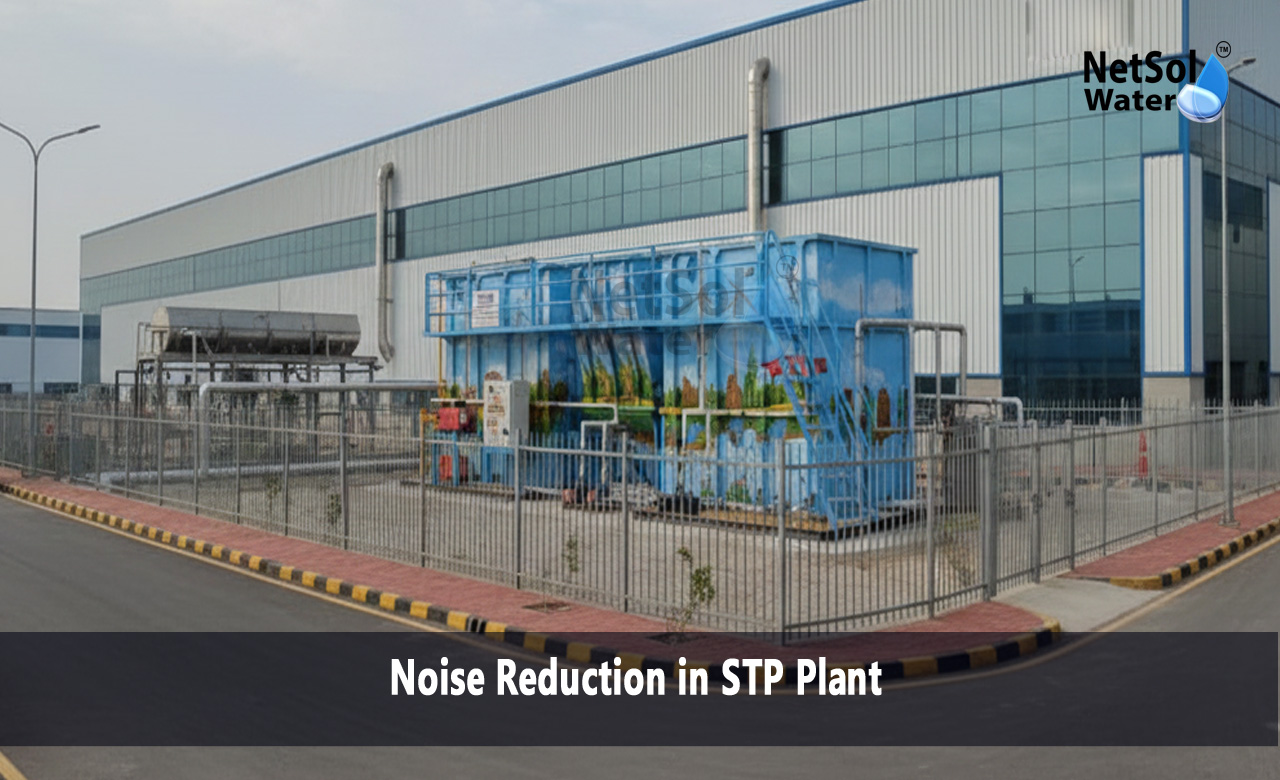
How to Reduce Noise in Sewage Treatment Plant?
Sewage treatment plants are necessary to treat wastewater in a safe manner, but they can produce undesired noise. Blowers, pumps, aerators, generators and mechanical equipment may produce unending sound that impacts employees and neighbors. Due to this fact, noise reduction in STPs has become a significant aspect of the present day plant design and operation. By managing noise, the health of the workers is not only safeguarded, but also plants do not create noise disturbances to the residential and commercial premises.
We will explains the key causes of the noise in treatment plants, hazards of high-levels of sound, and the effective method of mitigating the noise.
The importance of noise control
With increasing population in the cities, sewage treatment plants are being constructed close to houses, schools, and places of work. Machines within the plant are operational 24/7 with noisy and even annoying sounds. Although these sounds cannot be eliminated, they could be minimised significantly by design enhancement, selection of equipment, and maintenance. These reasons make noise control an important issueto several engineers and plant operators involved in environmental management.
Main Sources of Noise in STPs
Blowers, Aeration Systems
Noises in a treatment plant that have the loudest effects are produced by blowers that are used to supply air to biological tanks. Their motors, bearings and vibrations make them add to nonstop sounds.
Pumps and Motors
Pumping systems run day long to transfer wastewater to another stage. Mechanical noise is caused by high-speed rotation and vibration.
Grit Equipment and Mechanical Screens
The bar screens, grit chambers, and compactors also create intermittent sounds particularly during rush hours.
Generators and Compressors
The backup power systems and air compressors contribute to the level of noise, particularly when using them or when they are under self-test.
Sludge Handling Units
Sludge processing is accompanied by heavy noise produced by centrifuges, belt presses and mixers.
Being aware of the sources is useful in the planning of effective strategies in noise-control.
Also Read: Sewage Treatment Plant Manufacturer
Health and Environmental Effects of Excess Noise
· Worker Fatigue and Stress: The constant exposure of the staff workers to loud noises may lead to their fatigue, stress, headaches, and chronic hearing impairments.
· Community Disturbance: Plants situated close to residential places can be complained about by the neighbors with loudequipments, mostly at night.
· Reduced Productivity: Noise levels within the plant are very high, which makes it hard to communicate with each other, which slows down work and the possibility of errors.
· Impact on Wildlife: Noise will disrupt the nearby birds and other animals in particular in the plants situated close to the natural locations.
These effects underscore the importance of a systematic noise control measure.
Practical Techniques of Noise suppression in STPs
In this section, solutions to this are detailed with the primary attention being on noise reduction in STPs. These methods tell how the simplest of changes may considerably reduce the sound levels.
Acoustic Enclosures and Soundproofing
The most effective solution to noise reduction is to enclose the noisy equipment in acoustic chambers. Blowers, generators and pumps may be situated in insulated rooms or covered with sound absorbing panels. Such enclosures containthe noise and do not allow it to spread. Better results are usually achieved with the help of such materials as mineral wool, perforated sheets, and high-density insulation.
Vibration Isolation Systems
The vibration is what causes many machines to produce sound. The vibration transfer to the floors and walls can be minimized by putting up anti-vibration pads, rubber mounts, or spring isolators. This technique works well with blowers, pumps and rotating equipment. Isolating machine foundations and building buildings increases the reduction of noise transmission.
Proper Equipment Selection
In the market, there are quiet-operation blowers, low-noise pumps and energy-efficient motors. The selection of such equipment at the design of the plant significantly minimizes the requirement of any further changes. Variable Frequency Drives (VFDs) are also beneficial in reducing noise by regulating the speed of the motor in a smooth way.
Routine Maintenance and Lubrication
Equipment which is poorly maintained becomes very noisy. Mismatch, damaged bearings, loose bolts, and unbalanced rotors augment sound levels. The machines can be maintained on regular schedules and include routine lubrication routines and routine replacements to ensure that machines do not get louder with age. It is among the easiest and least expensive ways of noise-control.
Installing Noise Barriers
Noise can be blocked by using physical barriers which are made of concrete, metal panels, or acoustic material and do not reach the adjacent areas. These barriers are usually installed on the blowers, sludge units or the generator rooms. Even the tall trees and green help in the absorption of sound and in the creation of buffer zone between the community and the plant.
Application of Underground or Submerged Equipment
In a few contemporary STPs, machines such as blowers or pumps are installed in underground chambers. The soil itself serves as a sound absorbing material and noise does not escape. Equally, submerged pumps are quieted as the vibrations and the sound are absorbed by water.
· Operation and Scheduling Adjustments: Some of the noisy operations like the dewatering of a sludge or testing of generators can be planned during the day to minimize night disturbances. Intelligent operational planning assists in the preservation of peace withinthe residential areas.
· Plant Layout Optimization: It is possible to avoid noisy units by placing them at a distance of walls that are facing residential spaces. Finding blower rooms or mechanism spaces at the middle of the site is the way to sound to be absorbed before it reaches the boundary. A long-term solution to the noise reduction in STPs is good layout design.
· Monitoring Noise Levels: Plant management encompasses noise measurement. Operators can also determine areas of problems and take corrective measures in time using the sound level meters. Numerous regulatory authorities also demand regular noise audits in order to verify that they do not exceed the environmental thresholds.
Conclusion
Sustainable plant operation includes the noise control. It defends employees, community disturbance is reduced and equipment life is guaranteed in the long run perspective. The treatment plants can also greatly reduce the sound levels by being knowledgeable on what causes noise and implementing viable solutions that grantees efficient running of the treatment plant. Proper noise reduction in STPs facilitates healthier workplace and ensures the plants are better neighbors to the local people.
Do you need an advice or assistance on selecting the best water and waste water treatment unit? We have solutions for all your problems!
Let us know your problem, our experts will make sure that it goes away.
For an assistance or related query,
Call on +91-9650608473 Or write us at enquiry@netsolwater.com