

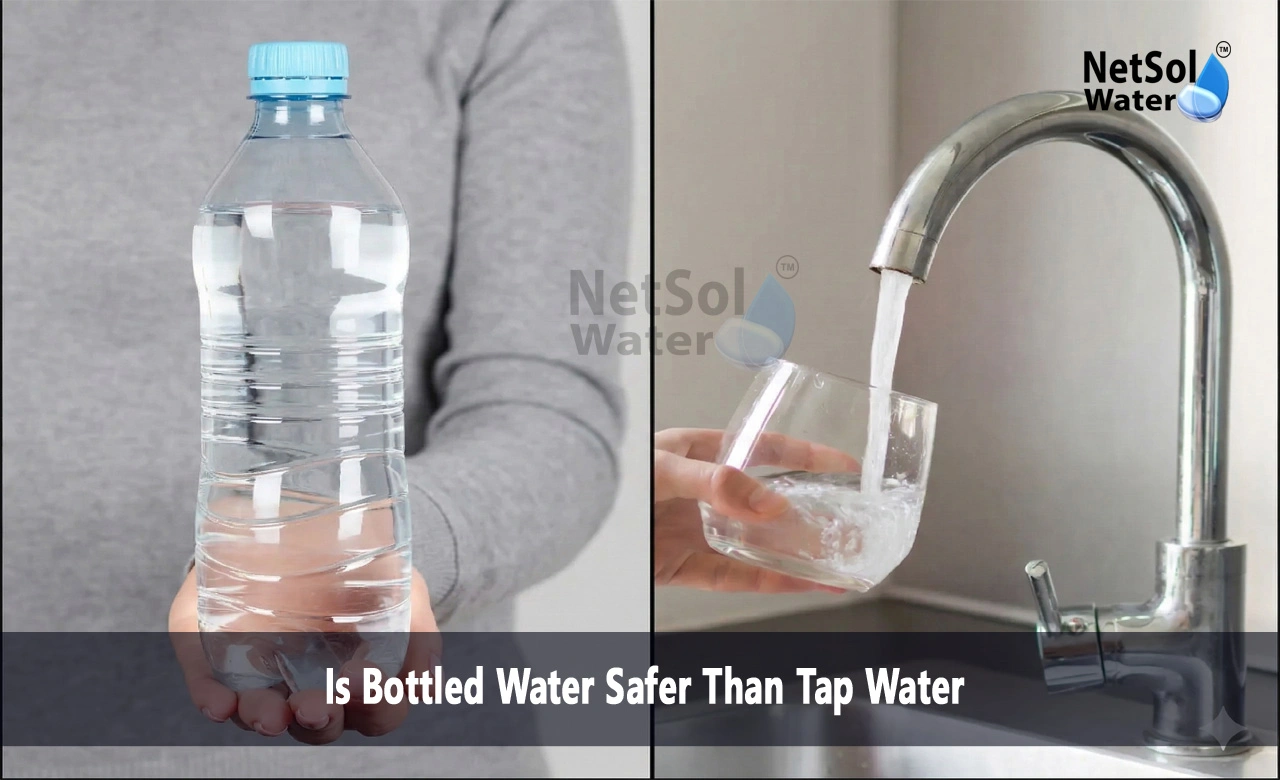
Is Bottled Water Safer Than Tap Water?
Water shapes health and daily life. Many people ask if bottled water gives better safety than tap water. This question affects how families choose what to drink and how businesses serve guests. Understanding the facts helps readers pick the best option for home and travel.
Sources and Treatment
Water source and how providers treat water shape safety. Let us have a look on some details that explain differences.
Where tap water comes from?
Public water systems draw water from rivers, lakes or underground wells. Local plants treat this water to remove particles and to kill germs. Operators test water at many steps and they publish reports for the public to read. Systems may add chemicals to keep the water safe while it moves in pipes.
Where bottled water comes from?
Bottled brands use springs, wells or treated municipal water. The bottle maker may add extra steps such as filtration or mineral adjustment. The final product moves from the plant into sealed containers. Brands label the source and the steps they use.
How treatment affects safety?
Treatment controls germs and common pollutants. Proper treatment removes most disease agents. Yet treatment can not stop every chemical or every contamination event. Local events like floods or a broken pipe can change tap water quality for a time. Bottled water may avoid some local risks but it can still have issues if plants do not follow good practice.
Regulations and Standards
Rules and checks set safety levels for water. Let us have a look on some parts of the system that affect trust.
1: Public system rules
Government agencies set limits for microbes, metals and chemicals in tap water. They require regular testing and public reports. These rules apply across many utilities and they include actions when results fail to meet standards.
2: Bottled water rules
Bottled water faces rules that use food safety and beverage standards. Companies must meet limits for pollutants and must follow packaging rules. Regulators inspect plants but the inspection pattern differs from that of public utilities.
How rules compare?
Both systems aim to protect people but they follow different models of oversight. The public model uses fixed testing plans and public alerts. The bottled model uses plant inspections and labelling. Strength in practice depends on funding and on how well agencies enforce the rules.
Contaminants and Health Risks
Contaminants shape real risk to drinkers. Let us have a look on some common contaminants and their effects.
1: Microbial risks
Bacteria, viruses and parasites cause most water related illness. Proper disinfection removes these threats. Tap systems that lose disinfection control can allow germs to spread. Bottled water rarely carries infectious outbreaks but poor handling or poor plant hygiene can cause illness.
2: Chemical risks
Chemicals from old pipes, natural minerals and industrial run off can enter water. Lead is one key threat in old plumbing. Other chemicals come from agriculture and industry. Both tap water and bottled water can show traces of chemicals. Long term exposure raises concern for some substances.
3: Plastic and packaging issues
Bottles use plastic that can release small amounts of materials into water when heat or storage time affect the container. This potential adds a different type of concern. Tap water in glass or ceramic storage avoids this route.
Cost and Environmental Impact
Cost and environmental effects shape what people choose to drink. Let us have a look on some aspects that often guide choices.
1: Price and household budget
Bottled water costs far more per litre than tap water. For families and workplaces, the cost adds up. People with tight budgets face trade offs when they buy bottled water long term.
2: Waste and pollution
Plastic bottles make waste that reaches land and sea. Recycling helps but it does not stop all plastic from entering the environment. Tap water served in reusable containers cuts waste and reduces plastic demand.
3: Energy and resource use
Making bottles uses energy and fresh water. Transport adds more energy use. Local tap systems use less packaging energy per litre when the system runs well. This energy gap shows a clear environmental difference.
Taste and Public Perception
Taste and trust steer consumer choice even when safety looks equal. Let us have a look on some reasons people pick one option over the other.
1: Flavour and minerals
Minerals give bottled brands a distinct taste. People who prefer that taste pick those brands. Tap water varies in taste with source and treatment. Filtering tap water at home can change taste to suit a household.
2: Marketing and belief
Brands spend large sums on ads that boost the idea that bottled water feels cleaner. This belief can shape choices more than the scientific record. Clear local testing and simple labels help people make choices based on facts.
3: Convenience and habit
Bottles offer fast convenience for travel and work outside the home. Many people keep a bottle for short trips. At home people often use tap water for coffee, cooking and drinking when the system meets standards.
Also Read: Commercial RO Plant Manufacturer
Conclusion
Both bottled water and tap water can meet safety needs if providers and plants follow good practice. People should check local test reports and read labels before they choose. Cost and the impact on the planet also matter. If you want help to check your local water report or to plan safe drinking options for home or business please get in touch for more information or request a consultation. This step will help you make a choice that fits your health budget and the environment.
Contact Netsol Water at:
Phone: +91-9650608473, Email: enquiry@netsolwater.com