

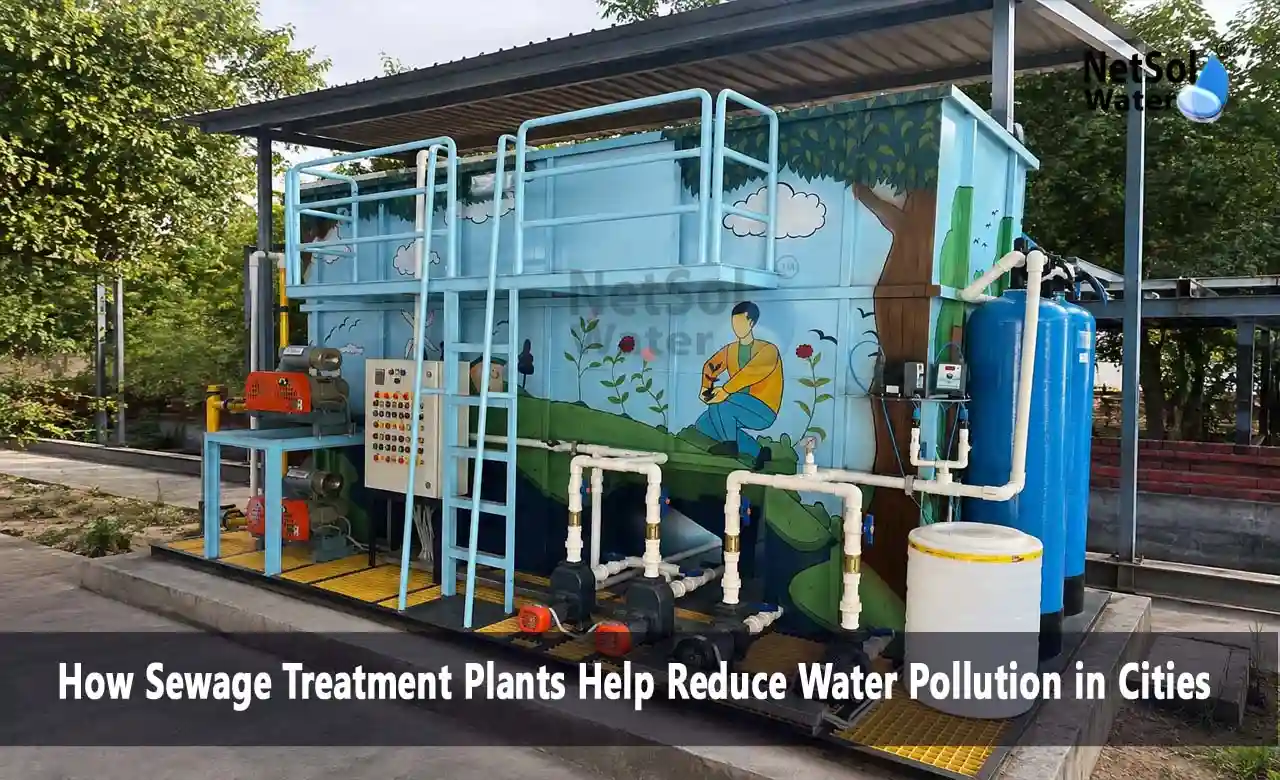
How Sewage Treatment Plants Help Reduce Water Pollution in Cities?
Huge amount of wastewater is generated in the cities on a daily basis. Sewage is generated from households in bathrooms and kitchens. Add to the wastewater load are offices and commercial buildings. Pollutants can be different in the wastewater generated by industrial areas. If the cities don't treat this water, it can reach rivers and lakes, it can also impact soil and groundwater. This poses a significant challenge to humans and the nature.
Delhi is renowned for its historical landmarks and its rich heritage, including the Red Fort and the India Gate. It's also a significant urban population whose consumption of water is high, and wastewater load is high. Cities such as Delhi should have robust systems that can control sewage from causing damage to water bodies. Sewage treatment plants can help alleviate this issue through treatment before discharge or reuse. They filter out harmful materials and help to purify the water. This process contributes to cleaner environment and public health. It also has a significant contribution in current urban sanitation. Netsol Water is the market leader in the field of water and wastewater treatment. It is used to manage wastewater in a safe manner for cities and industries.
Significance of Wastewater Treatment for the Control of Urban Pollution
To prevent polluted water from reaching natural water sources, the proper wastewater treatment is necessary. Untreated sewage may contain pollutants such as solids and organic material. It may also include germs and other elements that reduce water quality. An effective treatment system controls these pollutants prior to their discharge to the environment.
Let's take a look at some of the most vital steps that implement measures for pollution control in urban areas.
Treatment of Harmful Pollutants from Sewage
There are many unwanted materials in the waters carried by the wastewater from homes and commercial properties. Kitchen waste can get into kitchen drains. Cleaning and soap products can also get into the sewer lines. Human excrement increases organic content and pathogens in the water. If untreated, this wastewater can adversely affect aquatic life and pose health hazards when discharged into the river.
The first stage of treatment in a treatment plant is to separate out larger solid particles from the sewage. It then applies biological treatment for the degradation of organic matter. Fine particles can be filtered out and water quality can be enhanced at other treatment phases. It can also be used to control the growth of harmful microorganisms prior to the distribution of treated waters from the system.
This process helps to prevent an excessive amount of pollution getting into public water supplies. It also simplifies the management of wastewater. The treatment system provides a controlled path for sewage to flow instead of open channels or local drains. That's good for the effectiveness and reliability of controlling wastewater pollution.
Safeguarding Rivers and Local Water Bodies
Water bodies in the urban environment may be subject to development pressure. Untreated sewage dumped daily into a river or lake can pollute it. If there is a high concentration of organic wastes, this can impact the water balance. Sewage can also generate bad odour if not treated for an extended period of time.
This pressure can be lessened by the use of treatment systems which clean out the waste water before it is discharged. This is to prevent untreated sewage from flowing through to water bodies continuously. It also helps to provide cleaner living environments for residents who live in the vicinity of rivers and lakes.
The cleaner the water in the water bodies, the better the appearance of the cities. They may also provide habitat for native plants and aquatic organisms. Improper treatment of wastewater can be hazardous for natural water resources and the quality of the urban environment, which can be prevented by treating wastewater properly. This demonstrates the importance of sewage treatment in long term planning of cities.
Role of Sewage Treatment Plants in Urban Sanitation
Making toilets and drainage systems available is not enough to achieve good sanitation. There should also be a dependable way to control the wastewater generated by such systems. Sewage is managed with proper treatment to minimise the possibility of it causing pollution in public areas.
1. Role in Improving the Hygienic Conditions in Urban Communities
In large societies, it is possible to generate a substantial amount of sewage on a daily basis. The waste can cause odours and infest insects if the waste is not treated correctly. It may also pollute surrounding soil and water. These conditions can impact the comfort of homeowners and can raise health issues.
A well-designed treatment plant will provide a safer means for the community to handle sewage. The wastewater is processed in a controlled system. Separation of solid waste and liquid waste. The pollutants in the water are broken down by biological treatment.
Once treatment reaches the required level the water can move towards an approved reuse or discharge point. This prevents raw sewage from reaching areas where it could be spread into the environment. It also helps to ensure cleaner surroundings inside and around residential communities.
2. Supporting Public Health
Wastewater management can create conditions where there is more opportunity for the spread of harmful microorganisms. Anyone who comes into contact with contaminated water can be affected. It can also cause issues when contaminated water infiltrates resources that are utilized by nearby communities.
These risks can be reduced by proper treatment. It filters out a lot of contaminants from the sewage prior to disposal. This helps to promote a safer water management and improved hygiene throughout the city.
With a well-functioning wastewater system, urban sanitation is better. Cleaning systems should be able to transport and convey wastewater safely. It must be efficiently treated in the treatment systems. The disposal or reuse must also be done according to appropriate standards. These measures collectively contribute to the improvement of the city's environmental quality.
Water Reuse and Pollution Reduction
Treating wastewater does not only help control pollution. It also creates an opportunity to reuse water for suitable purposes. This approach can lower the amount of freshwater used for daily activities. It can also reduce the amount of treated wastewater that cities need to discharge.
Let us have a look at how reuse can strengthen city water management.
1. Reusing Treated Water
Many activities do not need drinking water quality. Gardening and toilet flushing are common examples. Construction can also use treated wastewater when the water meets the required quality. Industrial facilities may also reuse treated water for selected processes. When facilities use treated wastewater for these activities they can save fresh water. This reduces pressure on local water resources. It also gives wastewater a second use after treatment.
Water reuse can support wastewater pollution control because it reduces the amount of wastewater moving towards natural water bodies. A well-managed reuse system can create a useful cycle. Wastewater goes through treatment and then returns to a suitable activity instead of becoming waste after one use.
2. Reducing the Pressure on Fresh Water
Cities often face pressure when freshwater demand increases. Population growth can raise household consumption. Businesses and institutions also need water for daily operations. Using fresh water for every activity can place more pressure on local supplies. Reusing treated water can help balance this demand. Facilities can use fresh water for activities that truly need it. They can then use treated wastewater for suitable non-drinking purposes.
This approach supports better resource use. It also makes wastewater treatment part of the wider water management system. As cities search for practical ways to save water the demand for reuse systems can continue to grow.
The Growing Need for Modern Sewage Treatment Systems
Urban growth creates a need for treatment systems that can handle changing wastewater volumes. Cities need systems that match the size of the community and the quality of incoming sewage. A treatment plant must also support safe discharge or reuse after treatment. Let us have a look at some factors that make modern treatment systems important for cities.
1. Handling Growing Wastewater Volumes
A small community and a large city do not produce the same amount of sewage. Large housing projects and commercial centres can create a heavy wastewater load. Treatment systems must handle this flow without causing disruption.
Proper planning helps match plant capacity with actual wastewater generation. It also allows facilities to plan for future growth. This makes wastewater management more stable as the city expands.
Efficient treatment also helps reduce untreated discharge during daily operations. A system that works well can improve sanitation and support cleaner surroundings over the long term.
2. Creating a Sustainable Urban Water Cycle
Cities need to think about water as a resource that can move through several stages of use. Fresh water enters homes and businesses. After use it becomes wastewater. Treatment can then prepare part of this water for approved reuse.
This model supports a more sustainable urban water cycle. It reduces the need to use fresh water for every task. It also lowers the amount of untreated wastewater entering the environment.
Sewage treatment plants therefore have a wider role than simple sewage disposal. They help cities control pollution and manage water resources at the same time. With the right planning they can support cleaner communities and better long-term water use.
Conclusion
Cleaner cities need proper wastewater management at every stage. Treatment systems help control harmful pollutants before sewage reaches rivers and local water bodies. They also support better hygiene and public health. Treated water can serve suitable non-drinking uses after proper processing. This creates another benefit by helping cities manage freshwater demand.
For any city or organisation planning better wastewater management the right sewage treatment plants can make a clear difference. Netsol Water is the leading Sewage Treatment Plant Manufacturer for different requirements. Get in touch with Netsol Water to learn more about suitable treatment options or request a consultation for your project.
Contact Netsol Water at:
Phone: +91-9650608473, Email: enquiry@netsolwater.com