

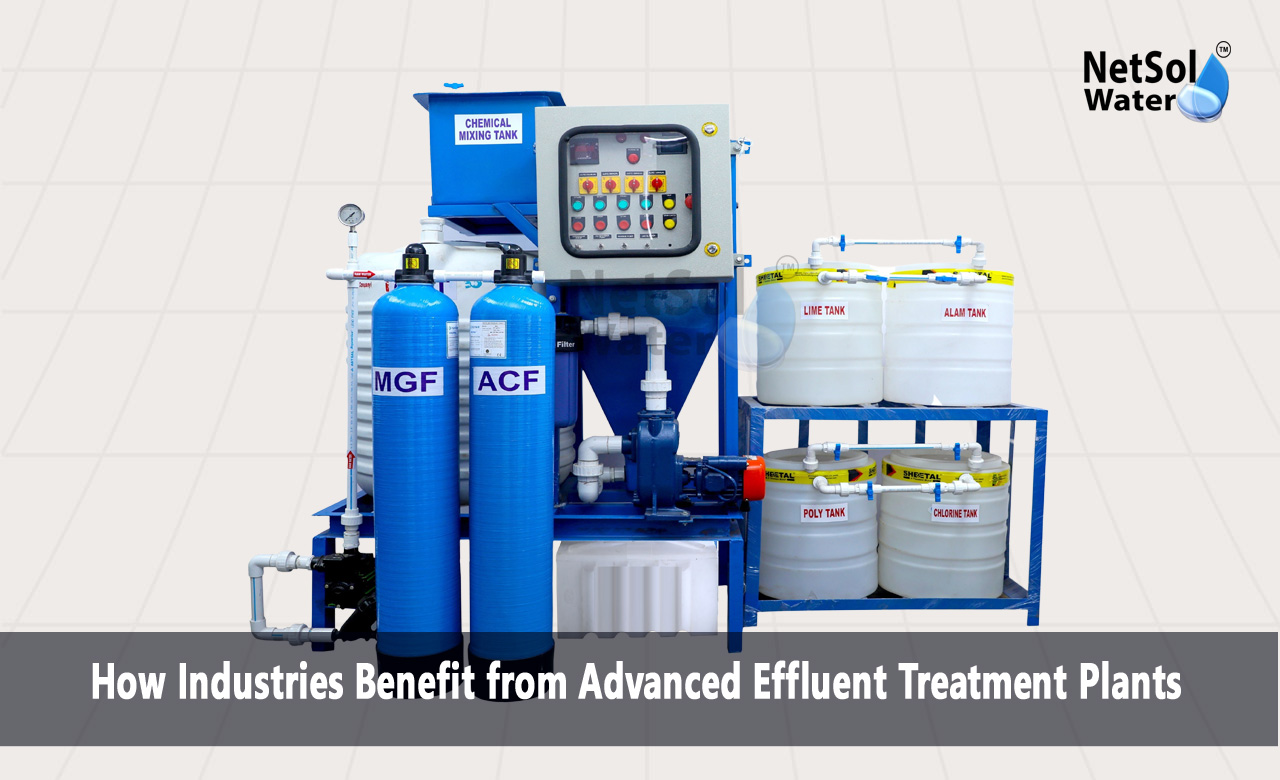
How Industries Benefit from Advanced ETP Plants?
Industries produce large amounts of wastewater that needs proper treatment. Advanced effluent treatment plants help industries meet environmental standards while saving money. These systems do more than clean water - they protect the environment create business opportunities and support sustainable manufacturing.
Industrial effluent contains various pollutants from manufacturing processes. Without proper treatment these pollutants harm water bodies damage ecosystems and affect public health. Advanced treatment plants remove these harmful substances effectively. They also help industries reuse water and recover valuable materials from waste streams.
Modern effluent treatment brings multiple advantages to industries. It helps companies follow environmental rules avoid penalties and maintain good community relations. Treatment systems also reduce water consumption through recycling. This saves money and helps industries operate in water-scarce areas.
The benefits go beyond environmental protection. Advanced treatment creates opportunities to extract useful materials from waste. It supports water reuse in manufacturing processes. These advantages make effluent treatment an investment that pays off through lower costs and new revenue streams.
Environmental Protection and Regulatory Compliance
Environmental regulations grow stricter each year. Industries must clean their wastewater to meet these standards. Advanced effluent treatment plants help companies stay ahead of environmental rules. They protect water resources while keeping industries running smoothly.Let us examine how these plants support environmental protection:
Pollutant Removal Capabilities
Modern treatment systems remove multiple types of pollutants. Physical processes catch solid particles. Chemical treatments neutralize harmful substances. Biological systems break down organic waste.
The treatment starts with screening out large objects. Next settling tanks remove smaller particles. Advanced processes then target specific pollutants. The final water meets or exceeds quality standards.
Zero Liquid Discharge
Some industries adopt zero liquid discharge systems. These advanced plants clean and recycle all wastewater. They eliminate the need to release treated water into the environment.
The process involves multiple treatment stages. Each stage removes different contaminants. The clean water returns to production processes. Any remaining waste becomes solid material for proper disposal.
Sludge Management
Treatment plants also handle the solid waste they remove. Modern systems turn this sludge into useful products. They extract water from sludge to reduce disposal costs.
The dried sludge finds uses in various applications. Some becomes fertilizer for agriculture. Other types provide fuel for energy production. This turns waste management into a value-adding process.
Economic Benefits and Resource Recovery
Advanced effluent treatment creates economic opportunities. It helps industries save money and find new revenue sources. The initial cost of treatment plants pays back through various benefits.Let us explore the economic advantages:
Water Reuse and Cost Savings
Treatment plants enable water recycling in industrial processes. This reduces the need for fresh water. Industries save money on water bills and disposal costs.The recycled water serves many purposes. It can cool equipment clean facilities or support manufacturing. Some industries reuse up to 90% of their water through treatment.
Resource Recovery
Modern treatment systems extract valuable materials from waste. These materials can generate additional income. They also reduce raw material costs for industries.Treatment processes recover various substances. Some plants extract metals for recycling. Others produce biogas for energy. These recoveries turn waste streams into profit centres.
Operating Cost Reduction
Efficient treatment systems lower operating expenses. They use less energy than older methods. Automated controls reduce labour needs and improve consistency.Modern plants include energy-saving features. They recover heat from waste streams. Some generate their own power from biogas. These features cut utility bills significantly.
Process Optimization and Quality Enhancement
Advanced treatment improves industrial processes. It supports better product quality and process stability. Clean water helps equipment run better and last longer.Let us look at these operational benefits:
Process Water Quality
Clean process water improves manufacturing quality. It prevents contamination and product defects. Better water quality leads to more consistent production.Treatment systems provide water that meets exact specifications. This helps sensitive processes run smoothly. It reduces product waste and quality problems.
Equipment Protection
Treated water extends equipment life. It prevents scale buildup and corrosion. This reduces maintenance costs and equipment downtime.
Clean water keeps pipes and machinery working well. It prevents clogging and wear. Equipment runs more efficiently with properly treated water.
Process Stability
Stable water quality supports consistent production. Advanced treatment removes variables from manufacturing processes. This leads to better product quality.Treatment plants monitor water quality continuously. They adjust treatment as needed. This ensures manufacturing processes get the right water quality.
Conclusion:
Advanced effluent treatment plants offer clear benefits for industries. They protect the environment save money and improve operations. Contact effluent treatment specialists to explore solutions for your facility. Expert advice will help you choose the right treatment system for your needs.
To explore customised commercial RO plants, Industrial RO plants, ETP or STP solutions for your needs in your areas and nearby regions, Contact Netsol Water at:
Phone: +91-965-060-8473, Email: enquiry@netsolwater.com