

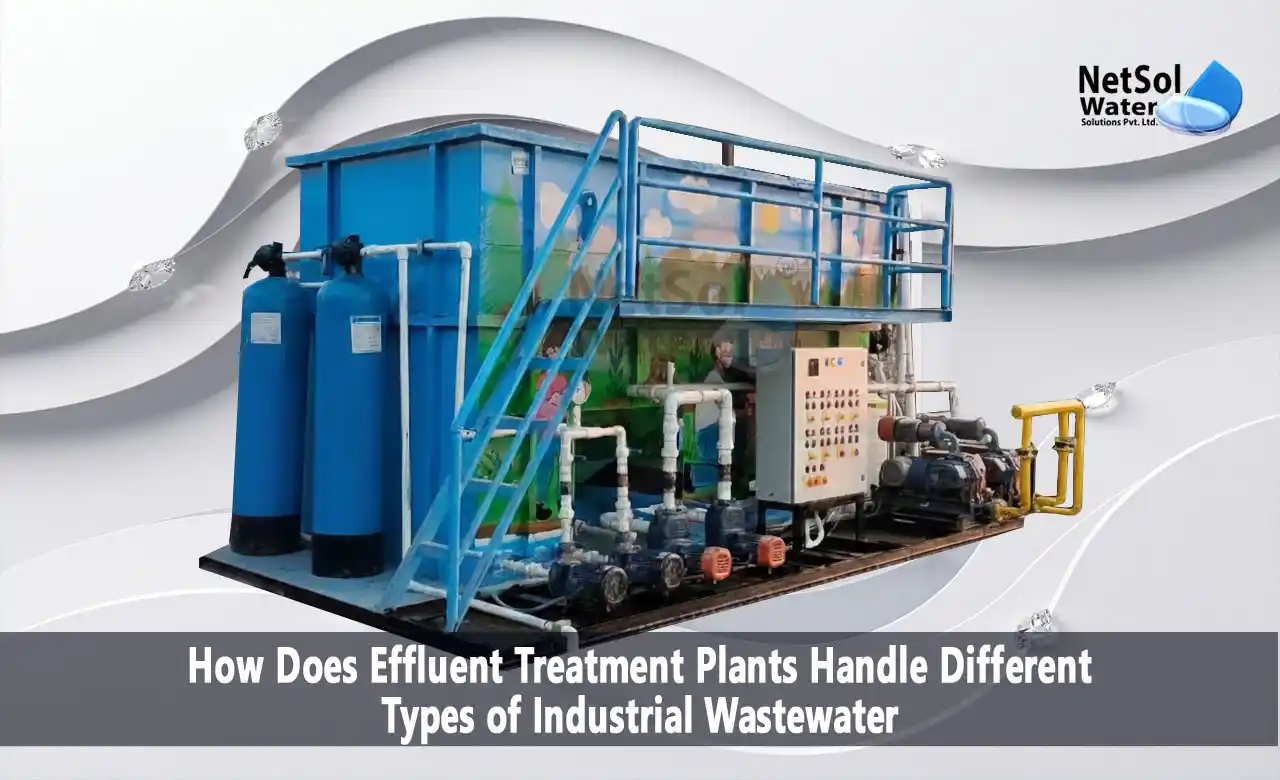
How Does ETP Plant Handle Different Types of Industrial Wastewater?
Industrial wastewater does not have the same quality in every industry. A textile unit may release water with dyes and chemicals. A food processing plant may discharge water with high organic content. A pharmaceutical unit may produce wastewater that contains complex chemical compounds. Each type of wastewater needs the right treatment process before safe discharge or reuse. This is where effluent treatment plants play an important role.
Industries need proper treatment systems to manage wastewater and protect nearby water sources. They also need to follow discharge standards and use water in a more responsible way. Modern treatment systems can handle different wastewater conditions when they use the right process design. Netsol Water is a leading name in wastewater treatment solutions and provides systems for different industrial needs. Let us understand how treatment plants manage different types of industrial wastewater and how the right ETP technology can support safer and more efficient operations.
Understanding Different Types of Industrial Wastewater
Industrial wastewater changes from one industry to another. Its quality depends on the raw materials used. The production process also affects the type and amount of waste in the water. Understanding these differences helps industries choose suitable industrial wastewater solutions. A treatment system that works well for one factory may not work in the same way for another factory. Let us have a look at some common types of industrial wastewater and their treatment needs.
. Wastewater with High Organic Content
Food processing and dairy industries often release wastewater with high levels of organic matter. This wastewater may contain oils. It may also have food particles and other biodegradable materials. Such waste can lower the oxygen level in natural water bodies if industries release it without proper treatment.
Biological treatment often plays an important role in this case. Microorganisms break down the organic matter and convert it into simpler substances. Primary treatment usually removes larger solids before the biological stage begins. The plant can then use processes such as aeration to support biological activity. Proper process control helps maintain stable treatment performance.
. Wastewater with Chemicals and Heavy Pollutants
Chemical and metal processing industries can produce wastewater with acids. It may also contain alkalis and heavy metals. Some industrial streams may carry toxic compounds that require careful handling. These pollutants can harm the environment and may also create problems during water reuse.
In such cases the treatment system may use chemical treatment. The process can adjust pH and help separate dissolved pollutants from water. Coagulation and precipitation can support the removal of metals and suspended materials. Some plants may also use advanced treatment methods when the wastewater contains difficult compounds. The treatment design must match the actual wastewater characteristics.
How ETP Technology Changes with Wastewater Quality?
No single treatment process can handle every industrial wastewater stream in the same way. Industries need treatment stages that match the pollutants present in their water. This makes process selection an important part of ETP technology. The right process can improve treatment performance and help control operating costs. Let us have a look at some treatment stages that help manage different wastewater conditions.
. Physical and Primary Treatment
The first treatment stage often focuses on removing large and visible pollutants. Screens can remove plastic pieces. Fibres and other large solids can also get trapped during this stage. Grit removal can separate heavier particles from the wastewater.
After screening the wastewater may enter an equalization tank. This tank helps balance changes in flow and pollutant levels. It gives the next treatment stage a more stable feed. Primary clarification can then separate suspended solids from the water. This early stage makes the later biological and chemical processes easier to manage.
. Biological and Chemical Treatment
The next stage depends on the type of pollutants that remain in the wastewater. Biological systems work well when the wastewater contains biodegradable organic matter. Aerobic treatment gives microorganisms the oxygen they need to break down these pollutants. Industries can use different biological reactor designs based on their flow and treatment goals.
Chemical treatment becomes useful when wastewater contains pollutants that biological systems cannot remove effectively. Chemical dosing can support pH correction and pollutant separation. Industries may combine chemical treatment with biological systems to improve overall results. This combined approach can make effluent treatment plants more suitable for complex wastewater streams.
. Advanced Treatment and Water Reuse
Some industries need a higher level of treatment because they want to reuse treated water. In such cases advanced processes may follow conventional treatment. Membrane systems can remove very fine particles and dissolved substances. Filtration systems can improve water quality further.
Water reuse can reduce fresh water demand within industrial facilities. Treated water may support processes such as cooling or washing when the quality meets the required standard. The reuse plan must always match the quality of the treated water with the needs of the process.
Selecting the Right Treatment System for an Industry
Choosing a treatment system requires more than looking at the industry name. Each facility has its own wastewater flow and pollutant load. Production methods can also change the wastewater quality over time. A well-designed treatment system should respond to these conditions and maintain consistent performance. Let us have a look at some factors that influence treatment selection.
. Testing Wastewater Before System Design
Wastewater testing gives a clear picture of what the treatment plant needs to remove. Parameters such as pH and chemical oxygen demand can show the nature of the wastewater. Biological oxygen demand and suspended solids also help in process selection.
Testing also helps identify harmful compounds that need special treatment. Engineers can use this information to select suitable process stages. This approach avoids the use of unsuitable treatment methods and helps create more practical industrial wastewater solutions.
. Matching Treatment with Reuse and Discharge Goals
The final treatment level depends on what the industry plans to do with the treated water. Discharge requirements may need one level of treatment. Water reuse may require a higher level of treatment. Industries must also consider changes in wastewater flow and production volume.
A suitable treatment plant should provide stable results under normal operating conditions. It should also allow operators to manage changes in the wastewater stream. Good design and regular monitoring help effluent treatment plants perform better over time. Netsol Water can support industries in selecting suitable treatment approaches based on their wastewater needs and operating goals.
Conclusion
Industrial wastewater needs a planned treatment approach because every wastewater stream carries different pollutants. The right combination of physical treatment, biological treatment, and chemical treatment can create a dependable wastewater management system. Advanced treatment can also support water reuse when industries need better water quality. A suitable design helps industries manage discharge requirements and use water more efficiently.
Choosing effluent treatment plants should start with proper wastewater testing and a clear understanding of production needs. Netsol Water offers treatment solutions for different industrial applications and can help you identify a suitable approach for your facility. Get in touch with Netsol Water to discuss your wastewater requirements and request a consultation for a practical treatment solution.
Contact Netsol Water at:
Phone: +91-9650608473, Email: enquiry@netsolwater.com