

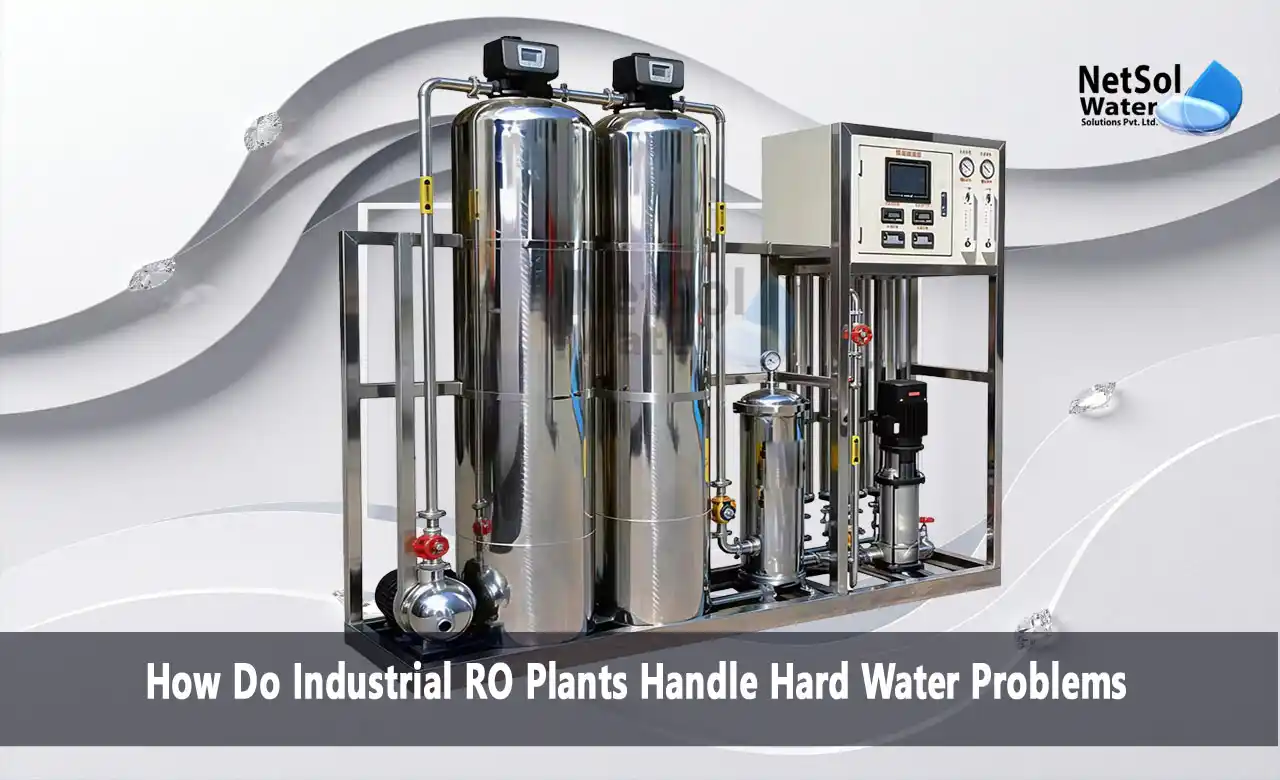
How Do Industrial RO Plants Handle Hard Water Problems?
Hard water creates a common challenge for many industries. It contains high levels of calcium and magnesium salts. These minerals can build up on pipes and equipment over time. They can also affect heating systems and production processes. Industries need a dependable way to control these problems because poor water quality can increase maintenance needs and affect daily operations. This is where industrial RO plants can support better water management.
Many factories use RO systems to improve water quality for process use and utility operations. RO can remove a wide range of dissolved substances from water. It can also help industries produce water that meets the needs of sensitive processes. Proper pre-treatment plays an important role in this setup. Netsol Water is the leading water treatment company that provides solutions for industrial water needs. Its treatment systems can help industries manage hard water and maintain a steady supply of treated water. Let us understand how RO systems address hard water problems and why proper treatment planning matters.
Understanding Hard Water and Its Effect on Industries
Hard water can create problems long before it reaches the main production process. Calcium and magnesium can form deposits when water passes through pipes and equipment. These deposits can lower heat transfer efficiency and block narrow passages. Hard water can also create scale inside boilers and other systems that use water for heating or cooling. For this reason industries need to understand the nature of hard water before choosing a treatment system.
Let us have a look at some common hard water problems and the way they affect industrial operations.
. How Does Hard Water Form Scale?
Hardness mainly comes from dissolved calcium and magnesium compounds. When water gets heated or its chemistry changes, these compounds can form scale formation on surfaces. The scale can become harder with time. It may collect inside pipes and tanks. It can also build up on membrane surfaces when the water does not receive proper pre-treatment.
This problem can affect water flow and system performance. A layer of scale can also make equipment work harder. Heating systems may need more energy to transfer the same amount of heat. Regular cleaning can help remove deposits, but frequent cleaning takes time and may increase maintenance costs. Proper hard water treatment can help control these issues before they become serious.
. Why Industries Need Better Water Quality?
Many industrial processes require water with controlled mineral content. Manufacturing systems may experience problems when untreated hard water enters the process. High mineral content can also affect product quality in some industries.
Water quality becomes even more important when industries use RO membranes. Membranes need suitable feed conditions to perform well. Hardness can increase the risk of scaling on the membrane surface. This can reduce water production and increase cleaning needs. A suitable treatment plan helps prepare the feed water before it reaches the RO stage. This step creates better conditions for reliable RO water purification.
How RO Systems Treat Hard Water?
RO technology works by using pressure to move water through a semi-permeable membrane. The membrane allows water molecules to pass while holding back many dissolved salts and other unwanted substances. This process can reduce the overall dissolved mineral content of water. However, hard water needs proper planning because the rejected salts can create scaling conditions near the membrane.
Let us have a look at the main treatment stages that help industrial RO plants handle hard water more effectively.
. Pre-Treatment Before the RO Membrane
Pre-treatment is one of the most important parts of an RO system that handles hard water. Industries often use processes that reduce hardness before water reaches the membrane. A water softener can exchange calcium and magnesium ions with sodium ions. This lowers the scaling potential of the feed water.
Another approach uses antiscalant dosing. Antiscalants help control the formation of scale on the membrane surface. The choice depends on the water quality and the system design. In some cases industries may use more than one pre-treatment method.
Proper filtration can also remove suspended solids before the water enters the RO system. This helps protect the membrane from fouling. When pre-treatment matches the feed water condition, the RO system can work more smoothly and maintain better performance.
. Membrane Treatment and Salt Removal
After pre-treatment, the water enters the RO stage under pressure. The membrane separates a large part of the dissolved salts from the water. This includes many of the minerals that contribute to hardness. The treated water then moves toward the intended process or storage system.
RO does not simply act as a basic filter. It performs separation at the dissolved level. This makes RO water purification useful for industries that need low mineral content. The system design must still match the raw water quality. Proper pressure and flow must reach the membrane to support stable operation.
Hardness control also remains important during this stage. When the system pushes concentrated water through the membrane, the rejected salts become more concentrated. Good pre-treatment helps reduce the risk of scale and allows the membrane to operate under better conditions.
Maintaining RO Performance When Treating Hard Water
Treating hard water does not end after the RO plant starts working. Regular monitoring helps operators keep the system in good condition. Feed water quality can change over time. Seasonal changes can also affect hardness and other water parameters. A treatment system must respond to these changes to maintain stable output.
Let us have a look at some practices that help keep an RO system efficient when it handles hard water.
. Regular Monitoring and Membrane Cleaning
Operators should monitor key water quality parameters and system performance. Changes in pressure can show that fouling or scaling may be developing. A drop in permeate flow can also signal a problem. Tracking these changes allows operators to act before the issue becomes severe.
Membrane cleaning can remove deposits that collect on the membrane surface. The cleaning method should match the type of scale or fouling present. A suitable cleaning schedule can help protect the membrane and support consistent output.
Monitoring also helps operators understand whether the pre-treatment system is working correctly. A change in feed hardness may require adjustments to chemical dosing or softener operation. This makes regular checks an important part of hard water treatment.
. Choosing the Right System Design
Every industrial site has different water needs. The right system depends on feed water quality and flow demand. It also depends on the desired treated water quality. A small system may suit one application while a larger process may need multiple treatment stages.
Good system design considers the complete water treatment process. This includes pre-treatment and membrane selection. It also includes pressure control and treated water storage. Proper design helps prevent unnecessary strain on the RO system.
Experienced water treatment providers can study the raw water and recommend a suitable process. Netsol Water can help industries assess their water requirements and develop treatment solutions that support long term operation. With the right setup, industrial RO plants can handle hard water more effectively while maintaining a stable supply of treated water.
Conclusion
Hard water can create scale and maintenance problems across industrial systems. A planned treatment process can control these issues and improve the quality of water used in production. Proper pre-treatment can protect the RO membrane and support better system performance. RO technology can then remove a high level of dissolved minerals from the treated water.
The right treatment approach should match the water quality and operating needs of each facility. Netsol Water provides industrial water treatment solutions that can help businesses manage hard water in a practical way. Get in touch with Netsol Water to discuss your water quality needs and request a consultation for a suitable treatment solution.
Contact Netsol Water at:
Phone: +91-9650608473, Email: enquiry@netsolwater.com