

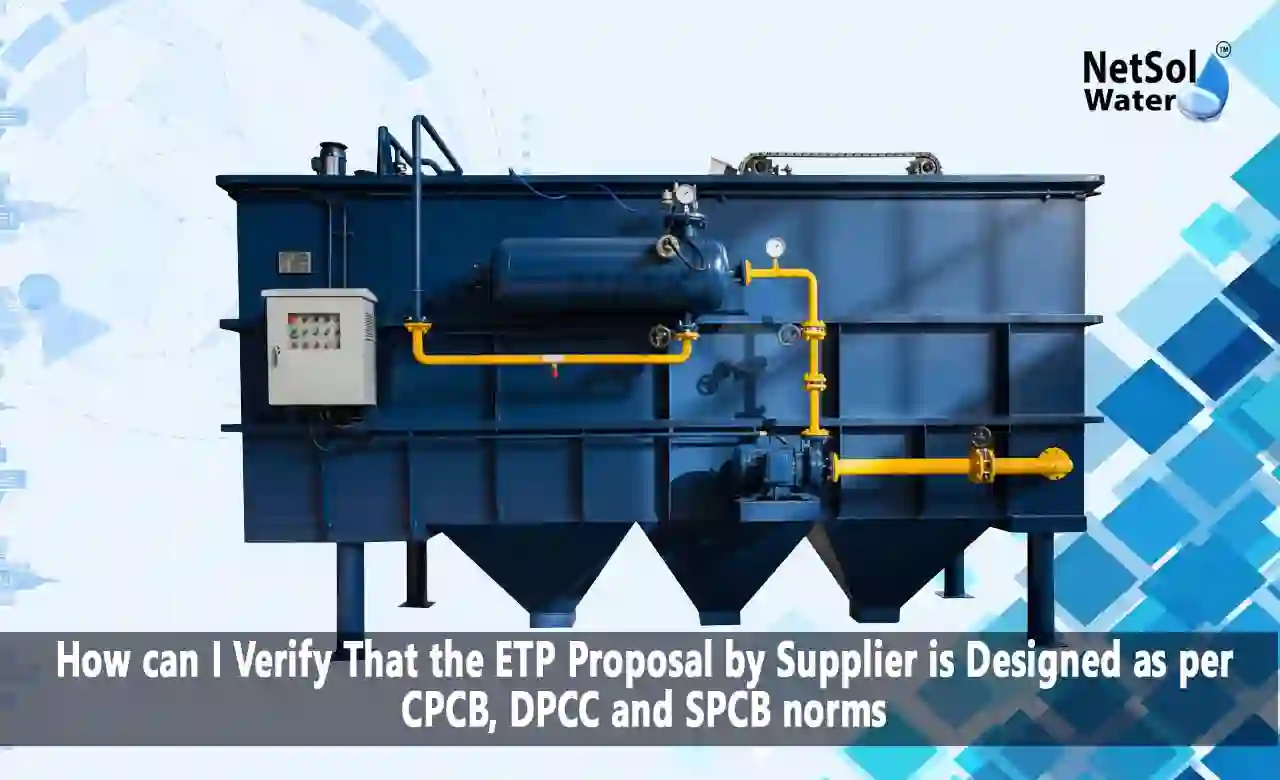
How to Verify an ETP Proposal as per CPCB, DPCC & SPCB Norms?
Every industry that generates wastewater must treat it before discharge. An Effluent Treatment Plant plays an important role in removing harmful pollutants and improving water quality. A well-designed treatment system helps industries follow environmental rules and maintain smooth operations. Many businesses receive proposals from different suppliers before installing an ETP. However, every proposal may not meet the required standards. This is why proper verification becomes an important step before making a final decision.
India has different pollution control authorities that set guidelines for wastewater treatment. The Central Pollution Control Board (CPCB) prepares national standards while the Delhi Pollution Control Committee (DPCC) manages pollution control in Delhi. Every state also has its own State Pollution Control Board (SPCB) to monitor industries and enforce local environmental rules. A supplier must prepare an ETP proposal according to these requirements so that the plant performs properly and supports legal compliance. Netsol Water is the leading manufacturer of effluent treatment plants that designs systems according to applicable pollution control norms.
Check Whether the Design Meets CPCB, DPCC and SPCB Standards
A proper ETP proposal should clearly show that the design follows the standards issued by pollution control authorities. This gives confidence that the treatment system can achieve the required discharge quality. A proposal without clear technical details may create future compliance issues. Let us have a look on some important points that help verify this requirement.
1. Verify the Design Basis
The first step is to examine the design basis mentioned in the proposal. The supplier should mention wastewater flow quantity, pollutant concentration and treatment objectives. These values should match the actual wastewater generated by the industry. If the design calculations do not match the site conditions then the plant may not perform as expected after installation.
2. Check Discharge Standards
Every ETP proposal should mention the treated water quality that the plant will achieve. These values should match the discharge standards issued by CPCB, DPCC or the concerned SPCB. The proposal should explain how each treatment stage removes pollutants and helps achieve the required limits. This gives confidence that the treated water will remain within approved standards.
3. Review Process Flow
A proper process flow diagram explains every stage of treatment from wastewater collection to final discharge. It should include equalisation, biological treatment, clarification, filtration and sludge handling wherever required. Each process should support the treatment objective and follow accepted engineering practices. A complete process flow also shows that the supplier understands regulatory requirements.
Review Technical Specifications in the ETP Proposal
Technical specifications explain how the treatment plant will perform under actual operating conditions. A proposal with complete technical information allows industries to evaluate the design with confidence. Missing technical details often create uncertainty during installation and operation. Let us have a look on some important technical sections.
1. Equipment Capacity
Each equipment item should have a clearly mentioned capacity. Pumps, blowers, tanks, agitators and filters should match the wastewater flow and treatment requirements. Oversized equipment increases project cost while undersized equipment reduces treatment efficiency. Proper sizing ensures smooth operation throughout the plant life.
2. Material of Construction
The proposal should specify the material used for every major component. Since wastewater may contain corrosive substances, the supplier should select suitable construction materials. Good quality materials improve equipment life and reduce maintenance work. Proper material selection also supports long term plant performance.
3. Instrumentation and Control
Modern ETP systems often include monitoring instruments for flow, pressure, pH and other operating parameters. The proposal should explain where these instruments will be installed and how they support plant operation. A good monitoring system helps operators maintain consistent treatment performance and identify operational issues quickly.
Evaluate Compliance Documents and Supporting Information
A supplier should support the technical proposal with proper documents that demonstrate compliance with pollution control requirements. These documents help industries understand whether the supplier has considered all necessary regulations. Let us have a look on some important supporting information.
1. Design Calculations
The proposal should include design calculations for major treatment units. These calculations explain how the supplier selected tank sizes equipment capacities and treatment processes. Proper calculations provide transparency and help independent consultants verify the design.
2. Performance Commitment
Many suppliers provide a performance commitment that states the treated water quality expected after installation. This commitment should match the discharge limits issued by CPCB DPCC or the respective SPCB. A clear performance statement gives confidence that the supplier accepts responsibility for treatment efficiency.
3. Previous Project Experience
A supplier with experience in similar industries usually understands wastewater characteristics more effectively. The proposal should mention completed projects that involve similar wastewater treatment requirements. This information helps industries evaluate whether the supplier has practical knowledge of regulatory compliance and plant performance.
Consult an Experienced ETP Manufacturer Before Approval
Reviewing an ETP proposal becomes easier when industries consult experienced professionals before making the final decision. Expert guidance helps identify missing details and confirms whether the proposed design meets applicable standards. Let us have a look on some important reasons for consulting an experienced manufacturer.
1. Independent Technical Review
An experienced manufacturer can examine design calculations, process flow equipment selection and compliance details. This review helps industries avoid technical mistakes that may affect future plant performance. It also improves confidence before project approval.
2. Better Understanding of Regulations
Environmental regulations may change over time according to pollution control authority requirements. Experienced manufacturers stay updated with these changes and prepare treatment systems accordingly. Their knowledge helps industries avoid compliance issues after plant installation.
3. Long Term Operational Support
A good manufacturer not only supplies equipment but also provides installation support commissioning assistance and maintenance guidance. This helps industries maintain consistent treatment performance throughout plant operation. Netsol Water is the leading manufacturer that offers complete wastewater treatment solutions designed according to applicable environmental standards and customer requirements.
Conclusion
Verifying ETP Proposal by Supplier is designed as per CPCB, DPCC and SPCB norms is an important step before selecting any wastewater treatment system. A detailed review of design calculations, process flow, technical specifications and compliance documents helps industries choose a suitable solution. Careful verification also improves treatment performance and supports environmental compliance for many years. Netsol Water is the leading manufacturer that designs reliable treatment systems according to applicable regulatory standards. Contact the expert team today to verify whether your ETP Proposal by Supplier is designed as per CPCB, DPCC and SPCB norms or request a professional consultation before final project approval.
Contact Netsol Water at:
Phone: +91-9650608473, Email: enquiry@netsolwater.com