

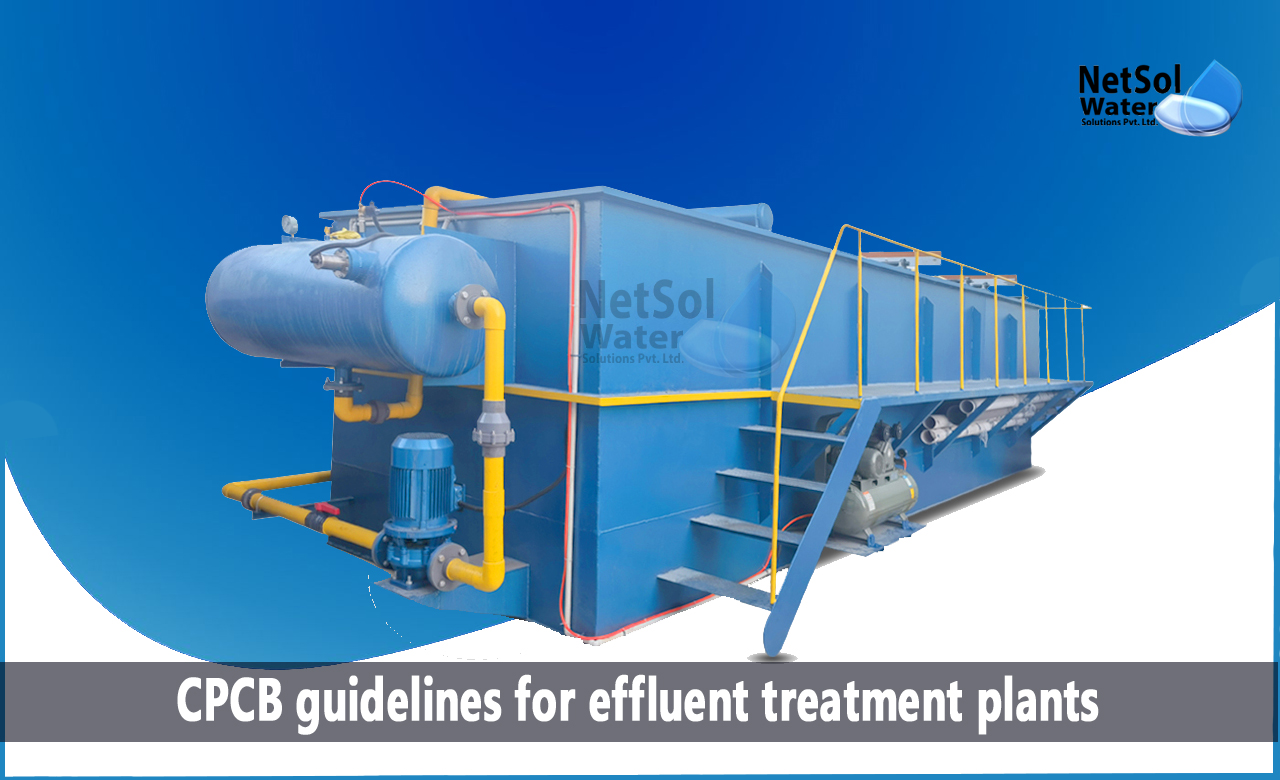
New CPCB Guidelines for Effluent Treatment in 2026
Industrial wastewater that is discharged without treatment can cause harm to rivers, lakes, groundwater and the environment. The Central Pollution Control Board (CPCB) has laid down standards for the treatment of industrial effluents before discharge or re-use, to minimize pollution and encourage responsible management of water.
In 2026, there will be a greater emphasis on industry's use of efficient wastewater treatment, regular monitoring, water re-use, and adherence to discharge standards. Complying with the CPCB guidelines not only helps businesses meet legal obligations but also enhances their environmental performance and contributes to sustainable business operations.
Why is the CPCB guidelines important?
The CPCB establishes the standards for treatment of waste water to prevent pollution in the environment due to industries.
The following are guidelines that assist industries:
. Reduce water pollution
. Conserve natural water resources
. Improve water conservation
. Meet environmental regulations
. Encourage sustainable industrial development
Adhering to these guidelines also helps industries stay out of trouble with the law and running a smooth business.
Key CPCB Compliance Requirements in 2026
. Proper Effluent Treatment Prior to Discharge
All industries that produce wastewater must treat it before discharging it into drains, rivers or other water bodies.
An Efficient Effluent Treatment Plant (ETP) is designed to achieve two main objectives: removal of pollutants, suspended solids, oils, chemicals and other contaminants to ensure that the treated water complies with the prescribed standards to discharge.
. Meeting Discharge Standards
Industries must keep the water treated at required intervals in the range provided by CPCB and the respective State Pollution Control Boards (SPCBs).
Some of the important parameters that are generally monitored are:
| Parameter | Description |
|---|---|
| pH | Acidity/alkalinity level of the treated water |
| Biochemical Oxygen Demand (BOD) | Amount of oxygen required by microorganisms to break down organic matter |
| Chemical Oxygen Demand (COD) | Amount of oxygen required to chemically oxidize pollutants in the water |
| Total Suspended Solids (TSS) | Indicator of the suspended sediment load carried in the water |
| Oil and Grease | Presence of oils and greases in the discharged water |
| Heavy Metals | Presence of heavy metal contaminants (if applicable) |
These limits vary by industry and the discharge point of the treated water. The general CPCB standards for discharge into inland surface water are given below:
| Parameter | Unit | Standard Limit (Inland Surface Water) |
|---|---|---|
| pH | - | 5.5 - 9.0 |
| BOD (3 days at 27°C) | mg/l | 30 (Max.) |
| COD | mg/l | 250 (Max.) |
| TSS | mg/l | 100 (Max.) |
| Oil and Grease | mg/l | 10 (Max.) |
| Ammoniacal Nitrogen (as N) | mg/l | 50 (Max.) |
| Hexavalent Chromium (as Cr+6) | mg/l | 0.1 (Max.) |
| Lead (as Pb) | mg/l | 0.1 (Max.) |
| Mercury (as Hg) | mg/l | 0.01 (Max.) |
. Regular Water Quality Monitoring
Wastewater should be tested on a regular basis before and after treatment to help assure that the ETP is working as intended.
Regular monitoring allows detection of operational problems early, and maintains constant compliance with environmental requirements.
. Enhanced attention given to water re-use
CPCB is still promoting industries to use recycled water wherever feasible.
Treated water is now used for many industries for cooling towers, equipment washing, gardening, floor washing and other non potable uses. This helps to minimize fresh water, promote sustainable use of water.
. Proper Sludge Management
The treatment of wastewater creates sludge which needs to be disposed of safely.
To avoid secondary pollution, industries are supposed to collect, store, transport and dispose of sludge in compliance with the environmental regulations.
. Digital Monitoring and Record Keeping
Industries are increasingly using digital monitoring systems to capture the water quality, plant performance and wastewater discharge data.
Good record keeping during the inspection and showing that compliance with CPCB and SPCB requirements.
How industries can maintain compliance?
. Maintain the ETP Regularly
Consistent treatment performance and efficient operation of pumps, blowers, filters and other equipment is maintained through routine maintenance.
. Regularly check water quality
Routine tests enable treated water to be discharged in compliance with the specified standards, and rapid corrective action if necessary.
. Improve older treatment systems
The needs for treatment may not be met by older ETPs. Modernization of equipment and automation can increase treatment efficiency and minimize operating expenses.
. Train Plant Operators
Properly trained operators can detect issues promptly, keep the treatment process efficient and to ensure a smooth functioning of the ETP.
. Maintain Compliance Documents
Industries should maintain a record of the water quality reports, maintenance tasks, lab test results and regulatory approvals for future inspections.
Benefits of Following CPCB Guidelines
. Better Environmental Protection
Effective wastewater treatment helps to minimise pollution and safeguard water in rivers, lakes and groundwater.
. Easier Regulatory Compliance
Audits and inspections are better prepared for industries following CPCB guidelines.
. Improved Water Conservation
Reuse of treated wastewater is a method in which the treated wastewater is used for more than once, thus reducing freshwater consumption and contributing to sustainable water management.
. Reduced risk of penalties
Conformance minimises the risk of legal proceedings, penalties and work disruption.
. Stronger Business Reputation
Wastewater management firms that run the water responsibly gain customer, investor and regulatory body trust.
Conclusion
CPCB guidelines are still supporting industries to enhance their wastewater treatment, minimize pollution and water conservation. The priority areas for 2026 are to continue to have efficient Effluent Treatment Plants, regular monitoring of water quality, responsible management of sludge and to improve reuse of treated wastewater.
Businesses can enhance their environmental footprint, stay compliant with regulations, and contribute to sustainable growth by adopting modern ETP systems and adhering to CPCB guidelines. This is not just the law, but a good step towards good water management for industry.
Do you need an advice or assistance on selecting the best water and waste water treatment unit? We have solutions for all your problems!
Let us know your problem, our experts will make sure that it goes away.
For an assistance or related query,
Call on +91-9650608473 Or write us at enquiry@netsolwater.com