

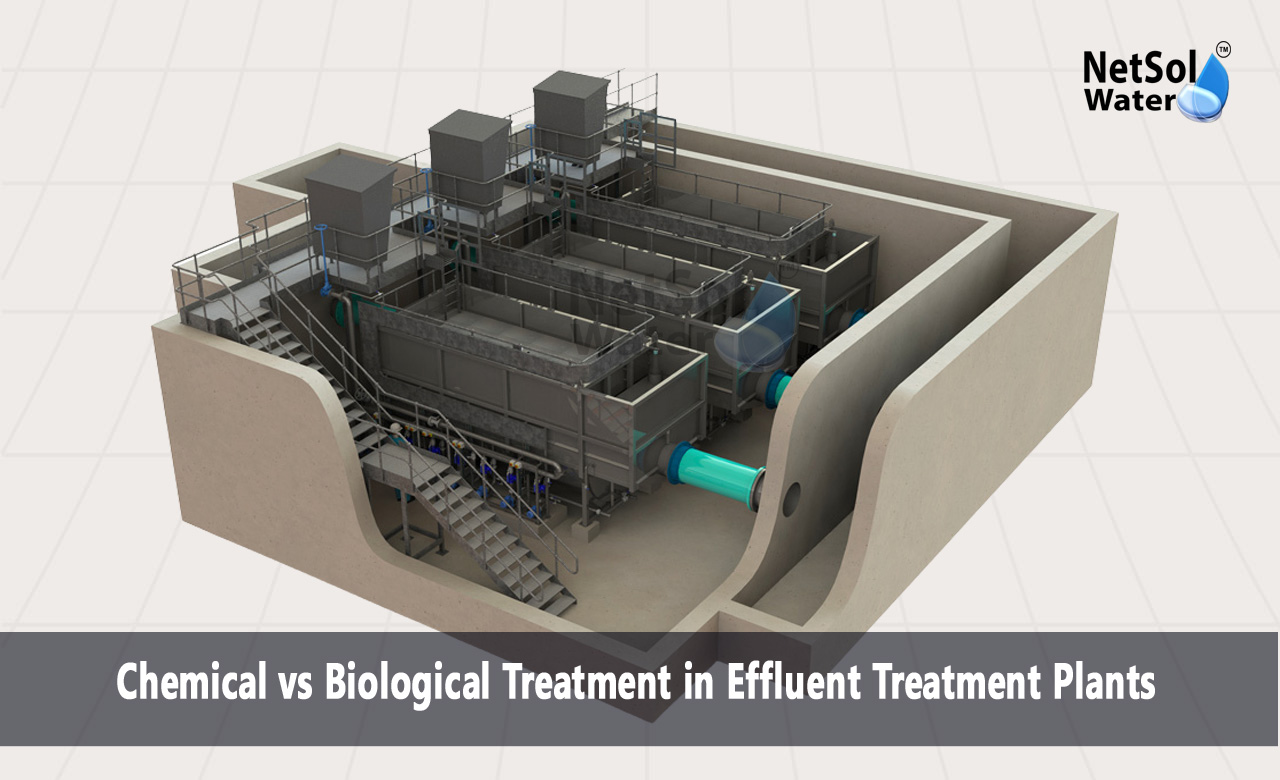
Chemical vs. Biological Treatment in Effluent Treatment Plants
Effluent treatment plants use different methods to clean wastewater. The two main approaches involve chemical treatment and biological treatment processes. Each method offers unique advantages and serves specific purposes in water treatment. Understanding these differences helps industries choose the best approach for their needs.
Chemical treatment uses various compounds to remove pollutants from water. These chemicals react with contaminants to make them easier to remove. The process works quickly and handles many types of industrial waste. Biological treatment uses living organisms to break down pollutants. These natural processes turn harmful substances into harmless materials. The method proves effective for organic waste treatment.
The choice between chemical and biological treatment affects many aspects of plant operation. It impacts treatment effectiveness operating costs and environmental impact. Some plants combine both methods to achieve better results. This combination approach often provides the most complete treatment solution.
We will explores the differences between chemical and biological treatment in effluent treatment plant. We'll examine how each method works its benefits and limitations. This information will help you understand which approach suits your treatment needs best.
Understanding Chemical Treatment Methods
Chemical treatment forms an important part of wastewater processing. It removes pollutants through chemical reactions and physical processes. The method works well for many industrial applications. Chemical processes often treat waste that biological methods cannot handle.Let us explore the main aspects of chemical treatment:
Primary Chemical Processes
Chemical treatment starts with adding specific compounds to wastewater. These chemicals cause reactions that change pollutant properties. The changes make contaminants easier to remove from water.
Coagulation begins the process. Chemicals make small particles clump together. These larger clumps settle faster in water. Flocculation follows coagulation. It creates bigger flocks that separate easily from clean water.
pH Adjustment and Neutralization
Many industrial wastes need pH adjustment. Chemical treatment corrects acidic or alkaline conditions. This makes water safe for release or further treatment.
The process uses acids or bases as needed. Automatic systems monitor and adjust pH levels. Proper pH helps other treatment steps work better. It also protects equipment from damage.
Chemical Precipitation
This process removes dissolved metals and other substances. Chemicals make pollutants form solid particles. These particles then settle out of the water.
Different chemicals target specific pollutants. The process removes heavy metals effectively. It also works for phosphates and other dissolved materials.
Biological Treatment Systems
Biological treatment uses nature's own cleaning processes. Microorganisms break down organic pollutants in water. These systems need specific conditions to work well. They clean water while producing less chemical waste.Let us examine how biological treatment works:
Aerobic Treatment
Aerobic treatment needs oxygen to work. Bacteria use this oxygen to break down waste. The process creates very little odour or harmful byproducts.Air pumps supply oxygen to treatment tanks. Bacteria grow and multiply naturally. They consume organic waste as food. This produces clean water and more bacteria.
Anaerobic Treatment
Some wastes need treatment without oxygen. Anaerobic bacteria handle this job. They work well for high-strength organic waste.These systems need sealed tanks. The bacteria produce biogas while cleaning water. This gas can generate power for the treatment plant. The process handles strong waste effectively.
Mixed Culture Systems
Many plants use different types of bacteria together. This approach handles various waste types at once. It makes treatment more flexible and effective.The bacteria work at different treatment stages. Each type handles specific pollutants. This creates very thorough waste treatment.
Comparing Performance and Applications
Both treatment methods have strengths and limitations. The best choice depends on waste type and treatment goals. Many plants combine methods for better results.Let us look at key comparison points:
Treatment Speed
Chemical treatment works faster than biological methods. It removes pollutants in hours instead of days. This speed helps handle sudden waste increases.
Biological systems need time to adjust to changes. The bacteria must grow and adapt. However they work continuously once established.
Operating Costs
Chemical treatment needs ongoing chemical purchases. These supplies increase operating costs. Storage and handling also add expenses.
Biological treatment has lower material costs. It needs mainly power for air pumps. However it requires careful monitoring and control.
Environmental Impact
Chemical treatment creates chemical sludge as waste. This sludge needs special handling. It often goes to hazardous waste facilities.
Biological treatment produces natural sludge. This waste can become fertilizer. The process creates fewer environmental concerns.
Energy Usage
Chemical systems often use less energy. They need power mainly for mixing and pumping. The chemical reactions happen naturally.
Biological treatment needs constant aeration. This uses more electricity. However some systems produce biogas for power.
Conclusion:
Understanding chemical and biological treatment helps you make better choices. Each method offers specific benefits for different situations. Contact wastewater treatment experts at Netsol Water to evaluate your needs. They will help you select the most effective treatment approach.
To explore customised commercial RO plants, Industrial RO plants, ETP or STP solutions for your needs in your areas and nearby regions, Contact Netsol Water at:
Phone: +91-965-060-8473, Email: enquiry@netsolwater.com